 Follow
GI
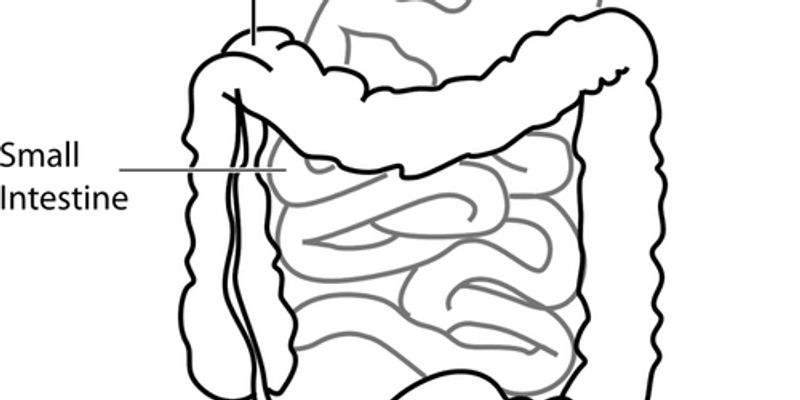
GI is an acronym for gastro-intestinal, referring to anatomy of the digestive track leading from the mouth to the anus and includes the esophogus, stomach, small intestine, and large intestine.


FEB 22, 2017 | 9:00 AM

Gastrointestinal (GI) disorders are now widely recognized as a clinical symptom of autism spectrum disorder (ASD), and research into the microbiome-gut-brain axis is beginning to reveal the i...
AUG 30, 2016 | 8:00 AM

The human enteric nervous system (ENS) is derived from the neural crest and represents a complex network of ~500 million neurons with dozens of distinct neurotransmitter and hormone subtypes ...
AUG 21, 2014 | 2:30 PM

Rare disorder analysis has been facilitated by the declining cost of sequencing. Despite numerous success stories the underlying cause remains unexplained in >50% cases, emphasizing the ne...

FEB 19, 2014 | 10:00 AM

Making precision cancer care a future reality requires novel approachesto finding treatment targets in cancers. Single-gene assays currently performed in clinical research laboratories are in...
AUG 21, 2014 | 2:30 PM
Rare disorder analysis has been facilitated by the declining cost of sequencing. Despite numerous success stories the underlying cause remains unexplained in >50% cases, emphasizing the ne...