Our webinars allow users to learn from experts and earn continuing education credits on industry topics, progress in research, services available, and more.
Embarking on the journey of LIMS data migration, whether it's transitioning to a new LIMS or upgrading to a more advanced version, may initially appear as a straightforward task. However...
Learning Objevtives: 1. Demonstrate Knowledge with gene editing, microfluidics and non-viral delivery methods. 2. Review the uses of a low-volume high-throughput transfection platform for ge...
Laboratories use the same laboratory equipment they invested in for COVID testing to perform PGx testing. With COVID testing reimbursement dropping, many laboratorians are considering implem...
The practice of diagnostic pathology has gone through a disruptive transformation in which multiple tools such as digital imaging, advanced artificial intelligence algorithms, and computer-a...
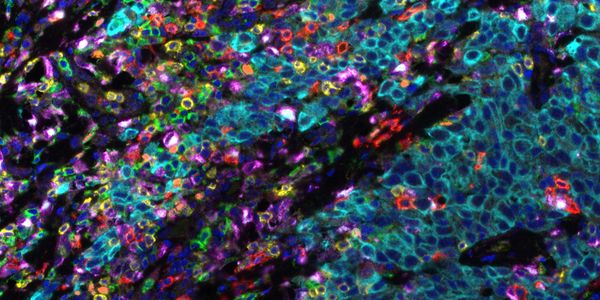
Our presenter Jonathan Nowak, will discuss representative multiplexed assays for protein and RNA profiling built in the lab and discuss the necessary elements to operationalize this type of...
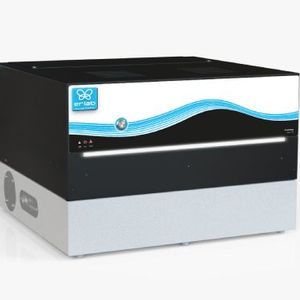
In this webinar, we will briefly introduce Vizgen’s Vizgen® MERSCOPE® Platform for spatial transcriptomics. Following this introduction, we will showcase the capabilities of ME...
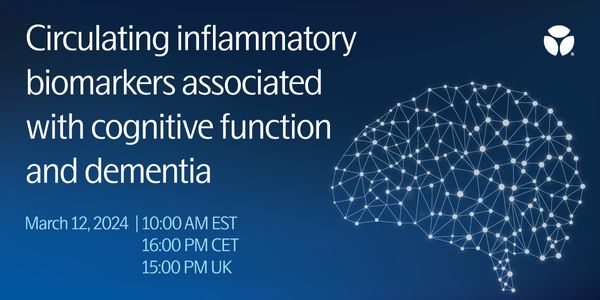
Inflammation is associated with cognitive decline and the pathogenesis of Alzheimer's disease, although exact pathways remain elusive. To further explore the role of inflammation, we uti...
How do we gain a comprehensive understanding of the mechanisms underlying complex behaviors occurring in complex and dynamic environments? Almost any answer to this question involves a multi...
Brian Uzzi presents two studies on innovation in science. Study one examines conditions favoring the generation of innovative, high impact ideas and study two examines the conditions that ef...
The rapid growth of technologies capable of comprehensively collecting, managing, and allowing us to gain an in-depth picture of the brain, nervous system, and behavior across diverse spatia...
Learning Objectives: 1. Describe language disturbances in schizophrenia and its risk states. 2. Describe face expression disturbances in schizophrenia and its risk states. 3. Describe ethica...
The nervous system of social species has evolved to perceive and evaluate signals within a social context. Social information therefore must impact how the brain processes information, yet l...
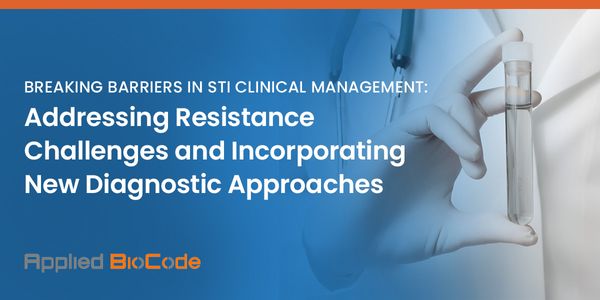
Join us for a thought-provoking webinar titled, "Breaking Barriers in STI Clinical Management: Addressing Resistance Challenges and Incorporating New Diagnostic Approaches," featur...
Parkinson’s disease (PD) belongs the group of synucleinopathies characterized by progressive aggregation of the neuronal protein alpha-synuclein (asyn). Diagnosis and evidence of disea...
Learning Objectives: 1. Review the basic principle of 3D microscopy. 2. Recognize the pathophysiology of Parkinson disease. 3. Demonstrate knowledge on how alpha-synuclein aggregates spread...
The advancement in ultra-sensitive immunoassays and highly specific immunoprecipitation mass spectrometry (IPMS) methods, complimented by an increasing number of well-characterised research...
Recent advances in gene editing has allowed the generation of advanced rodent research models, mimicking some aspects of human conditions. For neurodegenerative disorders such as Alzheimer&r...
Drug discovery programs require a robust panel of models and assays to identify and validate drug targets, support compound optimisation, and run mechanistic studies. Fully human in vitro mo...
DBS for obsessive-compulsive disorder (OCD) achieves clinical benefit in 66% of treatment-resistant patients. However, there is still a lack of a fundamental understanding of the neurophysio...
Protein misfolding and aggregation are key features observed in numerous neurodegenerative conditions, such as Alzheimer's and Parkinson's disease. The oligomers formed during the ag...

 Embarking on the journey of LIMS data migration, whether it's transitioning to a new LIMS or upgrading to a more advanced version, may initially appear as a straightforward task. However...