Mortality is a quantification of death, often referring to deaths attributing to a specific cause such as a disease or illness. Epidemiological studies often report mortality rates which are calculated by dividing the number of deaths due to a disease by the total population.
This presentation will focus on the near- and medium-term future of COVID. COVID will become endemic, but what does this really mean? How will COVID affect longevity in the United States? Wh...
An overview of NIDA’s current medications pipeline for the treatment of opioid use disorder (OUD) is presented. OUD and its consequences are a major public health concern with a devast...
Learning objectives: 1. Define critical components of a comprehensive approach to statewide OUD treatment program. 2. Identify ongoing challenges with care delivery for OUD treatment. 3. Exp...
Most hospital systems have implemented opioid-related stewardship programs. That is an important first step. This talk will take that work to the next level, describing four advanced concept...
The risk of mortality from COVID-19 follows a sharp age gradient, with older populations facing a thousand fold higher risk of death upon infection than children. At the same time, the COVID...
Severe SARS-CoV-2 infection often leads to development of acute respiratory distress syndrome (ARDS), with profound pulmonary patho-histological changes post-mortem. In this study, we utiliz...
We use COVID-19 cases, hospitalizations, and mortality data and a deterministic SEIR (susceptible, exposed, infectious and recovered) compartmental framework to model possible trajectories o...
Data suggests that genetics comprises 42-58% of the prostate cancer risk. GWAS has found about 43% of the risk SNPs in Blacks and European Americans. Most of the SNPs that have been discover...
African American women face a lower risk of being diagnosed with breast cancer as compared to Caucasian-American women, yet they paradoxically face an increased breast cancer mortality hazar...
Date: Spetember 14, 2021 Time: 9:00am (PDT), 12:00pm (EDT) Pneumonia remains a major cause of morbidity and mortality. The use of broad-spectrum antibiotics is associated with the developmen...
Date: September 13, 2021 Time: 10:00am (PDT), 1:00pm (EDT) Sepsis is the most common cause of mortality in many hospitals and is most often caused by blood stream infections. The major contr...
Saliva serves as a reservoir for the upper aerodigestive tract (UADT). Saliva collection is non-invasive, convenient, and amenable to self-collection. Thus, saliva is an ideal resource for l...
Microbes are recently recognized as driving the energy and nutrient transformations that fuel Earth’s ecosystems in soils, oceans and humans. Where studied, viruses appear to modulate...
Date: August 24, 2021 Time: 8:00am (PST), 11:00am (EST) Liver cancer is the third cause of cancer-related mortality worldwide. Most patients have chronic liver disease, which has allowed...
Date: July 20, 2021 Time: 8:00am (PDT), 11:00am (EDT) The FDA released their guidance, Bacterial Risk Control Strategies for Blood Collection Establishments and Transfusion Services to Enhan...
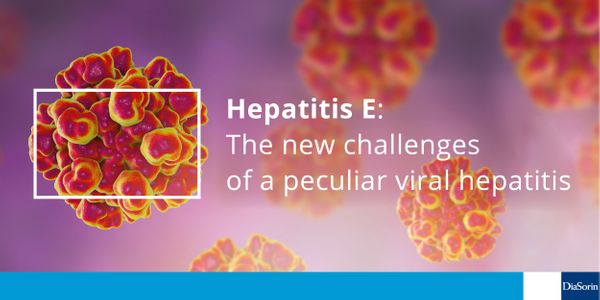
DATE: June 03, 2021 TIME: 6:00am PDT HEV, with over 3 million clinical cases, 70,000 deaths, and 3,000 stillbirths, mostly in Asia and Africa, causing 3.3% of all deaths from viral hepatitis...
Every day in America nearly seven thousand people die. That’s about two and a half million deaths per year. When a death is violent, unexpected, medically unattended, or suspicious &nd...
Date: April 28, 2021 Time: 7:00am (PDT), 10:00am (EDT) The varied clinical manifestations and outcomes in patients with SARS-CoV-2 infections implicate a role of host-genetics in the predisp...
According to the American Cancer Society, in there were an estimated 110,070 new cases diagnosed and approximately 32,120 deaths from gynecologic cancers in the U.S. in 2018. Of the five mos...
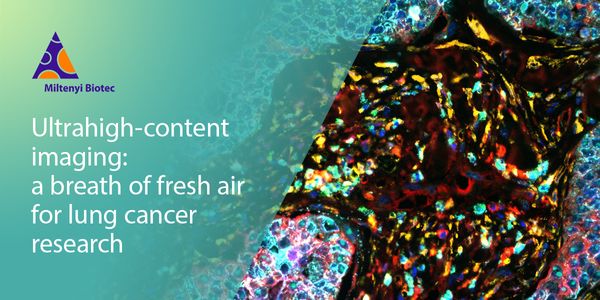
Date: March 09, 2021 Time: 8:00am (PST), 11:00am (EST) Lung cancer is one of the three most common types of cancer. Representing 85% of all lung cancers...
Date: February 9, 2020 Time: 9:00am (PST), 12:00pm (EST) 90% of breast cancer mortality is caused by distant metastasis, a process that involves both dissemination of cancer cells to distant...
Patient laboratory test results are significantly over-represented in electronic medical records, but significantly under-utilized in research. An important application of laboratory data is...
Date: November 9th, 2020 Time: 10:00am PDT SARS-CoV-2 continues to spread rapidly with critically ill patients admitted to the intensive care unit (ICU), where the mortality rate is reported...
As one of the few evidence-based treatments shown to decrease mortality, buprenorphine use has grown in the United States and abroad. Buprenorphine is a first line option for opioid use diso...
This presentation will focus on the near- and medium-term future of COVID. COVID will become endemic, but what does this really mean? How will COVID affect longevity in the United States? Wh...
An overview of NIDA’s current medications pipeline for the treatment of opioid use disorder (OUD) is presented. OUD and its consequences are a major public health concern with a devast...
Learning objectives: 1. Define critical components of a comprehensive approach to statewide OUD treatment program. 2. Identify ongoing challenges with care delivery for OUD treatment. 3. Exp...
Most hospital systems have implemented opioid-related stewardship programs. That is an important first step. This talk will take that work to the next level, describing four advanced concept...
The risk of mortality from COVID-19 follows a sharp age gradient, with older populations facing a thousand fold higher risk of death upon infection than children. At the same time, the COVID...
Severe SARS-CoV-2 infection often leads to development of acute respiratory distress syndrome (ARDS), with profound pulmonary patho-histological changes post-mortem. In this study, we utiliz...
We use COVID-19 cases, hospitalizations, and mortality data and a deterministic SEIR (susceptible, exposed, infectious and recovered) compartmental framework to model possible trajectories o...
Data suggests that genetics comprises 42-58% of the prostate cancer risk. GWAS has found about 43% of the risk SNPs in Blacks and European Americans. Most of the SNPs that have been discover...
African American women face a lower risk of being diagnosed with breast cancer as compared to Caucasian-American women, yet they paradoxically face an increased breast cancer mortality hazar...
Date: Spetember 14, 2021 Time: 9:00am (PDT), 12:00pm (EDT) Pneumonia remains a major cause of morbidity and mortality. The use of broad-spectrum antibiotics is associated with the developmen...
Date: September 13, 2021 Time: 10:00am (PDT), 1:00pm (EDT) Sepsis is the most common cause of mortality in many hospitals and is most often caused by blood stream infections. The major contr...
Saliva serves as a reservoir for the upper aerodigestive tract (UADT). Saliva collection is non-invasive, convenient, and amenable to self-collection. Thus, saliva is an ideal resource for l...
Microbes are recently recognized as driving the energy and nutrient transformations that fuel Earth’s ecosystems in soils, oceans and humans. Where studied, viruses appear to modulate...
Date: August 24, 2021 Time: 8:00am (PST), 11:00am (EST) Liver cancer is the third cause of cancer-related mortality worldwide. Most patients have chronic liver disease, which has allowed...
Date: July 20, 2021 Time: 8:00am (PDT), 11:00am (EDT) The FDA released their guidance, Bacterial Risk Control Strategies for Blood Collection Establishments and Transfusion Services to Enhan...
DATE: June 03, 2021 TIME: 6:00am PDT HEV, with over 3 million clinical cases, 70,000 deaths, and 3,000 stillbirths, mostly in Asia and Africa, causing 3.3% of all deaths from viral hepatitis...
Every day in America nearly seven thousand people die. That’s about two and a half million deaths per year. When a death is violent, unexpected, medically unattended, or suspicious &nd...
Date: April 28, 2021 Time: 7:00am (PDT), 10:00am (EDT) The varied clinical manifestations and outcomes in patients with SARS-CoV-2 infections implicate a role of host-genetics in the predisp...
According to the American Cancer Society, in there were an estimated 110,070 new cases diagnosed and approximately 32,120 deaths from gynecologic cancers in the U.S. in 2018. Of the five mos...
Date: March 09, 2021 Time: 8:00am (PST), 11:00am (EST) Lung cancer is one of the three most common types of cancer. Representing 85% of all lung cancers...
Date: February 9, 2020 Time: 9:00am (PST), 12:00pm (EST) 90% of breast cancer mortality is caused by distant metastasis, a process that involves both dissemination of cancer cells to distant...
Patient laboratory test results are significantly over-represented in electronic medical records, but significantly under-utilized in research. An important application of laboratory data is...
Date: November 9th, 2020 Time: 10:00am PDT SARS-CoV-2 continues to spread rapidly with critically ill patients admitted to the intensive care unit (ICU), where the mortality rate is reported...
As one of the few evidence-based treatments shown to decrease mortality, buprenorphine use has grown in the United States and abroad. Buprenorphine is a first line option for opioid use diso...
Opens in a new windowOpens an external siteOpens an external site in a new window

 Follow