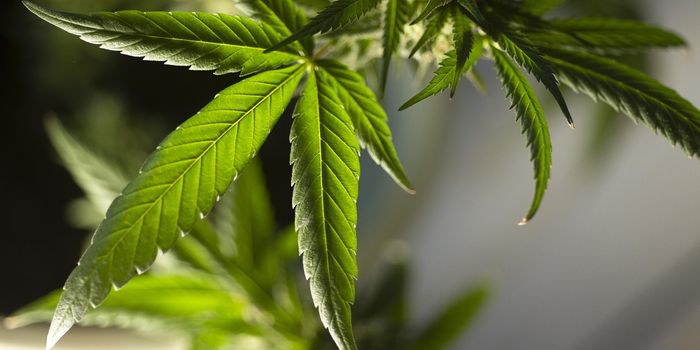
A study published in the Journal of Cannabis Research examined the effects of precision water stress (also known as crop steering) on cannabis plant development. The findings suggested that using osmotic stress can potentially regulate cannabis plant size and enhance crop quality without reducing yield.
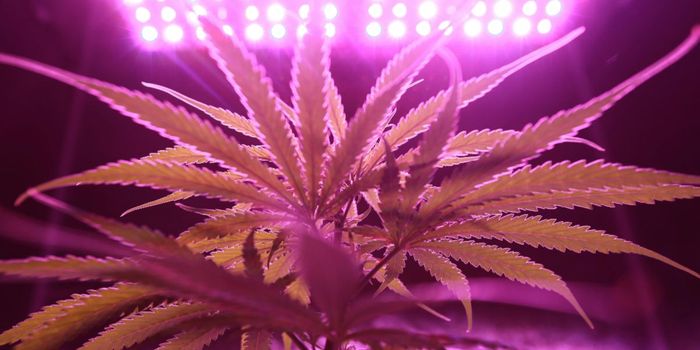
The researchers examined the effects of elevated salinity on two cannabis strains or cultivars known as Cherry and Trump. The Trump cultivar has thicker, rigid stems, while the Cherry has thinner, more pliant stems. The research team propagated cuttings in small stone wool blocks and later transplanted them into larger stone wool blocks (15 × 15 cm). The researchers placed the plants in a growth chamber for one week and utilized an 18-hour photoperiod. For the next eight weeks leading up to harvest time, the plants underwent a 12-hour photoperiod. The team adjusted the LED lighting on a weekly basis to maintain a constant photosynthetic photon flux density (PPFD) at 1000 micromole (µmol). The researchers pruned the plants to five nodes after four weeks of root development.
The findings showed that plant height was reduced by 15% in both the high and hybrid treatments. The research team noted that flower yield decreased by 20% in Trump in the hybrid treatment, but they did not observe a statistically significant yield decrease in the high-salinity treatment. The Cherry flower yield declined by roughly 20% in both the constant high salinity and hybrid treatments.
The researchers did not note a significant difference in cannabinoid concentrations among treatments in either cultivar. The difference in cannabidiol (CBD) concentration was less than 1% and less than 0.1% in tetrahydrocannabinol (THC) concentration among treatments. The findings also revealed that the CBD/THC ratio was not significantly different among treatments in either cultivar.
Overall, the study points to the cannabis plant’s high osmotic stress tolerance. Since each cultivar’s response varies, additional research should investigate how crop steering methods for specific cultivars can reduce the plant size without decreasing crop yield.
Source: Journal of Cannabis Research