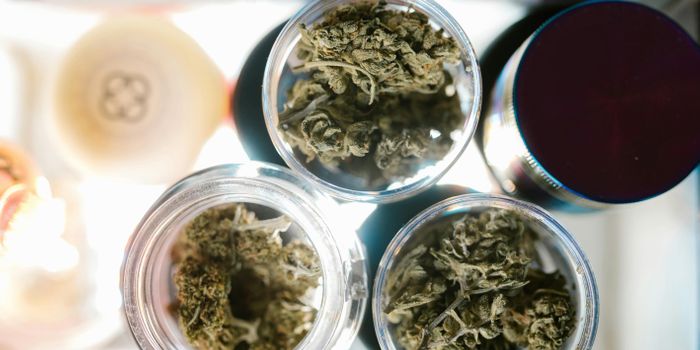
 A new study found that more adolescents seeking help for a psychiatric emergency in Massachusetts were using cannabis following the substance’s commercialization. The corresponding study was published in the American Journal of Preventive Medicine.
“Our study’s findings suggest that the greater accessibility, social acceptability, and advertising that comes with cannabis commercialization may negatively affect adolescents with psychiatric illnesses more than the general adolescent population or adults with psychiatric illnesses,” said corresponding author of the study, Cheryl Yunn Shee Foo, PhD, a clinical psychologist in the Mass General Brigham Department of Psychiatry in a press release.
She added that the findings suggest that those below the legal buying age could still access cannabis, perhaps through adults, poorly regulated online dispensaries, social media platforms, or other routes.
For the study, researchers examined electronic health records from 7, 350 psychiatric emergency visits in Massachusetts. They compared data from 2017- 2019, before and after the sale of recreational cannabis became legal in November 2018. Patients included in the study were aged between 12 and 70 years old. Cannabis use was determined via urine testing for tetrahydrocannabidiol (THC) while cannabis-related disorders were identified via diagnosis codes.
Ultimately, the researchers found that adolescents experienced a larger increase in positive THC tests after commercialization than any other age group, rising from 5% to 17.3%. Adults aged between 26 and 49 years old experienced a relatively modest increase of 37.7% to 42.5%. Only adolescents, however, experienced a significant increase in cannabis-related disorders, increasing from 3.2% to 12.1%.
The findings suggest that commercialization of recreational cannabis sales may disproportionally affect adolescents with psychiatric illnesses or vulnerabilities, wrote the researchers in their study.
“We’re seeing missed opportunities for education and prevention. Further research is needed to examine the impact of cannabis policies on youth with psychiatric illnesses to inform targeted prevention efforts,” said Foo.
Sources: EurekAlert, American Journal of Preventive Medicine