The immune system is made of various cell types that take on critical roles to fight off foreign pathogens. These subsets of cells make up two distinct barriers of immunity, including innate and adaptive immunity. The innate immune system addresses initial pathogen exposure by targeting a wide range of diseases. The adaptive immune response is more specific and has heightened abilities to terminate infected cells. Adaptive immune cells, such as T and B cells generate a strong immune response that clears infections. Interestingly, small subsets are created to ‘remember’ the pathogen if the body comes into contact with it in the future. These populations are categorized as ‘memory’ cells and can respond to the same infection much faster a second time.
As we age, our health declines due to a reduction in immune function. Consequently, our bodies become immune-deficient, and we are more susceptible to disease. Scientists and physicians are working on ways to improve aged immune systems and improve therapy by boosting immune health.
A recent article in Nature, by Dr. Feng Zhang and others, found a way to rejuvenate immune cells and improve therapeutic efficacy in aged adults. Specifically, they have demonstrated that stimulating the liver produces signals that reverse aging effects in T cell populations. Zhang is the James and Patricia Poitras Professor of Neuroscience and Professor of Brain and Cognitive Sciences and Biological Engineering at Massachusetts Institute of Technology (MIT). His work is focused on the biological diversity of immunity and integrating bioengineering techniques to improve medicine.
Zhang and his group found that reprogramming T cells in the liver can compensate and improve age-related decline of T cells in the thymus. The team used genetic material known as messenger ribonucleic acid (mRNA) to express three proteins that promote T cell function. Consequently, aged mice that received this mRNA were found to have a diverse T cell population in response to vaccine and improved immune response in combination with immunotherapy. Researchers hope this could be a method to treat patients as they age to avoid immune system decline.
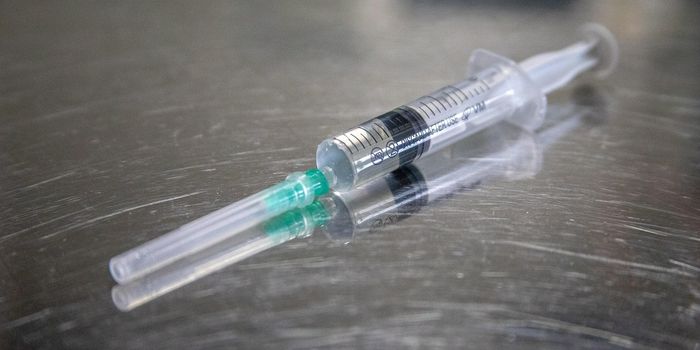
T cells travel to the thymus to differentiate and mature into specific subsets. Additionally, the thymus secretes proteins and molecules to improve T cell function and survival. However, over time, the thymus shrinks. As a result, production of new T cells declines and eventually stops. Zhang and his group are engineering the body to compensate for the loss of thymic function. Researchers used the liver as the new location to secrete similar thymic proteins since the blood, that contain T cells, passes through it. The three proteins encoded in the mRNA used to rejuvenate T cells includes DLL1, FLT-3, and IL-7. All these proteins help mature T cells. The mRNA was delivered by injection into the bloodstream, which then accumulated into the liver that started to generate the proteins.
Researchers found that multiple injections of mRNA were necessary to maintain steady production of mature T cell-promoting proteins. After treatment mice were able to increase T cell response after vaccination and improved therapeutic efficacy with combination treatments. The team hopes to test this in more animal models, identify other proteins that could further improve immune function, and see the effect of the mRNA on other cells. Altogether, Zhang and his team aim to bring this therapy to the clinic and enhance immune response in older patients.
Article, Nature, Feng Zhang, MIT