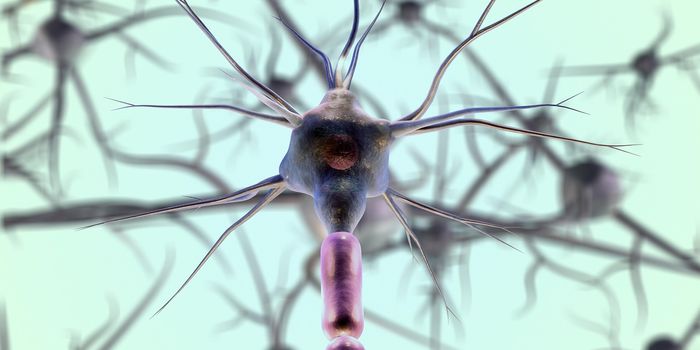
Multiple sclerosis (MS) is a chronic autoimmune disease in which the immune system attacks the body’s nerves. Immune cells will breakdown the myelin sheath around the nerve fibers that help transport signals from the body to the brain. As a result, nerve signals are disrupted and patients with MS experience numbness, weakness, vision issues, coordination problems, fatigue, and cognitive impairments. Currently, about 2.8 million people worldwide are affected by MS with higher prevalence in younger women from Western countries. Key risk factors include genetic traits, obesity, and smoking. Roughly 75% of patients experience cognitive impairment, such as forgetfulness, bad judgment, and difficulty rationalizing.
Unfortunately, there is no cure for MS. Many physicians work to diagnosis patients early and get them on long-term Disease-Modifying Therapies (DMTs). These treatments work to slow down MS progression and manage symptoms. Treatments include steroids, physical therapy, lifestyle changes, and other medications to regulate spasms, fatigue, pain, and trouble walking. While physicians are employing these treatment methods, scientists are working to enhance therapy and detect MS sooner.
A recent article in Nature Immunology, by Dr. Valeria Ramaglia and others, reported a novel biomarker for MS, which can predict therapeutic outcomes. This discovery builds off the concept of personalized medicine and how each patient benefits from an individualized treatment plan. Ramaglia is an Assistant Professor at the University of Toronto in the Department of Immunology. Her research focuses on neuroimmunology, neurodegeneration, and biomarker discovery. Specifically, Ramaglia and her group work to understand how the immune system responds to neurodegenerative diseases.
Ramaglia and others used mouse models and human data to identify a biomarker that indicates a patient has ‘compartmentalized inflammation’. This type of inflammation takes place in the central nervous system and sometimes accompanies MS. The article outlines a representative model of progressive MS pathology, which until this report, was unknown in the field. Researchers used this model to study compartmentalized inflammation within the brain. Scientists found that the ratio of two proteins, CXCL13 and BAFF could be used as a biomarker for MS inflammation.
Ramaglia and others used this biomarker ratio in human samples and found that increased CXCL13-BAFF ratio correlated with higher compartmentalized inflammation in the brain. When they treated mice with Bruton’s tyrosine kinase (BTK) inhibitors – a common MS treatment – the CXCL13-BAFF ratio went down to healthy levels. Although, BTK inhibitors have provided mixed outcomes in clinical trials, Ramaglia suggests it is patient dependent. Patients with compartmentalized inflammation are expected to benefit from BTK inhibitors compared to others. Researchers hope that by identifying patients with compartmentalized inflammation using the reported CXCL13-BAFF ratio, patient outcomes will improve.
In the future, the group hopes to study these protein levels in patients with early onset disease to determine who might develop progressive MS. This work helps better predict therapeutic outcomes and provides insight into characteristics of MS that can improve the patient selection process for treatments. Overall, this is a ground-breaking discovery in the field of MS that has the potential to enhance treatment efficacy.
Article, Nature Immunology, Valeria Ramaglia, University of Toronto