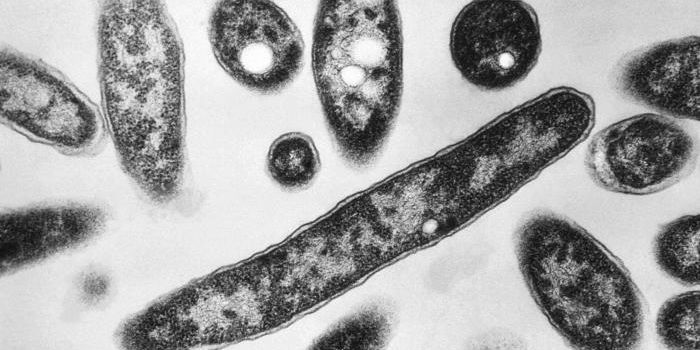
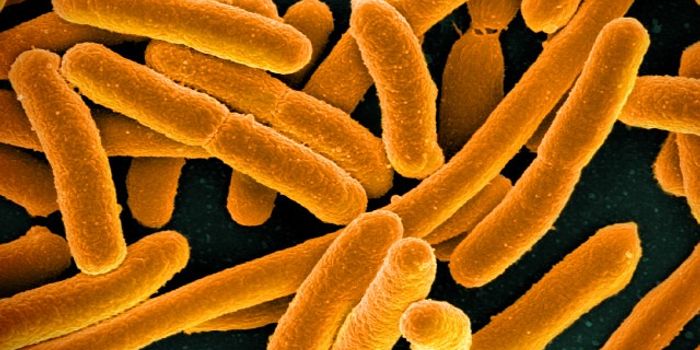
There are huge communities of gut bacteria living in and on our bodies, and they can have a profound effect on us. New research has shown that gut bacteria help decide if an amino acid that we consume in our diet can be used to feed the growth of tumors, or trigger anti-cancer immune activity. This works adds to mounting evidence that gut microbes can influence the development of cancer and the effectiveness of cancer treatments. This work may also help scientists eventually create preventive or therapeutic strategies that use the gut microbiome to stop cancer. The findings have been reported in Cell Host & Microbe.
"Our study suggests that we need to think about how the interplay of diet, gut microbiota, and tumor-infiltrating immune cells could affect cancer growth and response to therapy. We can't overlook this key level regulation," noted co-corresponding author Dr. Chunjun (CJ) Guo, an associate professor of immunology at Weill Cornell.
Asparagine is an amino acid that is used to make proteins, like other amino acids, and it can also promote cell survival. In the tumor microenvironment, there are few nutrients, and asparagine can be a crucial substance. Asparagine is also required by immune cells called CD8+ T cells that attack cancer.
This study began with a mouse model that was used to show that certain human gut microbes can lower the levels of specific amino acids, and influence the growth of tumors. A common gut microbe called Bacteroides ovatus that consumes asparagine could reduce asparagine levels in the gut, causing less to be absorbed into the body, so tumors had access to less of it. When this same gut microbe was genetically altered so it did not consume asparagine, more of asparagine went into circulation, and more reached tumors.
The helps show that this microbe can affect how much asparagine is released from the gut, and those levels affect both CD8+ T cells and tumors.
A colorectal cancer mouse model was given extra asparagine in their diet. When their gut microbes consumed the asparagine, tumors grew. But when the gut microbes did not consume asparagine, there was more available to reach tumors, as well as CD8+ T cells. This caused the CD8+ T cells to have more effective anti-tumor reactions that lasted longer.
It may soon be possible to link immunotherapy and diets that are customized for patients so that the microbiome can become a partner in cancer treatment.
“We think it’s critical to continue studying interactions between diet, the microbiota, and the immune system because different diets may enhance the immune system of one individual but not another, depending on the type of microbiota they have,” said co-corresponding study author Dr. Nicholas Collins, an assistant professor at Weill Cornell, among other appointments. “Our goal is personalized therapy, where we can tailor a specific diet that will synergize with the microbiota of an individual to boost the immune system against cancer.”
Experienced research scientist and technical expert with authorships on over 30 peer-reviewed publications, traveler to over 70 countries, published photographer and internationally-exhibited painter, volunteer trained in disaster-response, CPR and DV counseling.