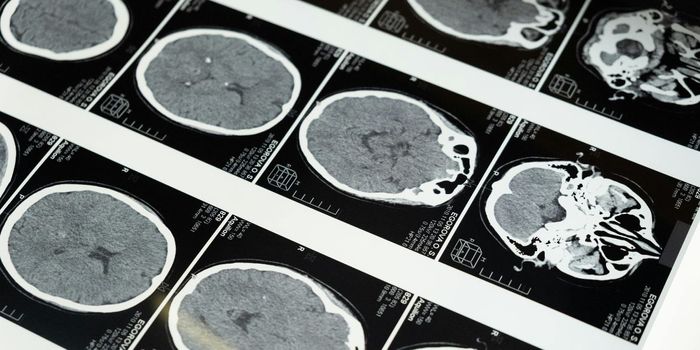
Eating full-fat cheese and cream has been linked to a lower risk of dementia. The corresponding study was published in Neurology.
"For decades, the debate over high-fat versus low-fat diets has shaped health advice, sometimes even categorizing cheese as an unhealthy food to limit,” said study author Emily Sonestedt, PhD, of Lund University, Sweden, in a press release.
"Our study found that some high-fat dairy products may actually lower the risk of dementia, challenging some long-held assumptions about fat and brain health,” she added.
For the study, researchers analyzed data from 27, 700 individuals from Sweden with an average age of 58 years old. Data included dietary assessments taken between 1991 and 1996 and dementia diagnoses through to 2020. Over a median 25-year follow-up 3, 208 patients developed dementia.
Ultimately, those who ate 50 grams or more of high-fat cheese per day were 13% less likely to develop dementia than those who ate under 15 grams per day. The researchers further found that those who consumed at least 20 grams of high-fat cream each day were 16% less likely to develop dementia than those who did not consume cream.
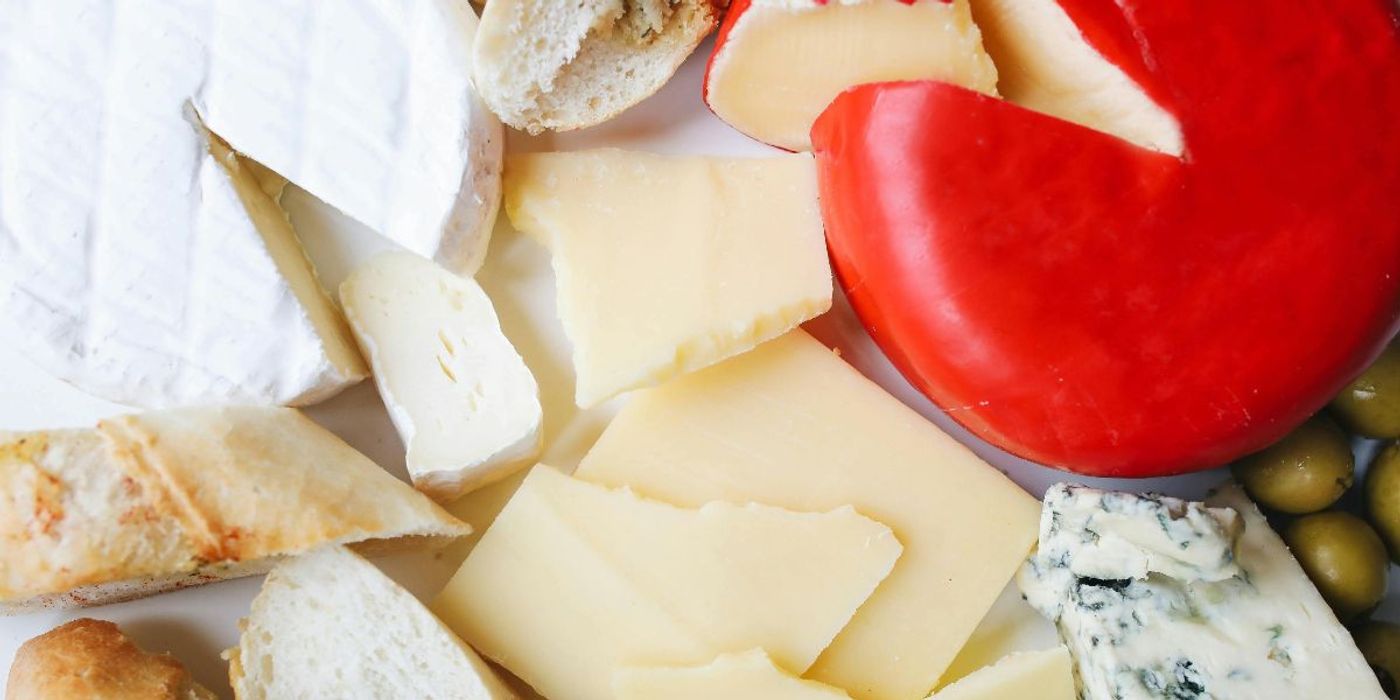
High-fat cheeses were defined as those containing more than 20% fat. Examples include cheddar, brie and Gouda. High-fat creams were defined as those with over 30% fat and include whipping cream, double cream, and clotted cream. These products are typically sold as ‘full-fat’ options.
The link was strongest for vascular dementia- eating more high-fat cheese was linked to 29% lower risk of developing the condition. Eating more high-fat cheese was also linked to a lower risk of Alzheimer’s disease among those who did not carry the APOE e4 gene variant, a genetic risk factor for Alzheimer’s.
The researchers reported no link between dementia and consumption of low-fat cheese, low-fat cream, high-fat or low-fat milk, butter, or fermented milk such as yoghurt, kefir, or buttermilk.
"These findings suggest that when it comes to brain health not all dairy is equal. While eating more high-fat cheese and cream was linked to a reduced risk of dementia, other dairy products and low-fat alternatives did not show the same effect. More research is needed to confirm our study results and further explore whether consuming certain high-fat dairy truly offers some level of protection for the brain,” said Sonestedt.
Sources: Science Daily, Neurology