
Research Assistant Professor of Biochemistry & Biophysics Director, Johnson Foundation Biophysical and Structural Biology Core Facility, Perelman School of Medicine, The University of Pennsylvania
BIOGRAPHY

Speaker
Date & Time
Date: March 18, 2026
Time: 8:00 AM PT, 11:00 AM ET, 4:00 PM CET
Abstract
Phenylalanine hydroxylase (PAH) is a dynamic, allosterically regulated tetramer whose malfunction underlies the metabolic disorder phenylketonuria (PKU). Understanding how PAH samples different quaternary and conformational states—and how these states shift in response to ligand binding or disease-associated mutations—requires an integrative biophysical strategy. In this webinar, we will explore how mass photometry, analytical ultracentrifugation (AUC), SEC-MALS, SEC-SAXS, and time-resolved SAXS collectively define a two-state quaternary landscape for PAH and reveal how structural transitions drive enzyme activation. These solution-based approaches converge with newly determined cryo-electron microscopy structures that visualize key regulatory domain movements and provide atomic insight into allosteric switching. Together, these complementary methods illustrate a modern, multi-modal framework for dissecting the structural and functional mechanisms of complex, heterogeneous enzymes and highlight how biophysical integration advances our understanding of PAH regulation and PKU-associated dysfunction.
3 Key Takeaways
- Applications of mass photometry during purification of recombinant enzymes.
- The importance of understanding oligomeric state of structural biology targets.
- The complementarity of mass photometry to cryo-electron microscopy studies versus other biophysical measures.
You May Also Like
FEB 18, 2026 | 1:00 PM

Starting Soon!
Energy-efficient filtration solutions that reduce hidden chemical exposure from benchtop work and lab equipment to improve overall laboratory safety...
FEB 17, 2026 | 8:00 AM
In cell therapy applications, commonly employed cell purification platforms for large-scale isolation of immune or stem cells separate cells based on a single cell surface antigen. Enrichmen...
FEB 18, 2026 | 8:00 AM

With advancing food allergy research and emerging therapies, new allergy testing requirements arise. In this context, Basophil Activation Testing (BAT) has emerged as an essential component...
FEB 19, 2026 | 7:00 AM
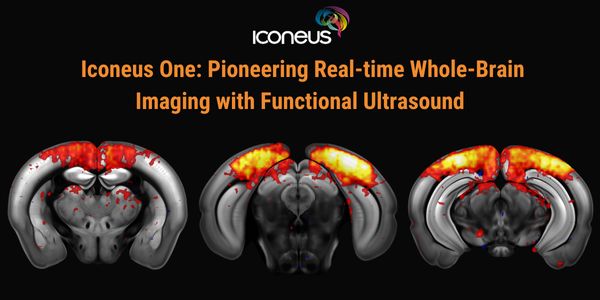
Discover how Iconeus One, the premier functional ultrasound (fUS) system for neuroscientists, is transforming brain function studies. Based on ultrafast plane-wave sonography, Iconeus One of...
FEB 19, 2026 | 8:00 AM

The collection of high-quality genomic DNA remains a major barrier in pediatric and neurodevelopmental research, particularly among children with autism spectrum disorder (ASD) and other neu...
FEB 23, 2026 | 9:00 AM
C.E. CREDITS

Explore decentralized liquid biopsy with SOPHiA GENETICS and MSK-ACCESS®, expanding access, improving outcomes, and accelerating precision oncology....
Loading Comments...