
Professor of Pharmacology (tenured) and Biomedical Sciences, Midwestern University
BIOGRAPHY
FEB 18, 2026 9:00 AM PST
Keynote Presentation: Drug Development for the Therapy of Mitochondrial Diseases w/ Live Q&A
Presented at:
Drug Discovery & Development Virtual Event Series 2026
Abstract
Primary mitochondrial diseases caused by mutations in the nuclear and mitochondrial genome represent the largest group of inborn errors of metabolism with a prevalence of about 1 in 4,300. During the last five years [1] the number of clinical trials for “Mitochondrial Diseases” has almost quadrupled. The very first drug approved by the FDA in February 2023 was Skyclarys (RTA-408) for the treatment of Friedreich’s ataxia. In September 2025 the FDA approved Forzinity™ (Elamipretide, SS-31) for treatment of Barth Syndrome. The European Medicines Agency (EMA) approved in 2015 Raxone (Idebenone) as treatment of visual impairment in patients suffering from Leber’s Hereditary Optic Neuropathy (LHON) and in 2023 Lumevoq (GS010) as gene therapy for the same condition. Russia approved already in 2012 mitochondrial targeted Visomitin (SKQ1) for the therapy of dry eye syndrome. Focusing on new experimental drug entities (New Chemical Entities, NCEs) I will give an update of the state-of-the-art in the field of mitochondrial drug development. I will analyze to what extent growing knowledge over the past two decades about the etiology and pathogenesis of mitochondrial diseases is reflected in the design and development of new experimental drugs. Considering all currently registered clinical trials involving NCEs, I will evaluate how far away we are from a cure of mitochondrial diseases.
[1] V. Weissig. Drug Development for the Therapy of Mtochondrial Diseases. Trends in Molecular Medicine 2020, 26, 40-57
Learning Objectives:
1. discuss the urgent need for the development of drugs for mitochondrial diseases
2. summarize the multitude of molecular drug targets for mitochondrial diseases
3. analyze major challenges for the treatment of mitochondrial diseases
You May Also Like
FEB 17, 2026 | 8:00 AM

In cell therapy applications, commonly employed cell purification platforms for large-scale isolation of immune or stem cells separate cells based on a single cell surface antigen. Enrichmen...
FEB 18, 2026 | 8:00 AM

With advancing food allergy research and emerging therapies, new allergy testing requirements arise. In this context, Basophil Activation Testing (BAT) has emerged as an essential component...
FEB 18, 2026 | 1:00 PM

Energy-efficient filtration solutions that reduce hidden chemical exposure from benchtop work and lab equipment to improve overall laboratory safety...
FEB 19, 2026 | 7:00 AM
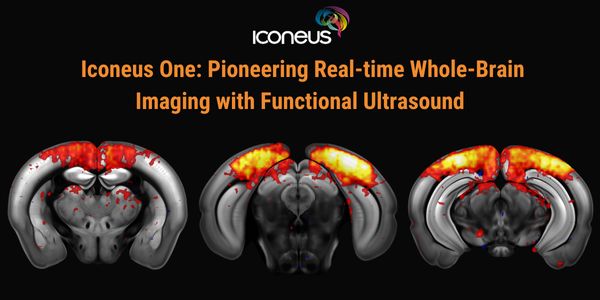
Discover how Iconeus One, the premier functional ultrasound (fUS) system for neuroscientists, is transforming brain function studies. Based on ultrafast plane-wave sonography, Iconeus One of...
FEB 19, 2026 | 8:00 AM
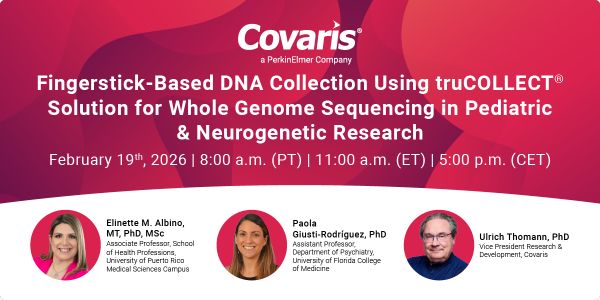
The collection of high-quality genomic DNA remains a major barrier in pediatric and neurodevelopmental research, particularly among children with autism spectrum disorder (ASD) and other neu...
FEB 23, 2026 | 9:00 AM
C.E. CREDITS

Explore decentralized liquid biopsy with SOPHiA GENETICS and MSK-ACCESS®, expanding access, improving outcomes, and accelerating precision oncology....
Loading Comments...