
Instructor, Marc and Jennifer Lipschultz Precision Immunology Institute and Department of Immunology and Immunotherapy at the Icahn School of Mount Sinai
BIOGRAPHY

Helpless Not Hopeless: Applying Cell Sorting And High-Dimensional Flow Cytometry For Long-Term Characterization Of Murine Pathogen-Specific CD8+ T Cells
Speaker
Date & Time
Date: March 4, 2026
Time: 8:00 AM PST, 11:00 AM EST
Abstract
The generation of durable CD8+ T cell memory following infection or vaccination is essential for protection against future encounters with the same or related pathogens. This process has traditionally been viewed as dependent on CD4+ T cell help. However, in many acutely resolving infections, memory CD8+ T cells can form even in the absence of CD4+ T cell support. Despite their formation, these so-called “helpless” memory CD8+ T cells often exhibit reduced protective capacity upon secondary immune challenge. These apparent contradictions raise fundamental questions about how “helpless” memory CD8+ T cells arise, how stable they are over time, and what constrains their functional potential.
In this webinar, we will present recent work examining the development and long-term fate of “helpless” memory CD8+ T cells across multiple murine infection models. We will show that early CD8+ T cell responses can initially appear intact without CD4+ T cell help, yet prolonged exposure to residual antigen transiently compromises the quality and function of the memory CD8+ T cell pool. Finally, we will demonstrate how these defects resolve over time, uncovering unexpected plasticity within the memory CD8+ T cell compartment and offering important insights for vaccine design and immune-based interventions.
Key topics discussed in this webinar will include:
- The role of CD4+ T cells in shaping the quality and durability of CD8+ T cell memory
- The impact of ongoing antigen exposure on the functional capacity of memory CD8+ T cells
- The use of cell sorting, adoptive cell transfer, and spectral flow cytometry to analyze CD8+ T cell memory formation during acutely resolving infections
Who should attend:
- Researchers studying T cell biology, immune memory, infection, or vaccination who want deeper insight into CD8+ T cell memory formation and function
- Scientists who are using or exploring advanced techniques such as cell sorting, adoptive cell transfer, and spectral flow cytometry to study immune responses
- Anyone interested in applications using spectral flow cytometry
For Research Use Only. Not for use in diagnostic or therapeutic procedures.
You May Also Like
FEB 17, 2026 | 8:00 AM

In cell therapy applications, commonly employed cell purification platforms for large-scale isolation of immune or stem cells separate cells based on a single cell surface antigen. Enrichmen...
FEB 18, 2026 | 8:00 AM

With advancing food allergy research and emerging therapies, new allergy testing requirements arise. In this context, Basophil Activation Testing (BAT) has emerged as an essential component...
FEB 18, 2026 | 1:00 PM

Energy-efficient filtration solutions that reduce hidden chemical exposure from benchtop work and lab equipment to improve overall laboratory safety...
FEB 19, 2026 | 7:00 AM
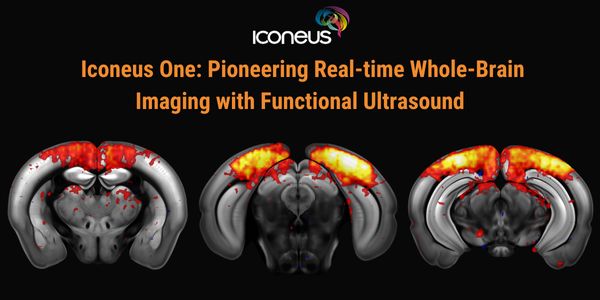
Discover how Iconeus One, the premier functional ultrasound (fUS) system for neuroscientists, is transforming brain function studies. Based on ultrafast plane-wave sonography, Iconeus One of...
FEB 19, 2026 | 8:00 AM
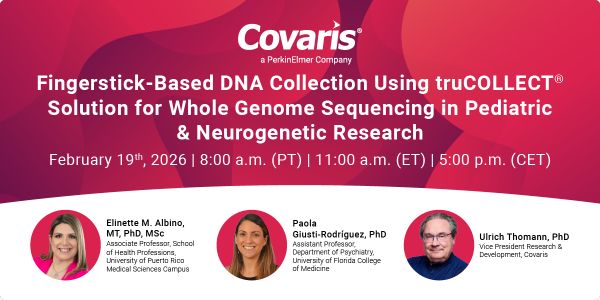
The collection of high-quality genomic DNA remains a major barrier in pediatric and neurodevelopmental research, particularly among children with autism spectrum disorder (ASD) and other neu...
FEB 23, 2026 | 9:00 AM
C.E. CREDITS

Explore decentralized liquid biopsy with SOPHiA GENETICS and MSK-ACCESS®, expanding access, improving outcomes, and accelerating precision oncology....
Loading Comments...