
Associate Medical Director, Infectious Diseases - Core diagnostic at Abbott
BIOGRAPHY

Speaker
Date & Time
DATE: June 29, 2020
TIME: 2:00pm CEST, 8:00am EDT, 5:00am PDT
Abstract
The response of laboratory medicine to the SARS-CoV-2 pandemic has been very fast and comprehensive. Direct detection of viral RNA by different nucleic acid amplification techniques is recommended. While it allows for a diagnosis of COVID-19 disease in the early stages, patients admitted late may test negative on swabs taken from the upper respiratory tract. The early rise of humoral immune response may allow for an etiological diagnosis in such cases; IgG and IgM antibody response mounts early and peaks in the late stages of the disease, with specific IgG lasting longer after recovery, so the detection of the two Ig classes shall allow for both a timely diagnosis and to define the stage of infection. The main targets for the antibody response are the antigens from the nucleocapsid (N) and spike (S) domains, and the former appear to elicit an earlier response. While the role antibodies play in generating a true protective immunity is yet to be clarified, several evidences indicate that a strong humoral response correlates with viral neutralization. Finally, the combination of RNA and antibody detection shall be useful in all the potential testing scenarios. For serology, while clinical sensitivity is relevant for diagnosis, a high specificity is crucial to guarantee a high positive predictive value when asymptomatic populations are screened.
Learning Objectives:
- Analyze the patterns of the different markers of SARS-CoV-2 infection and the added value of serology in the diagnostic process
- Learn about the Abbott SARS-CoV-2 IgG assay
- Achieve a better understanding of the main variables in SARS-CoV-2 antibody detection: choice of target antigens, IgM vs. IgG response, assessment of viral neutralization
- Get an overview of the objectives and limitations of serological testing and in what potential screening scenarios can serology testing be employed
You May Also Like
FEB 17, 2026 | 8:00 AM
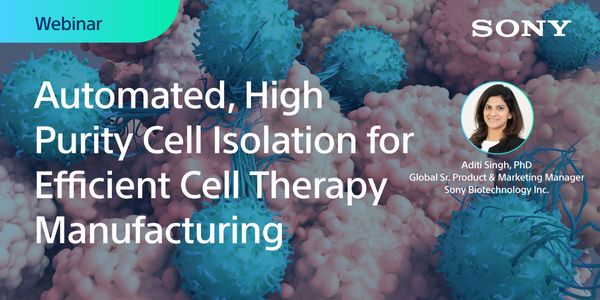
In cell therapy applications, commonly employed cell purification platforms for large-scale isolation of immune or stem cells separate cells based on a single cell surface antigen. Enrichmen...
FEB 18, 2026 | 8:00 AM
With advancing food allergy research and emerging therapies, new allergy testing requirements arise. In this context, Basophil Activation Testing (BAT) has emerged as an essential component...
FEB 18, 2026 | 1:00 PM

Energy-efficient filtration solutions that reduce hidden chemical exposure from benchtop work and lab equipment to improve overall laboratory safety...
FEB 19, 2026 | 7:00 AM
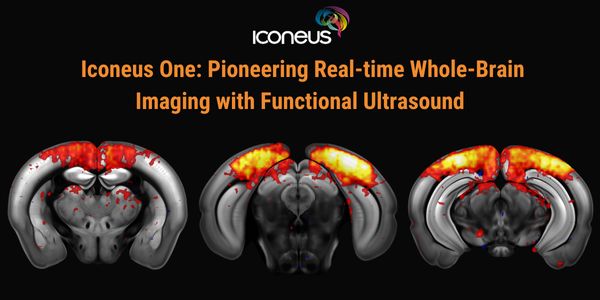
Discover how Iconeus One, the premier functional ultrasound (fUS) system for neuroscientists, is transforming brain function studies. Based on ultrafast plane-wave sonography, Iconeus One of...
FEB 19, 2026 | 8:00 AM
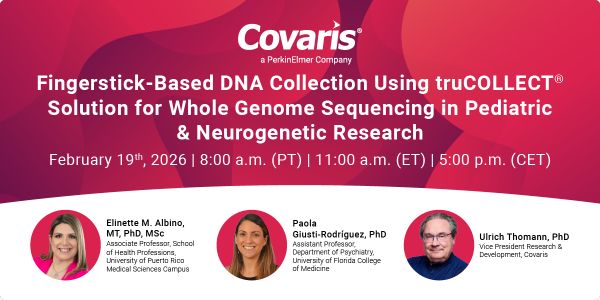
The collection of high-quality genomic DNA remains a major barrier in pediatric and neurodevelopmental research, particularly among children with autism spectrum disorder (ASD) and other neu...
FEB 23, 2026 | 9:00 AM
C.E. CREDITS

Explore decentralized liquid biopsy with SOPHiA GENETICS and MSK-ACCESS®, expanding access, improving outcomes, and accelerating precision oncology....
Loading Comments...