
Research Fellow
BIOGRAPHY
APR 29, 2026 5:30 AM PDT
Spatial Multi-Omics Reveals Distinct Functional States Of Tertiary Lymphoid Structures In Non-small Cell Lung Cancer
Presented at:
Immuno-Oncology Virtual Event Series 2026
Speaker
Abstract
TLS are often linked to enhanced immunotherapy response and increased overall survival in most solid tumors. However, cues that drive differences in TLS formation and function are not clearly understood. Here, we spatially interrogated TLS in treatment naïve non-small cell lung cancer (NSCLC) patients to delineate distinct functional states.
We combined multispectral imaging and spatial transcriptomics (GeoMx® whole transcriptomic atlas) to comprehensively profile the tumor microenvironment (TME) in 70 NSCLC patients.
We identified TLS (herein referred to as TLS type I state) with a distinct transcriptional signature which also correlated with improved prognosis. Importantly, we observed a trajectory of chemokine expression that heightened in the TLS type I state, indicative of TLS development in the TME. Furthermore, the TLS type I state had enhanced B cell receptor signaling pathways that coincided with high expression of CD37 and CD52. CD37 and CD52 were highly abundant in some TLS while lacking in others. Of note, expression of CD37 or CD52 in TLS correlated with enhanced TLS activity, measured by Ki67 expression within the TLS. Patients with a high density of CD37+ or CD52+ TLS or both had a higher probability of survival.
Our work utilizes spatial omics to delineate transcriptional differences that govern TLS function. We describe key pathways that are associated with TLS functional states, highlighting transcriptional changes in TLS state. We identified and validated CD37 and CD52 as important biomarkers for functional TLS in NSCLC. Our findings shed light on key developmental changes governing TLS function that could be used to modulate TLS in solid tumors for improved immunotherapy response.
Learning Objectives:
1. Describe how spatial multi-omics approaches (multispectral imaging and spatial transcriptomics) can be used to characterize tertiary lymphoid structures (TLS) in the NSCLC tumor microenvironment.
2. Identify transcriptional and signaling features that distinguish the TLS type I functional state from other TLS states in non-small cell lung cancer.
3. Interpret the prognostic significance of CD37 and CD52 expression within TLS and their relationship to TLS activity and patient survival.
You May Also Like
FEB 17, 2026 | 8:00 AM

In cell therapy applications, commonly employed cell purification platforms for large-scale isolation of immune or stem cells separate cells based on a single cell surface antigen. Enrichmen...
FEB 18, 2026 | 8:00 AM

With advancing food allergy research and emerging therapies, new allergy testing requirements arise. In this context, Basophil Activation Testing (BAT) has emerged as an essential component...
FEB 18, 2026 | 1:00 PM

Energy-efficient filtration solutions that reduce hidden chemical exposure from benchtop work and lab equipment to improve overall laboratory safety...
FEB 19, 2026 | 7:00 AM
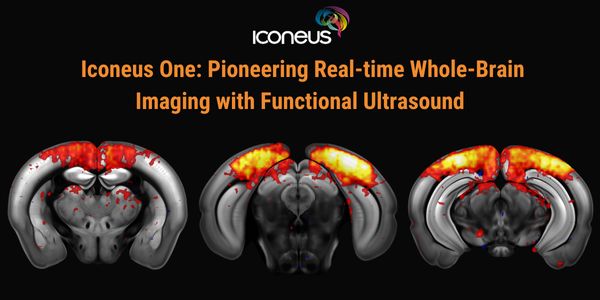
Discover how Iconeus One, the premier functional ultrasound (fUS) system for neuroscientists, is transforming brain function studies. Based on ultrafast plane-wave sonography, Iconeus One of...
FEB 19, 2026 | 8:00 AM

The collection of high-quality genomic DNA remains a major barrier in pediatric and neurodevelopmental research, particularly among children with autism spectrum disorder (ASD) and other neu...
FEB 23, 2026 | 9:00 AM
C.E. CREDITS

Explore decentralized liquid biopsy with SOPHiA GENETICS and MSK-ACCESS®, expanding access, improving outcomes, and accelerating precision oncology....
Loading Comments...