
Assistant Professor, Pharmacology, Midwestern University - Downers Grove
BIOGRAPHY
FEB 18, 2026 5:30 AM PST
Unexpected effects of the VEGFR inhibitor cediranib in multiple cancer models
Presented at:
Drug Discovery & Development Virtual Event Series 2026
Speaker
Abstract
A key challenge in combating cancers is tumor progression. As cancers grow and encounter selective pressures, they continually evolve, leading to metastasis, drug resistance, and worsening prognoses. Central to these changes are two related processes: angiogenesis and epithelial to mesenchymal transition (EMT). Angiogenesis, the growth of new blood vessels to fed the growing tumor, has emerged as a promising therapeutic target, and multiple drugs acting against the vascular endothelial growth factor (VEGF) pathway have entered clinical use. EMT is a developmental process reactivated in cancers, marked by changes in cell adhesion that permit metastatic spread and associated with altered therapy response. However, targeting EMT has proved challenging, and work is ongoing to identify novel treatment approaches.
Recently, in our search for drugs that would target cells that have undergone EMT, we identified the VEGF receptor inhibitor cediranib as having differential efficacy in mesenchymal-like vs. epithelial-like cancer cells. We have found this to be true across multiple types of cancer and, given efficacy in vitro in the absence of vasculature, independent of its anti-angiogenic effects. Here we report anticancer efficacy of cediranib and identify ERK1/2 as mediators of cediranib response in ovarian cancer. Future work in our group will continue to unravel the mechanisms responsible for these effects. Overall, this study and others like it have the potential to expand the utility of VEGF-directed agents for cancer therapy.
Learning Objectives:
1. List potential novel mechanisms of action for cediranib
2. Explain the molecular changes that occur during cancer progression
3. Compare genetic and pharmacologic means of modulating target protein activity in cells
4. Explain the concept and quantitation of synergism between drugs
You May Also Like
FEB 17, 2026 | 8:00 AM

In cell therapy applications, commonly employed cell purification platforms for large-scale isolation of immune or stem cells separate cells based on a single cell surface antigen. Enrichmen...
FEB 18, 2026 | 8:00 AM

With advancing food allergy research and emerging therapies, new allergy testing requirements arise. In this context, Basophil Activation Testing (BAT) has emerged as an essential component...
FEB 18, 2026 | 1:00 PM

Energy-efficient filtration solutions that reduce hidden chemical exposure from benchtop work and lab equipment to improve overall laboratory safety...
FEB 19, 2026 | 7:00 AM
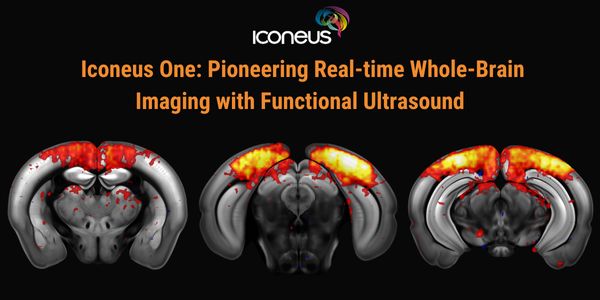
Discover how Iconeus One, the premier functional ultrasound (fUS) system for neuroscientists, is transforming brain function studies. Based on ultrafast plane-wave sonography, Iconeus One of...
FEB 19, 2026 | 8:00 AM
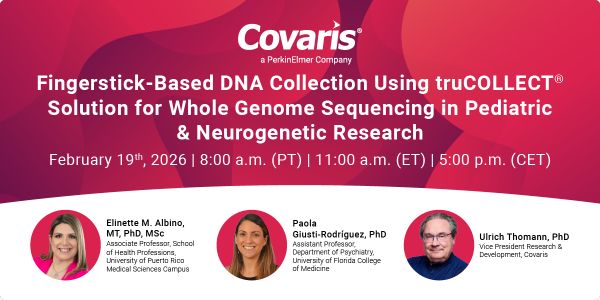
The collection of high-quality genomic DNA remains a major barrier in pediatric and neurodevelopmental research, particularly among children with autism spectrum disorder (ASD) and other neu...
FEB 23, 2026 | 9:00 AM
C.E. CREDITS

Explore decentralized liquid biopsy with SOPHiA GENETICS and MSK-ACCESS®, expanding access, improving outcomes, and accelerating precision oncology....
Loading Comments...