 Follow
Digital PCR
Digital PCR: a quantitative PCR method that provides a sensitive and reproducible way of measuring the amount of DNA or RNA present in a sample. This method is similar to qPCR in the reaction assembly components and amplification reaction, but differs in the way the sample target is measured.


MAR 22, 2021 | 8:00 AM
Date: March 22, 2021 Time: 8:00am PDT, 11:00am EDT Viral diversity presents an ongoing challenge for diagnostic tests, which must be designed to accurately detect all current and future circ...
MAR 17, 2021 | 8:00 AM

Date: March 17, 2021 Time: 08:00am (PST) Research focused on SARS-CoV-2 has become a primary focus in genomic and molecular biology fields. With a constantly changing field with new methods...
FEB 24, 2021 | 10:00 AM
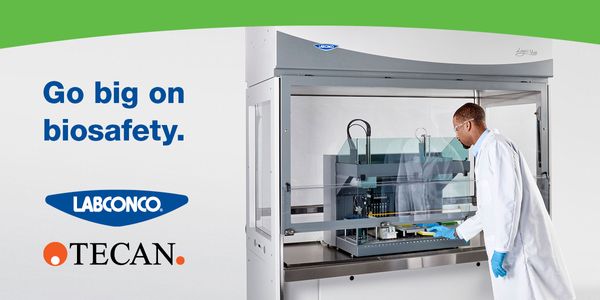
DATE: February 24, 2021 TIME: 10am PST Automated lab instruments such as liquid handlers and cell sorters are increasingly common in all types of laboratories, driving fast results for labor...
NOV 12, 2020 | 1:30 PM

Today's presentation will cover the following topics from the perspective of a NYC based Laboratory: What have we learned year to date about CoV-2 and specifically how diagnostic testing...
NOV 12, 2020 | 12:00 PM

As many parts of the northern hemisphere move into the colder months and indoors, SARS CoV-2 has begun a second infection wave that has exceeded the first surge of cases in many global regio...
NOV 10, 2020 | 7:00 AM
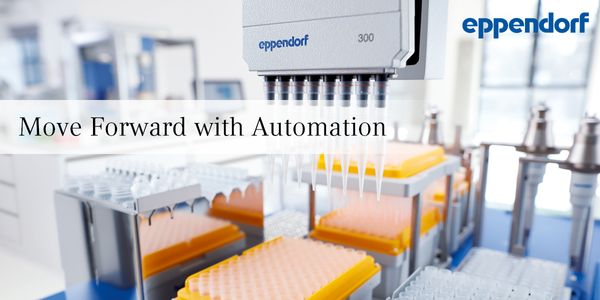
DATE: November 10, 2020 TIME: 7:00am PDT, 10:00am EDT Automation can provide tremendous benefits such as increased pipetting precision and accuracy, productivity, and throughput. Numerous wo...
OCT 08, 2020 | 4:30 PM

Multiplex detection of oncogenic mutations using LNA-based assays on the QIAcuity digital PCR system Digital PCR (dPCR) enables specific and sensitive detection of genetic alterations in onc...
OCT 08, 2020 | 9:00 AM

Mutations in the epidermal growth factor receptor gene (EGFR) and the known Kirsten rat sarcoma viral oncogene (KRAS) are significant drivers in the development of non-small-cell lung cancer...
SEP 08, 2020 | 6:00 AM

This webinar covers various fundamental aspects of performing a successful digital PCR (dPCR) assay on the QIAcuity instruments. An essential parameter to consider in designing a dPCR assay...
SEP 04, 2020 | 8:00 AM
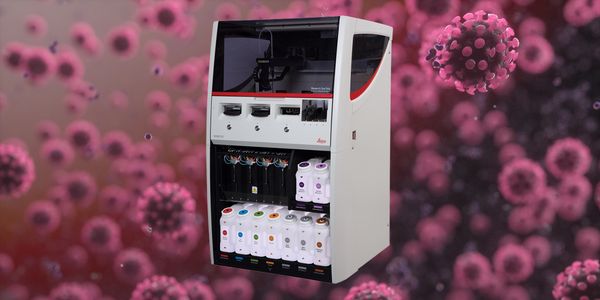
Date: September 4, 2020 Time: 8:00am (PTD), 11:00am (ETD) Direct detection of viral RNA in human or other animal cells by RNA in situ hybridization (ISH) is a powerful tool to establish the...
AUG 25, 2020 | 8:00 AM

DATE: August 25, 2020 TIME: 8:00am PDT, 10:00am CDT, 11:00am EDT Recombinant lentivirus (LV) and adeno-associated virus (AAV) are critical components of cell and gene therapies, which show g...
JUL 02, 2020 | 12:45 PM

Molecular breeding can significantly reduce the cost and time required to deliver improved plant and animal species for agricultural use. Advancements in genomic technologies are acceleratin...
JUL 02, 2020 | 12:15 PM

The study of human development and diseases relies on analysis of samples obtained and manipulated ex vivo. It is critical in such studies to know the provenance and confirm that the identit...