 Follow
Viral
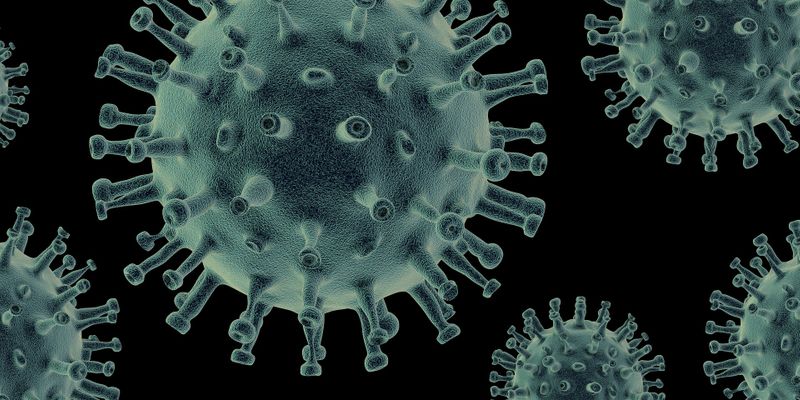
The term viral refers to an infection driven by a virus and examples include COVID-19, AIDS, measles, hepatitis, and smallpox. Viruses contain DNA or RNA and must infect host cells in order to replicate and they can damage the host during this process. Antiviral medications or vaccines can treat viral infections.

AUG 25, 2021 | 12:00 AM

Over 40 tandem repeats undergo expansion events that lead to neurological disease. This number is likely an underestimate as many repeats are difficult to amplify using existing short read s...
AUG 18, 2021 | 8:00 AM
Date: August 18, 2021 Time: 8:00am (PDT), 11:00am (EDT) Discover the tools to phenotype your NK cells and to perform functional analyses such as cellular cytotoxicity assays. From NK cell is...
JUL 27, 2021 | 10:00 AM
Date: July 27, 2021 Time: 10:00am (PDT), 1:00pm (EDT) Dr Gish (Insert credentials and role with Hep B Foundation) will cover current USPSTF recommendations (risk based) and HBFoundation for...
JUL 27, 2021 | 8:00 AM
Date: July 27, 2021 Time: 8:00am (PDT), 11:00am (EDT) The Origin of Biopharmaceutics (Biopharma) derive from The Division of Clinical Research in the U.S. Bureau of Medicine. However, author...
JUL 22, 2021 | 4:15 PM

Genome editing technologies have enabled the precise manipulation of DNA sequences at targeted sites to achieve therapeutic effects. Engineered endonucleases like CRISPR-Cas9 institute site-...
JUL 22, 2021 | 3:30 PM

Learning Objectives: 1. Delivery vehicles for the Cas9 RNP 2. Gene editing after a direct tissue injection 3. New linkers for conjugating proteins to polymers...
JUL 22, 2021 | 12:45 PM

Gene editing technologies such as CRISPR/Cas9 have greater flexibility and high efficiency. CRISPR technology enables targeted insertion of transgenes at the desired locus and has the abilit...
JUL 22, 2021 | 11:00 AM

Human T cells are critical effectors of immune protection from infections, autoimmune pathology, and cancer immunotherapy. We use CRISPR-mediated gene editing in primary human T cells to sys...
JUL 15, 2021 | 10:00 AM

Date: July 15, 2021 Time: 10:00am (PDT), 1:00pm (EDT) Sigma Metrics plays a critical role in laboratory medicine. Abbott is committed to helping your laboratory achieve excellence in clinica...
JUL 08, 2021 | 8:00 AM

Date: July 8, 2021 Time: 8:00am (PDT) Cell-based chimeric antigen receptor (CAR) T cell therapies have rapidly advanced in recent years, with a variety of targets in clinical research and se...
JUN 29, 2021 | 8:00 AM

Date: June 29, 2021 Time: 08:00am PDT As the SARS-CoV-2 virus that causes COVID-19 keeps mutating, there is a growing need to sequence the viral genome from many COVID-19-positive samples to...
JUN 23, 2021 | 9:00 AM

Date: June 23, 2021 Time: 9:00am PDT Adeno-associated virus (AAV) is rapidly becoming the go-to biological delivery method for the latest gene therapy breakthroughs. AAV has an efficacy and...
JUN 16, 2021 | 11:00 AM
Date: June 16, 2021 Time: 11:00am (PDT), 2:00pm (EDT) Large-scale wastewater surveillance can be used to help communities monitor infection dynamics for SARS-CoV-2. Wide-spread implementatio...
JUN 09, 2021 | 8:55 AM

Recombinant adeno-associated viral (rAAV) vectors have emerged as the leading gene delivery platform for gene therapy. Leveraging LC and LC-MS methods for the characterization of AAV product...
JUN 09, 2021 | 7:00 AM
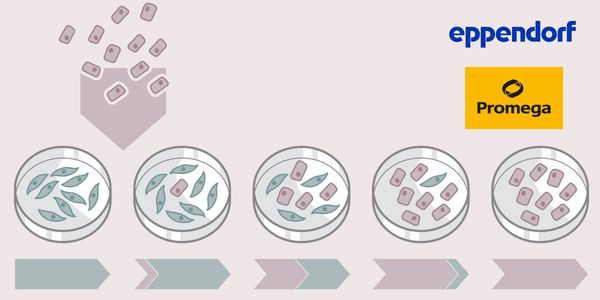
Date: June 9, 2021 Time: 09 June 2021, 7am PDT, 10am EDT, 4pm CEST cells with dramatic implications on the validity of past cell culture related research. The fact that at least 509 cell lin...
JUN 03, 2021 | 6:00 AM
DATE: June 03, 2021 TIME: 6:00am PDT HEV, with over 3 million clinical cases, 70,000 deaths, and 3,000 stillbirths, mostly in Asia and Africa, causing 3.3% of all deaths from viral hepatitis...
JUN 03, 2021 | 12:00 PM
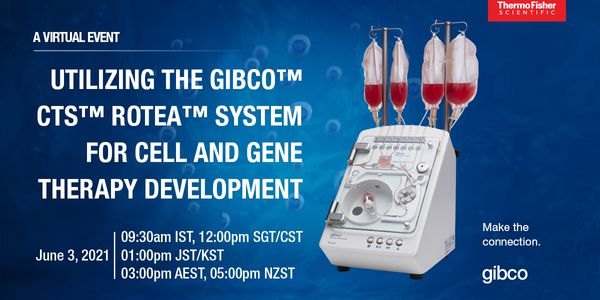
DATE: June 3, 2021 TIME: 12:00pm SGT This webinar is a virtual event that focuses on utilizing the Gibco CTS Rotea System for Cell and Gene Therapy...
JUN 02, 2021 | 8:00 AM
Date: June 2, 2021 Time: 8:00am (PDT), 11:00am (EDT) In this introduction Kelly Hunter will address the first Learning Objective. He will cover i) a range of digital pathology and tissue mul...
JUN 02, 2021 | 7:00 AM
DATE: June 02, 2021 TIME: 7:00am PDT In this talk we will present how we have optimized single-cell technologies to sort single viral particles by advanced flow cytometry and whole genome am...
MAY 27, 2021 | 9:00 AM
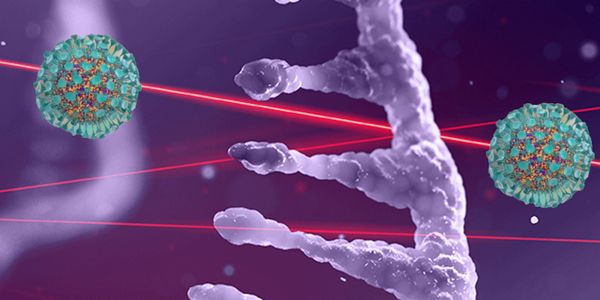
Date: May 27, 2021 Time: 9:00am PDT Since the current SARS-CoV-2 outbreak, there has been an urgent need to define the immune response and understand the relevant immunological mechanisms un...
MAY 27, 2021 | 8:00 AM
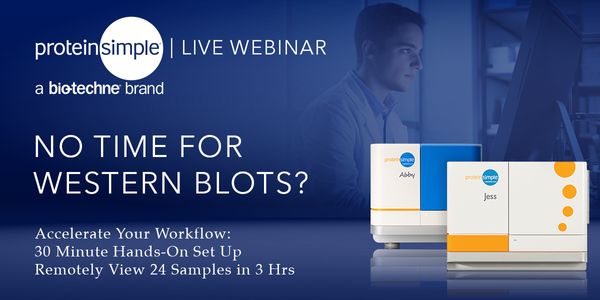
Date: May 27, 2021 Time: 8:00am (PDT), 11:00am (EDT) With social distancing measures still enforced in large parts of the world, many researchers must minimize time in the lab where they may...
MAY 11, 2021 | 10:00 AM

Date: May 11, 2021 Time: 10:00zm PDT Your samples are some of the most valuable assets in the laboratory. After spending countless hours on extraction and preparation, your conclusions could...
MAY 05, 2021 | 8:00 AM
Date: May 5, 2021 Time: 8:00am PDT, 11:00am EDT Emergence of genetic mutations within the SARS-CoV-2 genome that may enhance transmissibility, increase symptom severity or improve the virus...