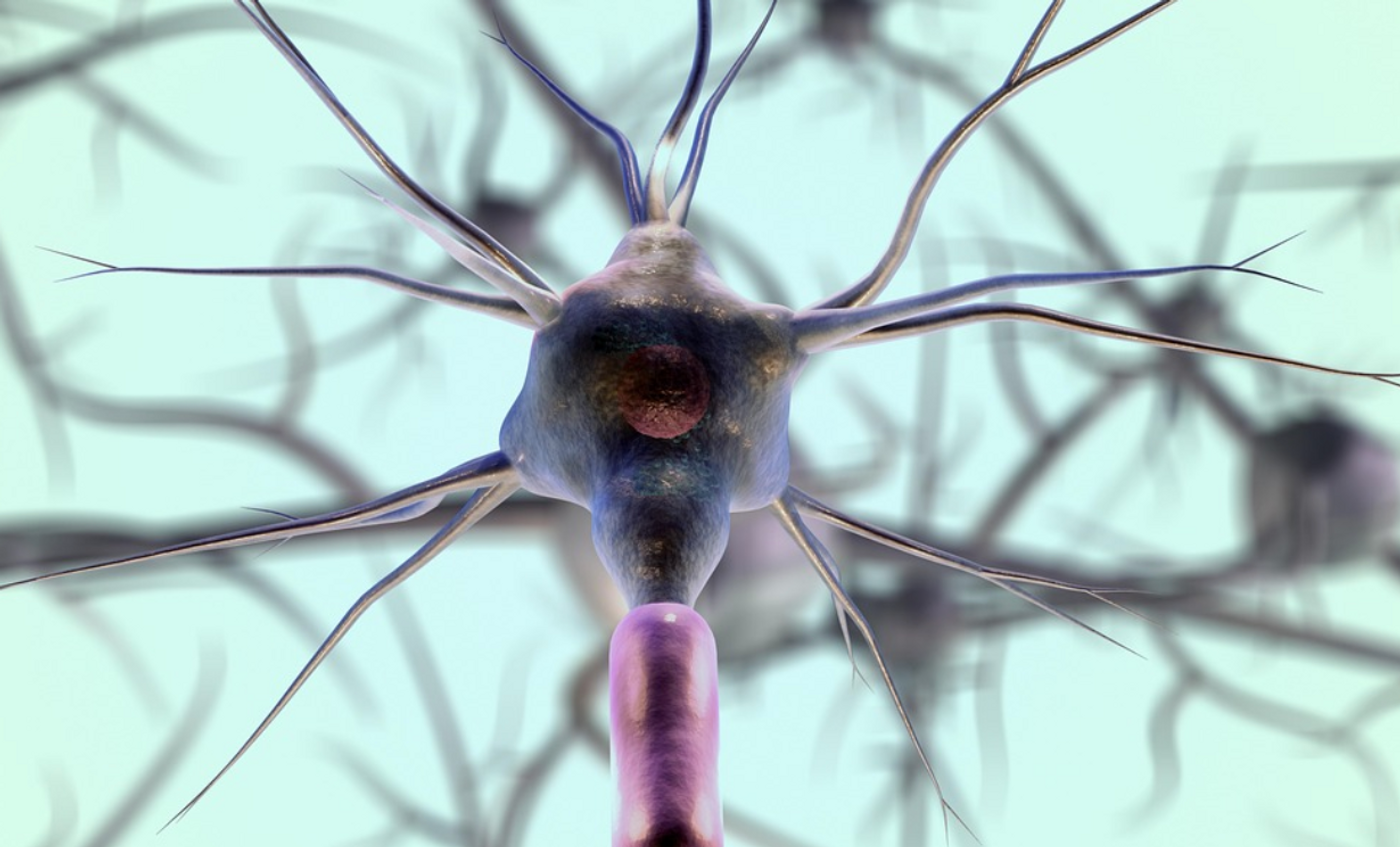
The links between neurons are crucial to the brain, and brain cells can reorganize the way they are linked together in a phenomenon known as neuroplasticity. This process is ongoing during a lifetime, and allows us to learn, remember, recover from injury, and other important functions. Now scientists have revealed more about a crucial mechanism that helps neurons strengthen their connections. This work relied on human tissue samples and mouse models, and provided new insights about the role of NMDA receptors in pain, memory, and learning. The findings, which could help scientists develop better therapeutics for pain, have been reported in Science.
“This study gets to the core of how synaptic plasticity works—how connections between neurons evolve. It has very broad implications for neuroscience,” noted co-corresponding study author Dr. Ted Price, a professor of neuroscience at The University of Texas at Dallas, among other appointments.
In this study the investigators focused on a common and critical biochemical process called phosphorylation, in which an enzyme adds a phosphate group to a molecule, modifying that molecule’s function. Neurons can release phosphorylating enzymes called ectokinases, which can work outside of the cell to perform extracelllular phsophorylation.
We’ve known about extracellular for nearly 150 years, but its role in the nervous system has been unclear, said Price. “In this study we found that kinases within the synaptic cleft itself play an important role in synaptic plasticity. These results alter our textbook-level understanding of how synapses work.”
This study determined that an ectokinase known as vertebrate lonesome kinase (VLK) is important to a neuronal interaction related to injury-induced pain. After an injury, neurons release VLK, which phosphorylated a receptor on the outside of neurons, which causes N-methyl-D-aspartate (NMDA) receptor proteins to start clustering in the cell membrane. This can activate neurons and boost synaptic plasticity.
A mouse model that did not express VLK in pain-related sensory neurons also did not show signs of post-surgery hypersensitivity, unlike normal mice, in which NMDA receptors were activated and pain hypersensitivity developed after surgery. Similar results were seen human sensory neurons.
While NMDA receptors could present a good target for pain relievers, they have a wide range of functions and altering them without causing many side effects is a challenging prospect.
“NMDA receptors are involved in almost every aspect of how the nervous system works,” Price said. “Our findings suggest a new way to manipulate NMDA receptors through VLK targeting potentially without huge side effects. In cortical neurons from the brain, VLK seems to be released in an activity-dependent fashion. Because of that, we can envision a model with many implications within the nervous system.”
Experienced research scientist and technical expert with authorships on over 30 peer-reviewed publications, traveler to over 70 countries, published photographer and internationally-exhibited painter, volunteer trained in disaster-response, CPR and DV counseling.