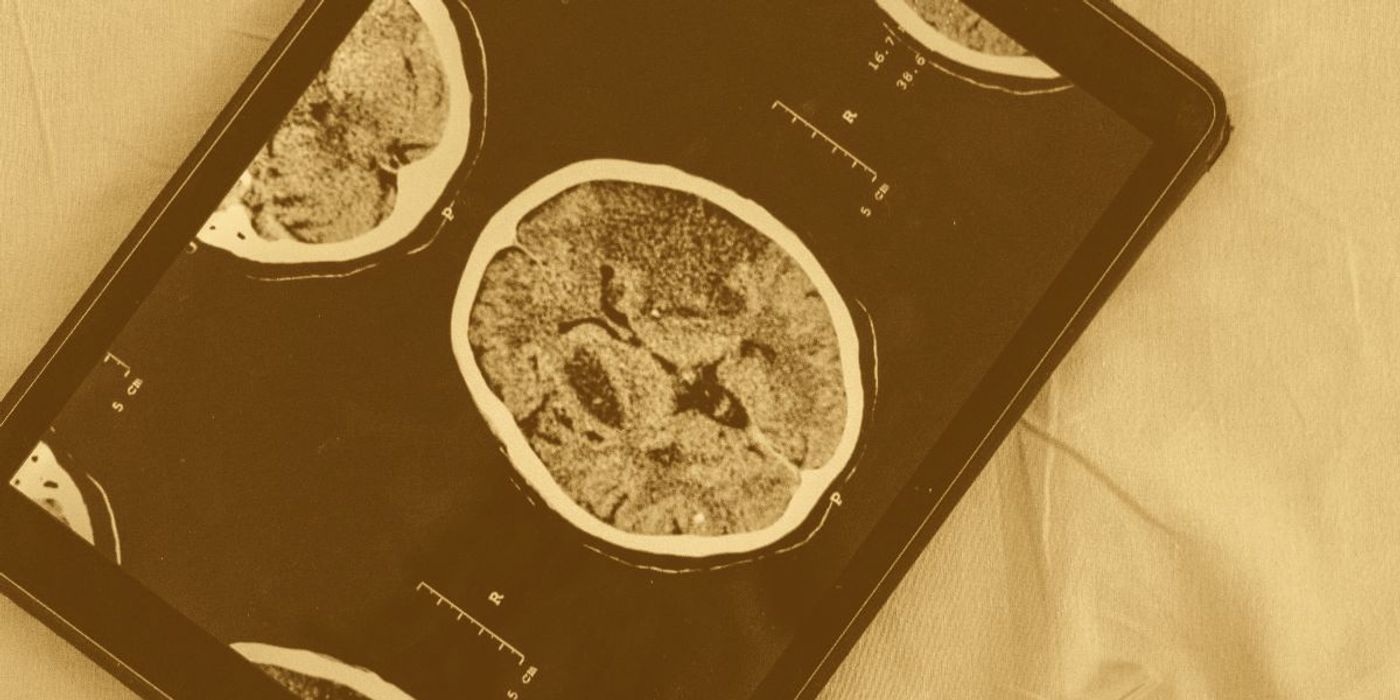
 Prompt treatment following traumatic brain injury (TBI) lowers risk of developing Alzheimer’s disease (AD) in subsequent years by up to 41%. The corresponding study was published in the Journal of Alzheimer’s Disease.
“For the millions of people who suffer head injuries each year, the message is clear: Getting treatment immediately could protect their minds for decades to come," said study author, Rong Xu, professor of biomedical informatics at Case Western Reserve University School of Medicine, OH, in a press release.
Globally, around 69 million people are affected by TBI each year. TBI is linked to a higher risk for AD later in life due to prolonged inflammation that damages brain cells over time. In the current study, researchers investigated whether prompt neuro-rehabilitative treatment following moderate to severe TBI reduces this risk. Neuro-rehabilitation includes physical therapy, occupational therapy, cognitive rehabilitation, and speech-language therapy.
For the study, researchers analyzed health records from over 17,000 patients aged between 50 and 90 years old who had experienced moderate or severe TBI. They either received ‘immediate treatment’- characterized by treatment within one week of injury, or ‘delayed treatment’- characterized by treatment more than a week later. Follow-ups were conducted after three and five years.
Ultimately, patients receiving treatment within one week had a 41% lower risk of AD after three years, and a 30% lower risk after five years compared to those who received treatment later. Similar risk reductions were noted for mild cognitive impairment (MCI), dementia, and AD-related medication use.
“Immediate treatment following moderate or severe TBI was associated with significantly reduced risk of AD and related cognitive decline. These findings suggest that prompt intervention may mitigate long-term neurodegenerative consequences of TBI,” concluded the researchers in their study.
Xu and her team are now exploring how timing of neuro-rehabilitation after TBI affects risk of other neurodegenerative conditions such as Parkinson's disease.
Sources: EurekAlert, Journal of Alzheimer’s Disease