Placozoa are among the simplest animals in the world. They were initially discovered living on the walls of aquariums in a European laboratory in the 1880s, and are thought to live naturally throughout the tropical and sub-tropical waters of the world. They are made up of only a few types of cells, and have very small genomes.
After analyzing a novel type of placozoa that was obtained from the Red Sea, researchers have now discovered a totally new type of tissue folding that has not been recorded before. This study, which was reported in the Proceedings of the National Academy of Sciences (PNAS), has also shown how these simple animals can fold themselves into very complex shapes without the help of a nervous system. This study has provided us with new insights into basic cellular functions and tissue folding.
This study has also found a novel role for a cellular feature known as the cilium. Primary cilia can act like cellular antennas that receive signals from their environment and use that information to direct internal cellular functions. But motile cilia can move fluids, and cells.
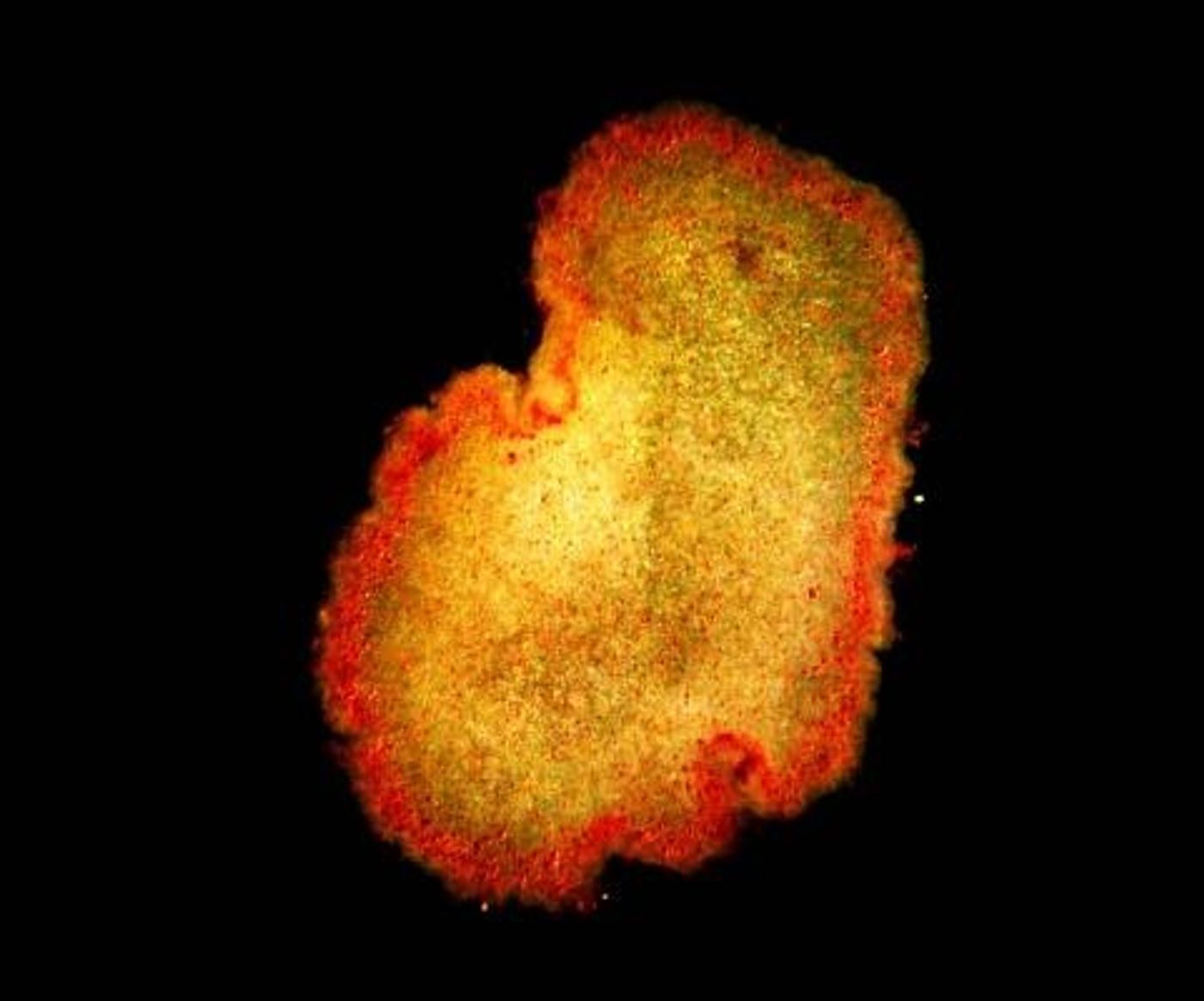
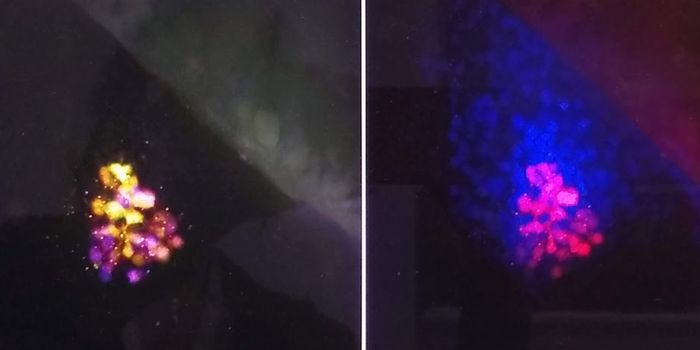
The successful folding and unfolding of placozoas was also captured on video. One view shows a type of placozoa known as Trichoplax adhaerens (T. adhaerens) that has been stained so its movements can be visualized.
This placozoa seems to use its cilia for complex shapeshifting mechanisms. The cilia of the placozoa can move along surfaces to direct the folding or molding of tissues into various shapes and forms. The collective activity of cilia was shown to direct both folding and unfolding in this organism, and T. adhaerens could continuously transition between a two-dimensional and three-dimensional state.
Although this work has provided new insights into very basic biological mechanisms, it may help us learn more about the evolution of animals; how tissue develops and moves into the proper shapes; and processes that are crucial during the embryonic development of various creatures, including humans.
Experienced research scientist and technical expert with authorships on over 30 peer-reviewed publications, traveler to over 70 countries, published photographer and internationally-exhibited painter, volunteer trained in disaster-response, CPR and DV counseling.