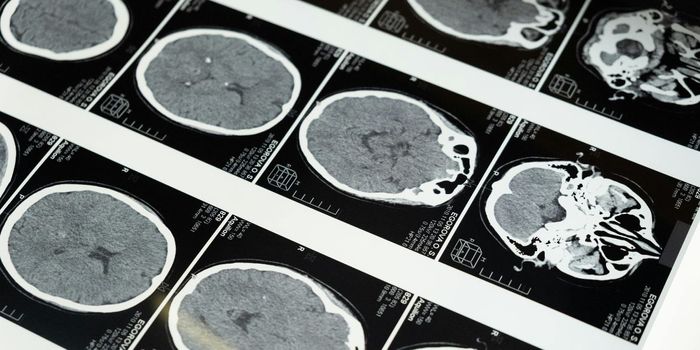
Scientists and regulators have long acknowledged the weaknesses in traditional methods used to identify drugs that may harm the central nervous system. One in four safety-related failures arise from neurological toxicity, yet nearly four-fifths of these problems are not recognized until clinical trials, when the risks to volunteers and the financial cost to sponsors are far greater. The shortfall reflects a persistent dependence on models that do not represent human neural biology with sufficient accuracy, leaving a substantial gap between preclinical evidence and clinical outcomes.
For decades, most laboratories have relied on animal behavior studies or simple two-dimensional cell assays to assess neurological risk. Researchers point out that these methods rarely capture the types of functional disturbances that clinicians observe at the bedside. Drug-induced seizures illustrate the dilemma. The susceptibility of different species to seizure activity varies considerably, and several mechanisms that provoke seizures in humans do not translate well to common laboratory animals. As a result, studies frequently miss early signs of risk, while occasionally flagging concerns that later prove irrelevant. The absence of human-based functional endpoints means that researchers often proceed with limited insight into how a compound may behave once it reaches the clinic.
Over the past year, however, policy developments in the United States have signaled a shift in the direction of safety research. In April 2025, the Food and Drug Administration published a roadmap outlining its intention to reduce the use of animals in preclinical safety studies. The plan describes a phased approach in which new methods, including organoids, microphysiological systems and computational tools, are introduced as more predictive alternatives. The agency describes a three-to-five-year horizon in which conventional animal studies would become a secondary option rather than the primary route to regulatory acceptance.
The National Institutes of Health moved quickly to support this transition. In July, it announced that new funding programs would no longer support proposals that rely solely on animal models of human disease. Applicants are now expected to incorporate non-animal approaches as part of their study design. Two months later, the institute launched the Standardized Organoid Modeling Center, a national initiative financed with an initial commitment of $87 million over three years, intended to improve the reproducibility and validation of organoid systems and create a shared infrastructure for data exchange.
Taken together, these decisions indicate that the leading scientific agencies see a need for more reliable, human-relevant systems in safety assessment. The goal is not simply to reduce animal use but to support approaches that better reflect the biological processes at stake.
Organoid technologies have become a central part of this discussion, particularly for studies involving the central nervous system. Because they are built from human-derived stem cells and develop into multi-cellular structures with a degree of functional organization, brain organoids provide a way to examine network activity that cannot be replicated with conventional two-dimensional culture. They allow researchers to observe how compounds influence communication between neurons and how disruptions give rise to patterns that resemble early stages of toxicity.
Yet the promise of these systems has occasionally been overshadowed by uneven performance. Many organoid platforms differ from batch to batch in size, cellular composition or activity patterns, making it difficult to draw clear conclusions from experimental data. Regulatory authorities have made it clear that consistency will be essential if these models are to be integrated into formal safety pipelines.
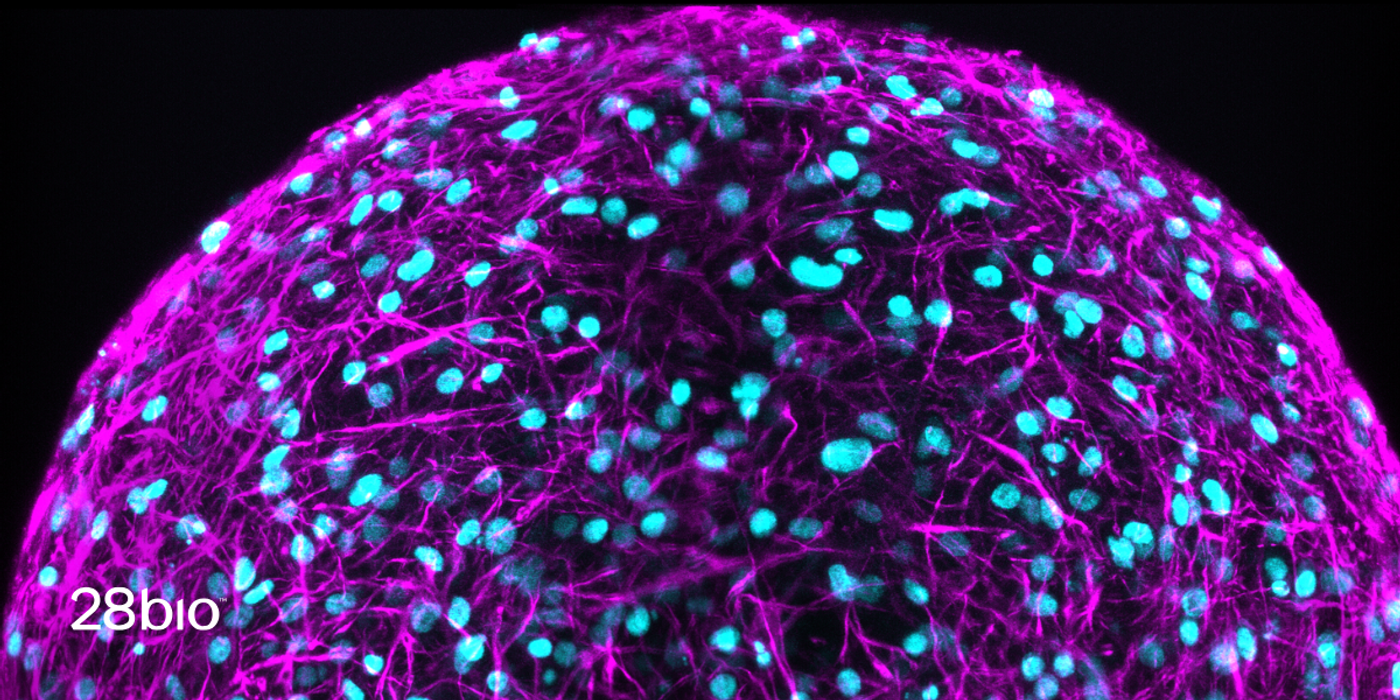
Among the organizations attempting to address these issues is 28bio, which has developed a cortical organoid system known as CNS-3D. The model is built from induced pluripotent stem cells and includes a mix of excitatory and inhibitory neurons supported by astrocytes, arranged in a manner that produces stable patterns of electrical activity. The system is used with high-throughput calcium-imaging assays that allow researchers to assess changes in synchrony, frequency and amplitude, metrics that are closely monitored in clinical neurology.
According to the company, CNS-3D shows a level of reproducibility that enables laboratories to distinguish genuine drug effects from technical variation. In practice, this means that early signs of neuromodulatory or seizure-related risk can be identified before a compound advances to animal studies or early-phase clinical testing. Advocates argue that such platforms align well with the expectations outlined by federal agencies, which have called for methods that generate more predictive and human-relevant evidence.
The broader landscape is changing swiftly. Regulators are encouraging the use of modern in vitro systems, scientific institutions are investing heavily in standardization, and laboratories are seeking tools that can reveal hidden toxicities before human exposure occurs. If these trends continue, organoid-based approaches may become an integral part of neurological safety testing, offering a clearer view of risk and reducing the likelihood of late-stage failure.