How do planetary systems form and evolve? This is what a new and groundbreaking laboratory at the Southwest Research Institute (SwRI) hopes to address as scientists will investigate the intricate processes responsible for planetary systems formation and evolution, and especially how they can have life-giving worlds like Earth.
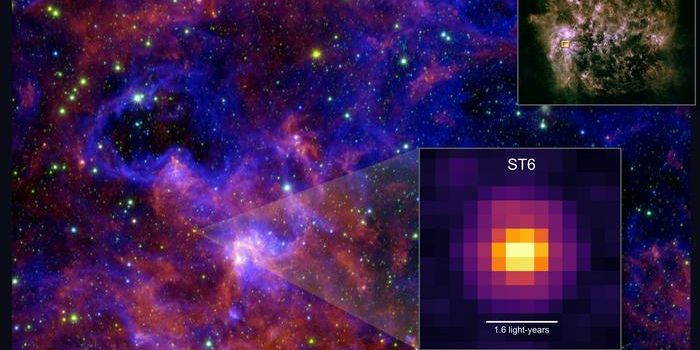
Led by Dr. Danna Qasim, the Nebular Origins of the Universe Research (NOUR) Laboratory will focus on astrochemistry, which is the study of how chemical molecules and elements form and evolve in space. This includes studying interstellar clouds, star-forming regions, protoplanetary disks, comets, asteroids, planetary atmospheres, planetary surface ice grains, and exoplanet atmospheres. Specific molecules of interest include water and carbon-rich molecules like methane and cardon dioxide, along with prebiotic molecules like amino acids and sugars. Specifically, NOUR will focus on the initial processes of how planetary systems form from the interstellar gas and dust, along with how ice responds to cosmic radiation.
“We are examining the chemistry of ice, gas and dust that have existed since before our solar system formed, connecting the dots to determine how materials in those clouds ultimately evolve into planets,” said Dr. Qasim. “By simulating the physio-chemical conditions of these pre-planetary environments, we can fill key data gaps, providing insights that future NASA missions need to accomplish their goals.”
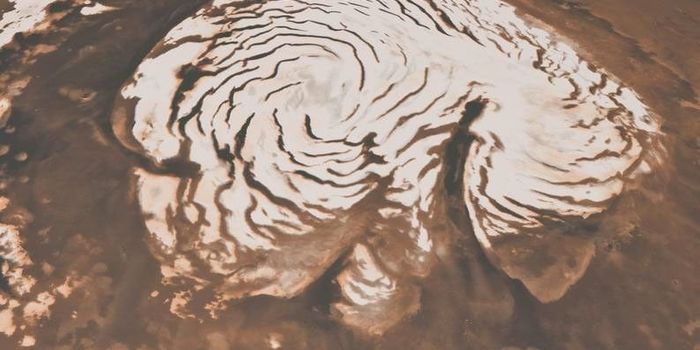
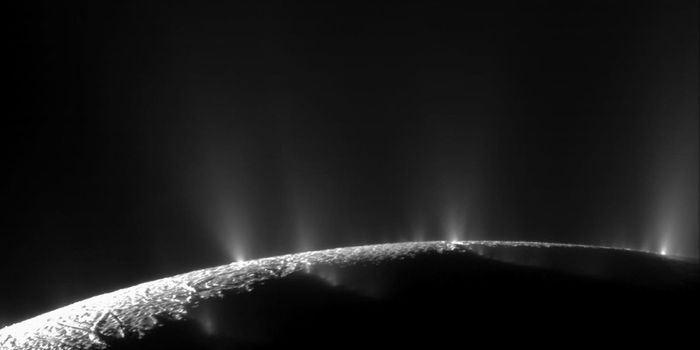
NOUR originated from the 2022 planetary science decadal survey, formally called the Origins, Worlds, and Life: A Decadal Strategy for Planetary Science and Astrobiology 2023–2032. The vision of this survey called for exploring planetary system formation and evolution, including planets and processes, life and habitability, and planetary defense & human exploration. While NOUR is lab-focused, some of the off-world missions being proposed are the Mars Sample Return, Enceladus Orbilander, and several other planetary missions to asteroids, comets, and Venus.
How will NOUR help scientists unravel some of the most intriguing questions regarding planetary system formation and evolution in the coming years and decades? Onlyt ime will tell, ad this is why we science!
As always, keep doing science & keep looking up!
Sources: EurekAlert!, Southwest Research Institute, National Academies
Featured Image: Dr. Danna Qasim (Credit: Southwest Research Institute)