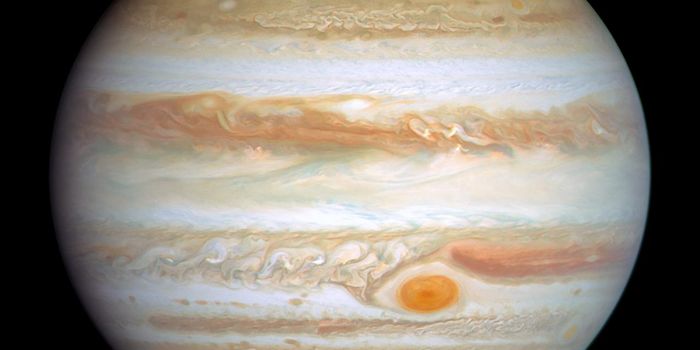
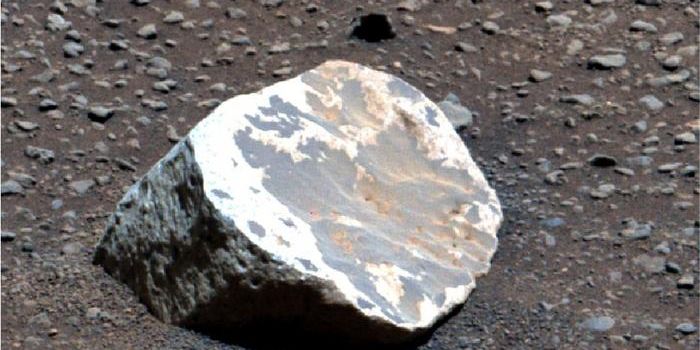
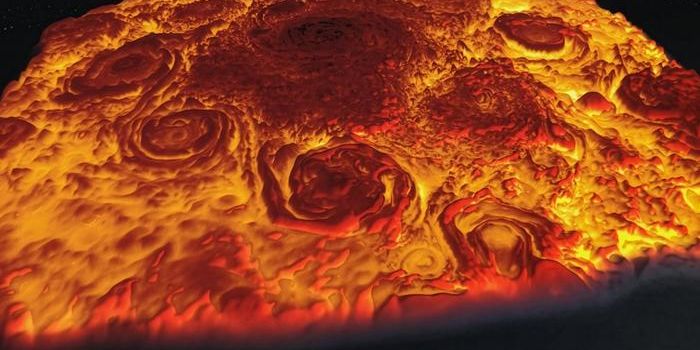
What does electrical activity and dust storms on Mars have in common? This is what a recent study published in Nature hopes to address as a team of scientists investigated a first-time detection of electrical activity within the Martian atmosphere. This study has the potential to help scientists better understand the atmospheric characteristics of Mars and what this could mean for other rocky worlds, as the only worlds aside from Earth where electrical activity has been detected are Jupiter and Saturn.
For the study, the researchers successfully detected electrical discharges in the Martian atmosphere by the NASA Perseverance rover’s SuperCam microphone a total of 55 times over two Martian years, with each Martian year lasting 687 Earth days. Additionally, the researchers found the electrical activity was linked with dust storms or dust devils, both of which are prevalent on Mars and the Red Planet’s most distinctive weather patterns.
“With its thin atmosphere of carbon dioxide, Mars is a cold, dry dusty world, where the wind is sometimes very strong, blowing in gusts and creating whirlwinds and rising dust bubbles,” said Dr. Agustín Sánchez-Lavega, who is a Professor Emeritus at the University of the Basque Country and a co-author on the study. “It can form fronts of giant storms hundreds of kilometers long, which sometimes cover the entire planet in dust. So, we are expecting the hitherto elusive electrical discharges to be particularly numerous when these environmental conditions occur.”
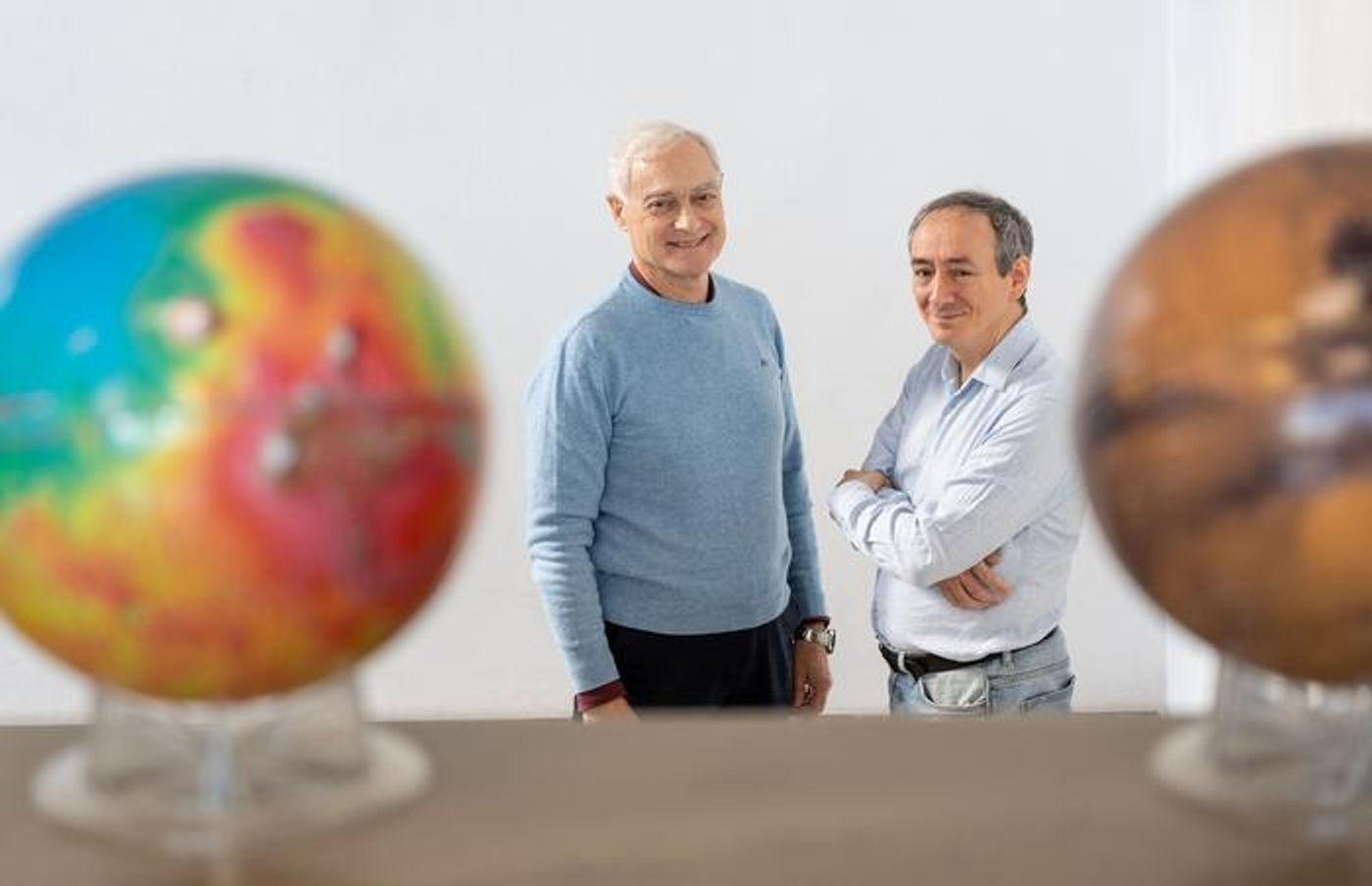
Study co-authors: Dr. Agustin Sánchez-Lavega and Dr. Ricardo Hueso. (Credit: Mitxi)
The researchers note how better understanding electrical discharges on Mars could impact our understanding of Mars’ habitability potential, specifically regarding organic molecules. Additionally, electrical discharges could also impact future crewed missions to the Red Planet, specifically regarding astronaut safety and well-being.
What new insight into Martian electrical activity will researchers make in the coming years and decades? Only time will tell, and this is why we science!
As always, keep doing science & keep looking up!
Sources: Nature, EurekAlert!