
Professor, Aarhus University, Dept. of Biomedicine (West), Director, DANDRITE, Danish Research Institute of Translational Neuroscience, (Nordic EMBL partnership for Molecular Medicine). Co-founder and core group leader, Aarhus University Hospital, Lundbeck Foundation Parkinson's Disease Research Center PACE.
BIOGRAPHY
MAR 04, 2026 5:30 AM PST
Alpha-synuclein, a key player in Parkinson's disease and dementia and its new presentations in tissue.
Presented at:
Neuroscience Virtual Event Series 2026
Abstract
Parkinson’s disease (PD) belongs the group of neurodegenerative synucleinopathies characterized by progressive aggregation of the neuronal protein alpha-synuclein (asyn) and spreading of such aggregates in the nervous system.
The symptomatology of synucleinopathies is characterized by both motor and non-motor symptoms and reflects that both the central and peripheral nervous systems are affected.
Histopathological diagnosis has hitherto been defined by loss of pigmented neurons in the locus coeruleus producing noradrenaline and dopamine in substantia nigra pars compacta, and by the presence of so-called Lewy pathology in affected areas consisting of Lewy bodies in the soma of neurons and Lewy neurites in axons. This Lewy pathology is detectable by antibodies toward asyn.
Recent immunohistochemical analyses based on proximity ligation assay techniques have revealed a wider presence of asyn aggregates than what is appreciated by the distribution of Lewy pathology and can even be detected in cases with no detectable Lewy bodies.
The nature of such asyn aggregates is unknown but could be related the asyn seeds present in CSF of pre-diagnostic cases that currently are detected by seed amplification asays.
The presentation will describe recent and novel findings on asyn aggregates in brain tissue and present a framework for how we may consider the nature and pathophysiological effects of such wide-spread aggregates.
Learning Objectives:
1. Describe the role of alpha-synuclein aggregation and spreading in the pathophysiology of Parkinson’s disease and related synucleinopathies.
2. Distinguish between classical Lewy pathology and newly identified alpha-synuclein aggregates detected by proximity ligation assay techniques.
3. Interpret recent findings on widespread alpha-synuclein aggregates in brain tissue and their potential relationship to early seeding events detected in cerebrospinal fluid.
You May Also Like
FEB 17, 2026 | 8:00 AM
In cell therapy applications, commonly employed cell purification platforms for large-scale isolation of immune or stem cells separate cells based on a single cell surface antigen. Enrichmen...
FEB 18, 2026 | 8:00 AM

With advancing food allergy research and emerging therapies, new allergy testing requirements arise. In this context, Basophil Activation Testing (BAT) has emerged as an essential component...
FEB 18, 2026 | 1:00 PM

Energy-efficient filtration solutions that reduce hidden chemical exposure from benchtop work and lab equipment to improve overall laboratory safety...
FEB 19, 2026 | 7:00 AM
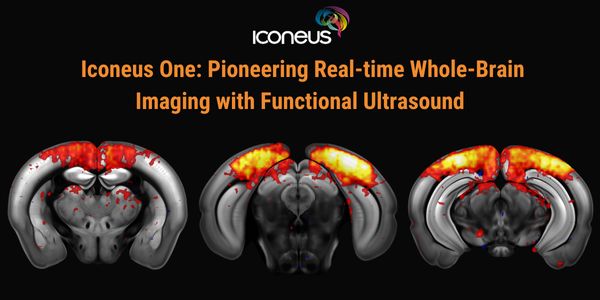
Discover how Iconeus One, the premier functional ultrasound (fUS) system for neuroscientists, is transforming brain function studies. Based on ultrafast plane-wave sonography, Iconeus One of...
FEB 19, 2026 | 8:00 AM
The collection of high-quality genomic DNA remains a major barrier in pediatric and neurodevelopmental research, particularly among children with autism spectrum disorder (ASD) and other neu...
FEB 23, 2026 | 9:00 AM
C.E. CREDITS

Explore decentralized liquid biopsy with SOPHiA GENETICS and MSK-ACCESS®, expanding access, improving outcomes, and accelerating precision oncology....
Loading Comments...