
Development Technologist Coordinator, Mayo Clinic's Mass Spectrometry Development Laboratory
BIOGRAPHY

Cancelled Mass Spectrometry Applications for Monoclonal Antibody Therapeutics: Which Road To Travel
Speakers
-

Dr. Maria Alice V. Willrich
Associate Professor of Laboratory Medicine and Pathology, Mayo ClinicBIOGRAPHY

Abstract
There are over 60 different therapeutic monoclonal antibodies approved by the FDA; treating a variety of diseases, including solid-organ tumors, hematological malignancies, rheumatological disorders, and autoimmune gastrointestinal diseases. The market for t-mAbs is rapidly growing; worldwide sales are expected to be over $100 billion in 2018, and there are over 500 new t-mAbs in several stages of development. Laboratorians are quite familiar with the concept of therapeutic drug monitoring for small molecules; the methodologies are well established, therapeutic ranges defined, and metabolic pathways for many have been elucidated in detail. However, this is not the case for t-mAbs. The clinical laboratory will have many roles as t-mAbs expand: identifying potential interferences in routine immunoassays; developing new assays to differentiate a t-mAb from an endogenous, disease-causing plasma cell clone; monitoring therapeutic drugs for better patient outcomes and assessing loss of response to therapy that is associated with formation of autoantibodies against the t-mAb. While proteins and peptides have traditionally been quantitated by immunoassays, tryptic peptide mass spectrometry has now also become well-established for proteins such as t-mAbs, with the advantage of not requiring antibody reagents. Tryptic peptide MS offers cost effective, high throughput, multiplexed assays when performed using triple-quadrupole mass spectrometers, which have been the instrument of choice in the clinical laboratories for many years due to their proven track record of providing precise and accurate quantitative results. The peptide method is limited when developing assays for humanized/human t-mAbs containing less than 5% of animal sequences. Therefore, alternative approaches for t-mAb quantitation needed to be developed along with extraction techniques. One of those approaches is the measurement of the immunoglobulin intact light chain by time-of-flight or orbitrap MS.
Learning Objectives:
- List different types of monoclonal antibody therapeutics and their clinical applications
- Describe mass spectrometry methods available for the assessment of monoclonal antibody therapeutics; e.g. peptide vs. intact
- Discuss the different quantitation approaches to develop a new mas spectrometry assay for t-mAb assessment and which instruments to use
For Research Use Only. Not for use in diagnostic procedures.
You May Also Like
FEB 17, 2026 | 8:00 AM

In cell therapy applications, commonly employed cell purification platforms for large-scale isolation of immune or stem cells separate cells based on a single cell surface antigen. Enrichmen...
FEB 18, 2026 | 8:00 AM

With advancing food allergy research and emerging therapies, new allergy testing requirements arise. In this context, Basophil Activation Testing (BAT) has emerged as an essential component...
FEB 18, 2026 | 1:00 PM

Energy-efficient filtration solutions that reduce hidden chemical exposure from benchtop work and lab equipment to improve overall laboratory safety...
FEB 19, 2026 | 7:00 AM
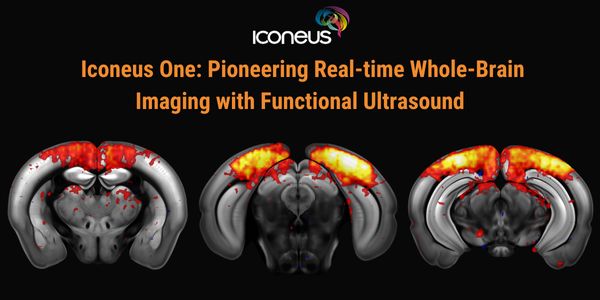
Discover how Iconeus One, the premier functional ultrasound (fUS) system for neuroscientists, is transforming brain function studies. Based on ultrafast plane-wave sonography, Iconeus One of...
FEB 19, 2026 | 8:00 AM

The collection of high-quality genomic DNA remains a major barrier in pediatric and neurodevelopmental research, particularly among children with autism spectrum disorder (ASD) and other neu...
FEB 23, 2026 | 9:00 AM
C.E. CREDITS

Explore decentralized liquid biopsy with SOPHiA GENETICS and MSK-ACCESS®, expanding access, improving outcomes, and accelerating precision oncology....
Cancelled Mass Spectrometry Applications for Monoclonal Antibody Therapeutics: Which Road To Travel
Loading Comments...