
Professor, Chair of Stem Cell Sciences, Program Leader, Stem Cells Australia, The University of Melbourne, Walter and Eliza Hall Institute of Medical Research, Florey Neuroscience and Mental
BIOGRAPHY

AUG 30, 2016 8:00 AM PDT
Endoderm Progenitors in Health and Disease
Presented at:
4th Annual 24 Hours of Stem Cells™ virtual event
Speaker
Abstract
Using human pluripotent stem cells as a screening platform, we have identified a novel cell surface maker that identifies foregut endoderm progenitors in pancreas and liver. We have shown that cells of the biliary reaction, a regenerative response to liver damage, premalignant and pancreatic ductal adenocarcinoma cells, and the columnar epithelium of Barrett’s Oesophagus, a preneoplastic precursor of oesophageal carcinoma, all express this antigen on their surface. The antigen is expressed in liver and pancreas during development, and is also found in the serum of patients with pancreatic or liver cancer. Cell surface antigens expressed on fetal stem or progenitors cells provide biomarkers of tissue regenerative processes, and can be used to monitor progression neoplasia if repair processes fail to resolve the underlying pathology.
You May Also Like
FEB 17, 2026 | 8:00 AM

In cell therapy applications, commonly employed cell purification platforms for large-scale isolation of immune or stem cells separate cells based on a single cell surface antigen. Enrichmen...
FEB 18, 2026 | 8:00 AM

With advancing food allergy research and emerging therapies, new allergy testing requirements arise. In this context, Basophil Activation Testing (BAT) has emerged as an essential component...
FEB 18, 2026 | 1:00 PM

Energy-efficient filtration solutions that reduce hidden chemical exposure from benchtop work and lab equipment to improve overall laboratory safety...
FEB 19, 2026 | 7:00 AM
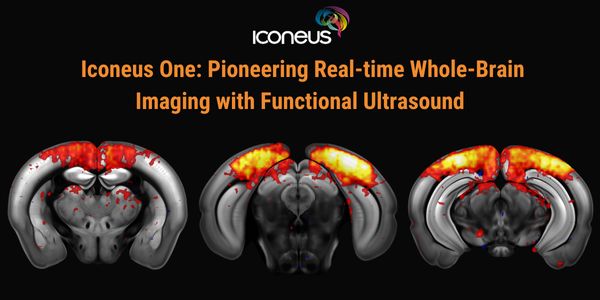
Discover how Iconeus One, the premier functional ultrasound (fUS) system for neuroscientists, is transforming brain function studies. Based on ultrafast plane-wave sonography, Iconeus One of...
FEB 19, 2026 | 8:00 AM
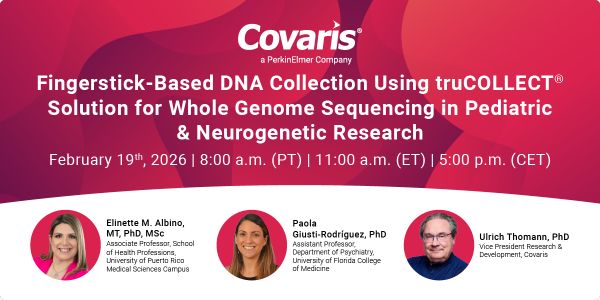
The collection of high-quality genomic DNA remains a major barrier in pediatric and neurodevelopmental research, particularly among children with autism spectrum disorder (ASD) and other neu...
FEB 23, 2026 | 9:00 AM
C.E. CREDITS

Explore decentralized liquid biopsy with SOPHiA GENETICS and MSK-ACCESS®, expanding access, improving outcomes, and accelerating precision oncology....
Loading Comments...