
President, New Jersey Innovation Institute
BIOGRAPHY
FEB 18, 2026 5:30 AM PST
The Future of Non-Animal Models: Real Opportunities, Real Constraints, and the Path Forward
Presented at:
Drug Discovery & Development Virtual Event Series 2026
Speaker
Abstract
Non-animal methodologies are experiencing renewed enthusiasm driven by advances in AI, machine learning, and increasingly sophisticated cell-based systems. While these technologies represent genuine opportunities to improve translational relevance and reduce animal use, their current capabilities are often overstated. This presentation examines where non-animal models are truly creating value today, where they are falling short, and what must change for broader adoption to occur.
A major focus of the talk is the growing gap between expectations and reality for AI in drug discovery. Unlike large language models that were trained on vast, relatively clean datasets derived from the internet, biological data is scarce, noisy, heterogeneous, and deeply context-dependent. The underlying rules of biology are only partially understood, and the available datasets are orders of magnitude smaller than what would be required to fully train predictive systems. As a result, AI remains fundamentally constrained by data availability and biological uncertainty, limiting its ability to replace experimental systems rather than augment them.
The presentation also addresses advanced cell culture models, including organoids, microphysiological systems, and other complex in vitro platforms. While regulatory frameworks are often blamed for slow adoption, the primary barrier has been inconsistent performance and limited validation relative to established in vivo models. Similar to other technology transitions, regulation reflects technical maturity more than it dictates it.
The session concludes with a realistic outlook on how non-animal models can evolve, emphasizing validation, hybrid approaches, and incremental integration rather than wholesale replacement of existing paradigms.
Learning Objectives:
1. Analyze the fundamental data and biological constraints that limit the current impact of AI-driven approaches in drug discovery.
2. Evaluate why advanced cell culture and microphysiological systems have not yet achieved widespread adoption as replacements for animal models.
3. Assess realistic pathways for integrating non-animal models into drug development workflows based on validation, performance, and translational relevance.
You May Also Like
FEB 17, 2026 | 8:00 AM

In cell therapy applications, commonly employed cell purification platforms for large-scale isolation of immune or stem cells separate cells based on a single cell surface antigen. Enrichmen...
FEB 18, 2026 | 8:00 AM
With advancing food allergy research and emerging therapies, new allergy testing requirements arise. In this context, Basophil Activation Testing (BAT) has emerged as an essential component...
FEB 18, 2026 | 1:00 PM

Energy-efficient filtration solutions that reduce hidden chemical exposure from benchtop work and lab equipment to improve overall laboratory safety...
FEB 19, 2026 | 7:00 AM
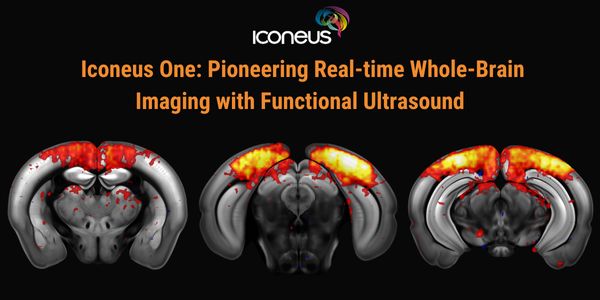
Discover how Iconeus One, the premier functional ultrasound (fUS) system for neuroscientists, is transforming brain function studies. Based on ultrafast plane-wave sonography, Iconeus One of...
FEB 19, 2026 | 8:00 AM
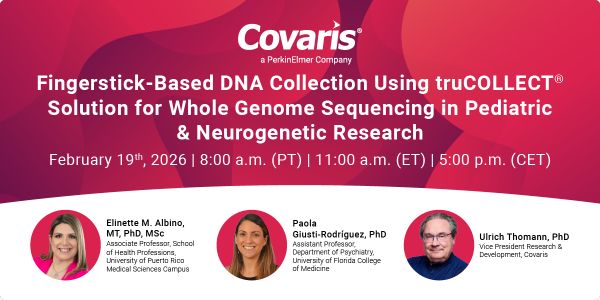
The collection of high-quality genomic DNA remains a major barrier in pediatric and neurodevelopmental research, particularly among children with autism spectrum disorder (ASD) and other neu...
FEB 23, 2026 | 9:00 AM
C.E. CREDITS

Explore decentralized liquid biopsy with SOPHiA GENETICS and MSK-ACCESS®, expanding access, improving outcomes, and accelerating precision oncology....
Loading Comments...