
Professor of Chemistry and Associate Director of the National Center for Forensic Science
BIOGRAPHY
Speaker
Abstract
Presented in the Channel: Forensic Lab. Body fluid identification (BFID) of suspected probative physiological stains used to be a sine qua non in routine forensic biology practice. However, since the advent of DNA profiling and its associated ability to determine whether human DNA is present in a stain, its routine use seems to have waned. However, this informal discussion will explore why BFID still has an important role to play in forensic investigations, especially in providing some context as to how a DNA profile could (or could not) have gotten deposited. More traditionally, it might continue to have applications in triaging evidence items for DNA testing. Although the principal subject of the discussion is mRNA profiling, other next-gen BFID methods will be mentioned. These next-gen methods are not your father's BFID and have an advantage over traditional serological methods in providing more definitive identification, and a wider range of identifiable forensically-relevant body fluids and tissues. Case scenarios will be used to exemplify how mRNA profiling for BFID could be used in real cases, indicating the reasons why CE or NGS based methods would be recommended. Finally, we will describe an NGS assay based upon coding region SNPs in body fluid mRNA transcripts we have developed that is able to directly associate body fluids to specific DNA donors in mixtures. An example of a case-type scenario where person specific attribution of each of the body fluids in a mixture would be of significant contextual importance will be described. Hopefully the discussion will persuade the listener to consider why they should use BFID in selected casework analysis, and if it could provide additional useful contextual information, why-not try it?
You May Also Like
FEB 17, 2026 | 8:00 AM
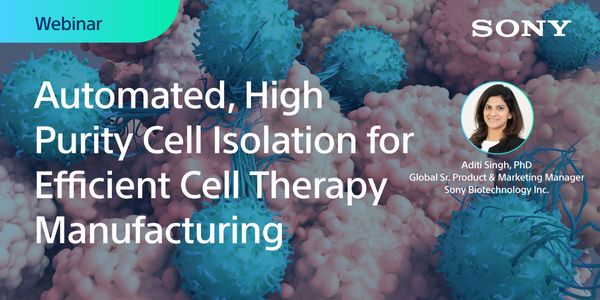
In cell therapy applications, commonly employed cell purification platforms for large-scale isolation of immune or stem cells separate cells based on a single cell surface antigen. Enrichmen...
FEB 18, 2026 | 8:00 AM
With advancing food allergy research and emerging therapies, new allergy testing requirements arise. In this context, Basophil Activation Testing (BAT) has emerged as an essential component...
FEB 18, 2026 | 1:00 PM

Energy-efficient filtration solutions that reduce hidden chemical exposure from benchtop work and lab equipment to improve overall laboratory safety...
FEB 19, 2026 | 7:00 AM
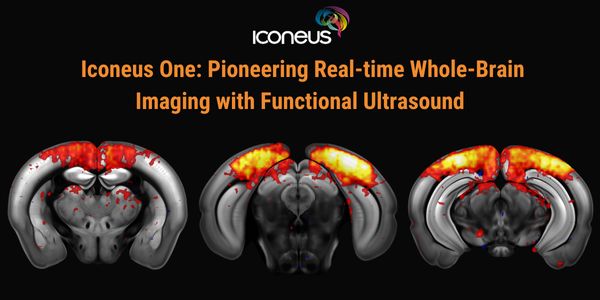
Discover how Iconeus One, the premier functional ultrasound (fUS) system for neuroscientists, is transforming brain function studies. Based on ultrafast plane-wave sonography, Iconeus One of...
FEB 19, 2026 | 8:00 AM
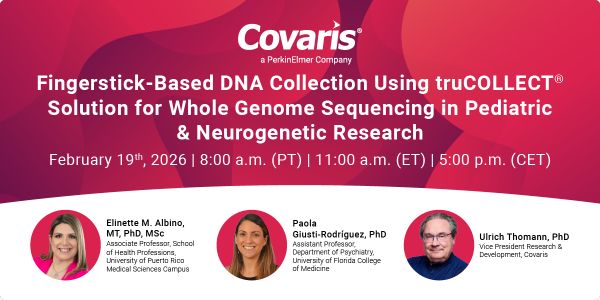
The collection of high-quality genomic DNA remains a major barrier in pediatric and neurodevelopmental research, particularly among children with autism spectrum disorder (ASD) and other neu...
FEB 23, 2026 | 9:00 AM
C.E. CREDITS

Explore decentralized liquid biopsy with SOPHiA GENETICS and MSK-ACCESS®, expanding access, improving outcomes, and accelerating precision oncology....
Loading Comments...