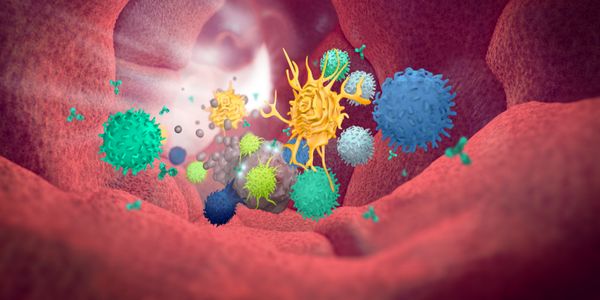
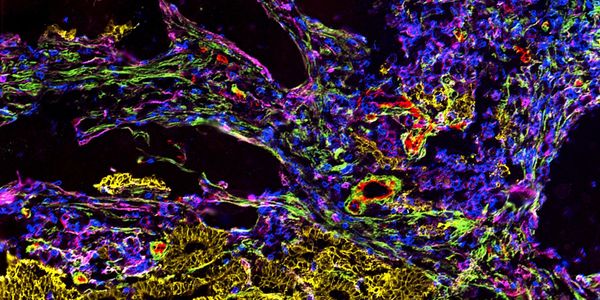
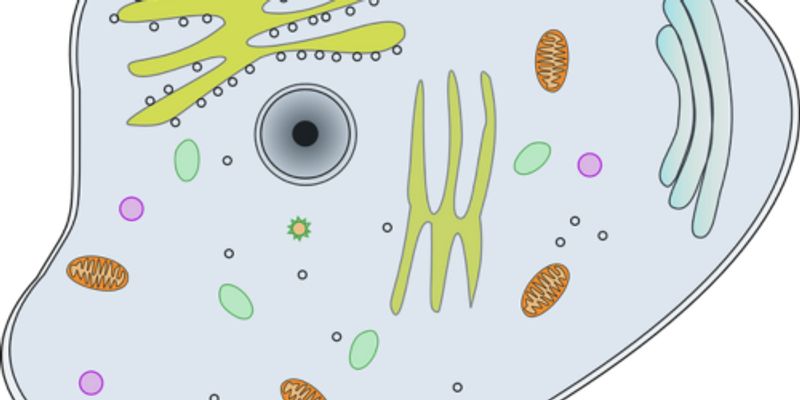
Cellular analysis is used to evaluate and measure cell number, state, health, and the viabiity, proliferation, and toxicity of a given cell. It provides lots of information in basic laboratory research, drug discovery and development, and within clinical applications.
From data to insight: Explore the full potential of high dimensional data by leveraging machine learning algorithms 1:30–2:00 pm PDT Presented By: Qianjun Zhang, MS Utilizing FCS Expre...
Suspension by day, imaging by night: how to efficiently manage your system and optimize utilization Presented By: Jared K. Burks, PhD Mass cytometry, be it suspension or imaging, opens the d...
On measuring photons and ions: Impact on panel design, signal detection and data quality 10:30–11:00 am PDT Presented By: Tim Bushnell, PhD, MBA Monitoring immunotherapy with a mass cy...
A central goal in single-cell cancer research is to identify phenotypically distinct cells that have prognostic significance for patients. This need is acute in brain tumor glioblastoma, whe...
Come join us for a live chat with Bernd Bodenmiller. When you enter the meeting room you can raise your hand to be unmuted by our moderator to ask your questions or just introduce yourself a...
Single-cell mass cytometry identifies mechanisms of resistance to immunotherapy in AML 6:30–7:00 am PDT Presented By: Shelley Herbrich, PhD Understanding CD19 negative relapse followin...
Chronic kidney disease (CKD) is a major public health threat, affecting 11-15% of the U.S. population alone. Currently, there are no effective therapies to cure CKD. Drug therapies are not p...
Chronic kidney disease (CKD) is a global health threat, affecting over 10% of the world population, including an estimated 37 million Americans. Importantly, glomerular diseases account for...
The extracellular matrix (ECM) is a three-dimensional structure that provides physical support for tissues/organs and biochemical/biomechanical cues for tissue morphogenesis, differentiation...
DATE: August 22, 2020 TIME: 9:00am PDT The western blotting technique that began as a means of detecting the protein of interest in a complex sample that may contain numerous other proteins...
Learning Objectives: 1. Understanding the integral value of collaboration for advancement in scientific research; how to establish and grow academic, Pharma, and industry connections 2. Lear...
Severe Acute Respiratory Syndrome Coronavirus 2 (SARS-CoV-2) is the cause of Coronavirus Disease 2019 (COVID-19) and responsible for the current pandemic. Here, we present an in-depth study...
The Allen Institute for Cell Science is generating a state space of stem cell signatures. The goal is to understand cell organization, identify cell states, and elucidate how cells transitio...
Imaging offers a means to draw upon the growing body of high-throughput molecular data to better understand the underlying cellular and molecular mechanisms of embryonic development; however...
Date: September 16, 2020 Time: 9:00am PTD, 12:00pm EDT Harnessing the power of the host immune system to treat diseases has been transformational in patient care. Physiologically relevant ce...
DATE: September 15, 2020 TIME: 08:00am PT Tumorigenesis and cancer progression are affected by the tumor immune microenvironment (TIME). The TIME not only influences the efficiency of existi...
While live cell imaging offers advantages over traditional static imaging, this approach has been challenging for studying microbes due to the difficulty in tracking very small cells in a si...
In this webinar, we will present QIAGEN CLC Genomics Workbench and its utility for bacterial isolate identification, strain discrimination using core genome multi-locus typing (cgMLST) and d...
Learning Objectives: 1. Understand the challenges of extracting DNA from human samples for microbiome analysis, and learn about the best technologies for accomplishing this 2. Learn about pr...
The transfer of antimicrobial resistance genes (ARG) to pathogenic microbes is a major concern in modern medicine. Antibiotic therapies are often rendered ineffective by horizontal acquisiti...
Microbial biofilms form on all aquatic surfaces and can harbor pathogenic bacteria. In the aquaculture industry, Flavobacteria species can cause serious diseases and lead to high mortality....
From data to insight: Explore the full potential of high dimensional data by leveraging machine learning algorithms 1:30–2:00 pm PDT Presented By: Qianjun Zhang, MS Utilizing FCS Expre...
Suspension by day, imaging by night: how to efficiently manage your system and optimize utilization Presented By: Jared K. Burks, PhD Mass cytometry, be it suspension or imaging, opens the d...
On measuring photons and ions: Impact on panel design, signal detection and data quality 10:30–11:00 am PDT Presented By: Tim Bushnell, PhD, MBA Monitoring immunotherapy with a mass cy...
A central goal in single-cell cancer research is to identify phenotypically distinct cells that have prognostic significance for patients. This need is acute in brain tumor glioblastoma, whe...
Come join us for a live chat with Bernd Bodenmiller. When you enter the meeting room you can raise your hand to be unmuted by our moderator to ask your questions or just introduce yourself a...
Single-cell mass cytometry identifies mechanisms of resistance to immunotherapy in AML 6:30–7:00 am PDT Presented By: Shelley Herbrich, PhD Understanding CD19 negative relapse followin...
Chronic kidney disease (CKD) is a major public health threat, affecting 11-15% of the U.S. population alone. Currently, there are no effective therapies to cure CKD. Drug therapies are not p...
Chronic kidney disease (CKD) is a global health threat, affecting over 10% of the world population, including an estimated 37 million Americans. Importantly, glomerular diseases account for...
The extracellular matrix (ECM) is a three-dimensional structure that provides physical support for tissues/organs and biochemical/biomechanical cues for tissue morphogenesis, differentiation...
DATE: August 22, 2020 TIME: 9:00am PDT The western blotting technique that began as a means of detecting the protein of interest in a complex sample that may contain numerous other proteins...
Learning Objectives: 1. Understanding the integral value of collaboration for advancement in scientific research; how to establish and grow academic, Pharma, and industry connections 2. Lear...
Severe Acute Respiratory Syndrome Coronavirus 2 (SARS-CoV-2) is the cause of Coronavirus Disease 2019 (COVID-19) and responsible for the current pandemic. Here, we present an in-depth study...
The Allen Institute for Cell Science is generating a state space of stem cell signatures. The goal is to understand cell organization, identify cell states, and elucidate how cells transitio...
Imaging offers a means to draw upon the growing body of high-throughput molecular data to better understand the underlying cellular and molecular mechanisms of embryonic development; however...
Date: September 16, 2020 Time: 9:00am PTD, 12:00pm EDT Harnessing the power of the host immune system to treat diseases has been transformational in patient care. Physiologically relevant ce...
DATE: September 15, 2020 TIME: 08:00am PT Tumorigenesis and cancer progression are affected by the tumor immune microenvironment (TIME). The TIME not only influences the efficiency of existi...
While live cell imaging offers advantages over traditional static imaging, this approach has been challenging for studying microbes due to the difficulty in tracking very small cells in a si...
In this webinar, we will present QIAGEN CLC Genomics Workbench and its utility for bacterial isolate identification, strain discrimination using core genome multi-locus typing (cgMLST) and d...
Learning Objectives: 1. Understand the challenges of extracting DNA from human samples for microbiome analysis, and learn about the best technologies for accomplishing this 2. Learn about pr...
The transfer of antimicrobial resistance genes (ARG) to pathogenic microbes is a major concern in modern medicine. Antibiotic therapies are often rendered ineffective by horizontal acquisiti...
Microbial biofilms form on all aquatic surfaces and can harbor pathogenic bacteria. In the aquaculture industry, Flavobacteria species can cause serious diseases and lead to high mortality....
Opens in a new windowOpens an external siteOpens an external site in a new window
 Follow