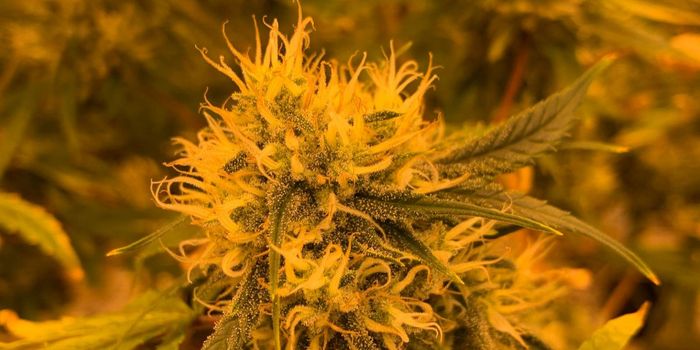
How can hemp roots be used to treat pediatric cancer? This is what a recent study published in the Journal of Cannabis Research hopes to address as a team of researchers investigated how the phytochemical compounds found in hemp roots could be used for pharmaceutical purposes, specifically cancer treatment. This study has the potential to help scientists, medical professionals, legislators, and the public better understand the health benefits of cannabis and the steps to enhance their role in medical research.
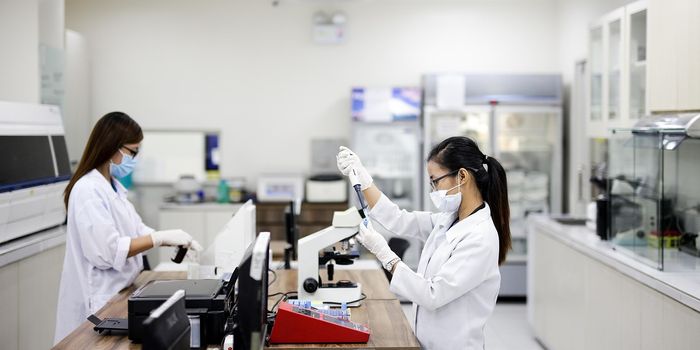
For the study, the researchers conducted a series of laboratory experiments using a mass spectrometer to test and identify chemical compounds within cannabis. This is because mass spectrometry is highly sensitive and can be used to identify specific compounds. The goal of the study was to ascertain how cannabis’ applications in the pharmaceutical industry. In the end, the researchers tested four hemp root compounds and four cancer cell lines and discovered that the hemp root compounds successfully reduced the number of cancer cells.
The study notes, “While our findings demonstrate the cytotoxic effects of hemp-derived compounds on multiple pediatric cancer cell lines, the underlying mechanisms driving these effects remain to be elucidated. Future studies will focus on detailed mechanistic investigations including cell cycle analysis, apoptosis and necrosis assays, and pathway-level interrogations to uncover the molecular basis of this cytotoxicity.”
This study builds on a growing body of research exploring how cannabis can be used for cancer treatment. This includes a 2025 study published in Life Sciences that explored animal & cell evidence for cannabidiol (CBD) in cancer biology, with their key findings being that CBD offers a myriad of benefits serving as anti-cancer mechanisms.
How will hemp roots help enhance cancer treatment in the coming years and decades? Only time will tell, and this is why we science!
As always, keep doing science & keep looking up!
Sources: Journal of Cannabis Research, Marijuana Moment, Life Sciences