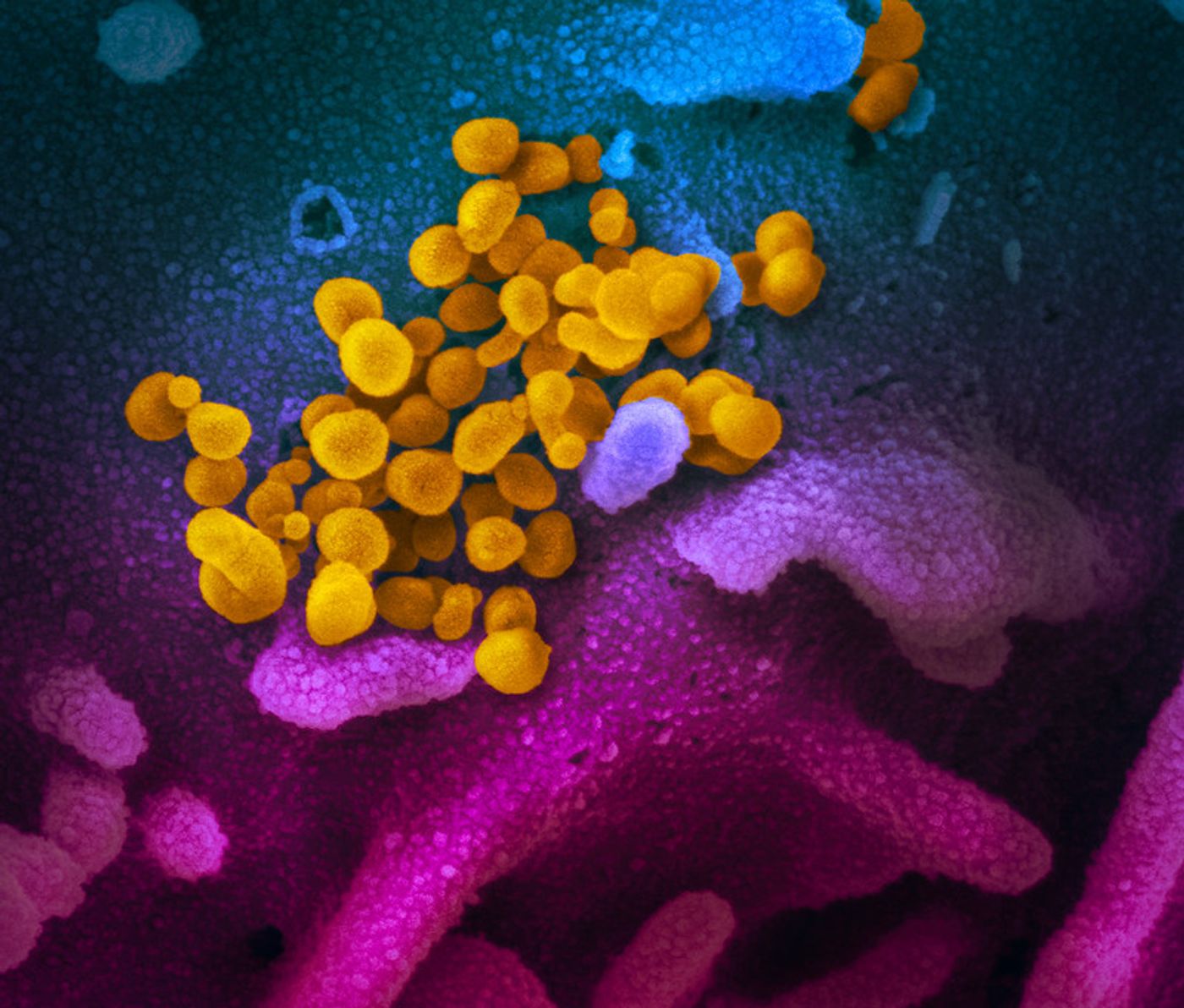
Long COVID continues to afflict many people, and confound doctors. We have learned more about various trajectories the illness can take, who is at risk, and ways to reduce the risk of the illness, such as by getting vaccinated. But there is still a lot we don’t know about why long COVID symptoms can persist for so long. Now, experts have conducted a review of research findings, and have suggested that other infections that happen before or during a case of COVID may be to blame for long COVID. The findings have been reported in eLife.
Long COVID can cause an array of different symptoms in different people; it can be mild to severe; and can happen after any COVID infection. Symptoms of long COVID are diverse and wide-ranging, and can include fatigue, dizziness; brain fog; gastrointestinal issues; chest tightness and cough; pain in muscles, joints, feet, and the back; among many other symptoms. These symptoms could also be so diverse and affect such a wide range of systems including cardiac, respiratory, neurological and gastrointestinal, because they are caused by COVID along with another infection that may not always be the same in different patients.
"This is an aspect of long COVID that is not talked about a lot," said corresponding study author Maria Laura Gennaro, a microbiologist at the Rutgers New Jersey Medical School who chaired the Microbiology Task Force for the National Institutes of Health's effort to learn more about long COVID, a study called Researching COVID to Enhance Recovery (RECOVER).
This study suggested that Epstein-Barr virus (EBV), which causes mononucleosis and could contribute to the development of other diseases, is one of the main culprits. As many as 95% of all adults could be carrying the remnants of an EBV infection. Even though people may recover from mononucleosis, or never show any symptoms of an EBV infection at all, the virus can hide out in the body until it senses an opening. That might be provided by a COVID infection, when EBV reactivates and causes health problems.
One study, for example, determined that two-thirds of long COVID patients had biomarkers of recent EBV activity, and antibody levels against EBV were higher in people who had more severe long COVID symptoms. Other research has connected the reactivation of EBV with hallmarks of long COVID, like cognitive issues and fatigue.
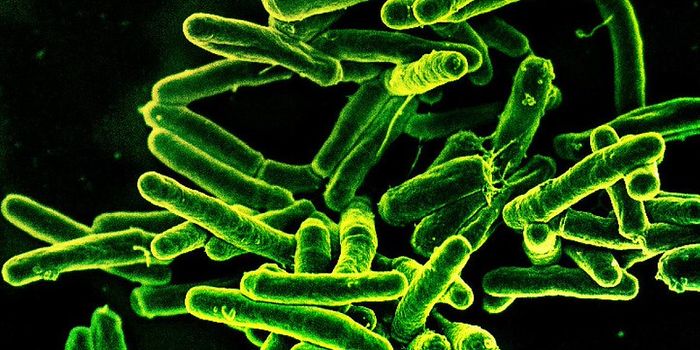
Another co-infection culprit may be tuberculosis (TB). Around 25% of all people are thought to carry latent TB. Research has indicated that COVID can disrupt the immune system, particularly immune cells that would normally fight TB; this may reactivate TB, and when TB and COVID infections happen together, one virus can make the other more severe.
When these infections occur also matters. Some pathogens can weaken the immune system, so infections that happen prior to a COVID illness might compromise the immune system and leave it vulnerable to other infections. But if another infection happens during the acute phase of COVID, there might be more tissue damage in the body. Finally, if an infection arises following COVID, the immune dysfunction caused by COVID may be even worse.
The research also showed that 44 nations are experiencing huge increases in infectious disease rates. There are thirteen infectious diseases that are ten times more active now compared to pre-pandemic rates. That could be due in part to the immune problems caused by COVID, and a loss of immunity to previous infections.
The study also suggested that looking for these co-infections and treating them appropriately could help reduce long COVID symptoms. However, these findings are still speculative, and have not been conclusively proven.
"Everyone has heard it a million times, but it bears repeating: Correlation doesn't equal causation," Gennaro said.
Experienced research scientist and technical expert with authorships on over 30 peer-reviewed publications, traveler to over 70 countries, published photographer and internationally-exhibited painter, volunteer trained in disaster-response, CPR and DV counseling.