Elevating research standards: the critical role of data integrity
In research, digital images, including gel electrophoresis and Western blot images, are not only illustrations but central evidence of data, which must be verified and reproducible. Peer-reviewed journals are vigilant about flagging manipulated or inconsistently edited images that can lead to publication delays, retractions, and damaged reputations.
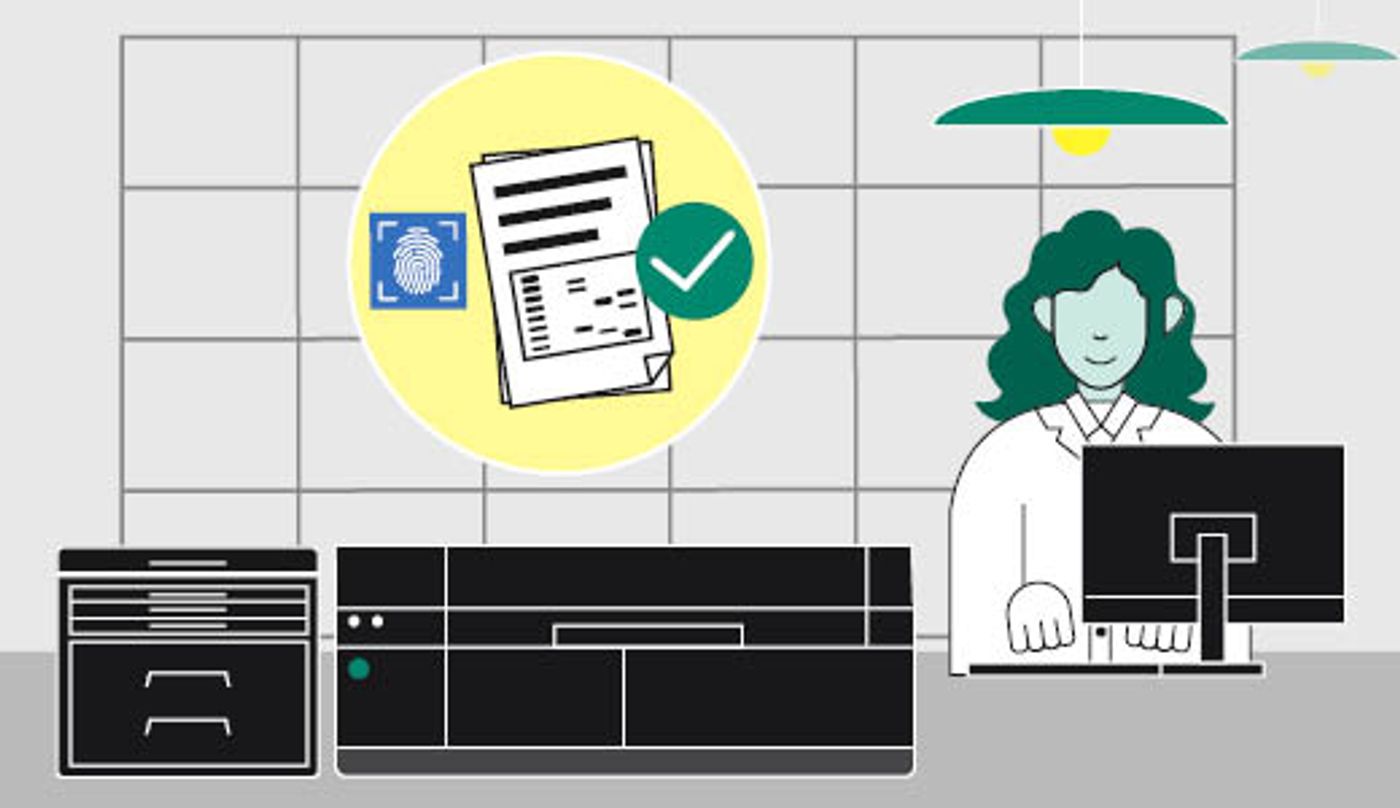 The challenge of digital data integrity is growing as artificial intelligence (AI) enters the scientific workflow. AI-powered tools can now generate or modify blot images with remarkable realism, blurring the line between authentic data and synthetic content. While these technologies offer efficiency and creativity, they also introduce new risks.
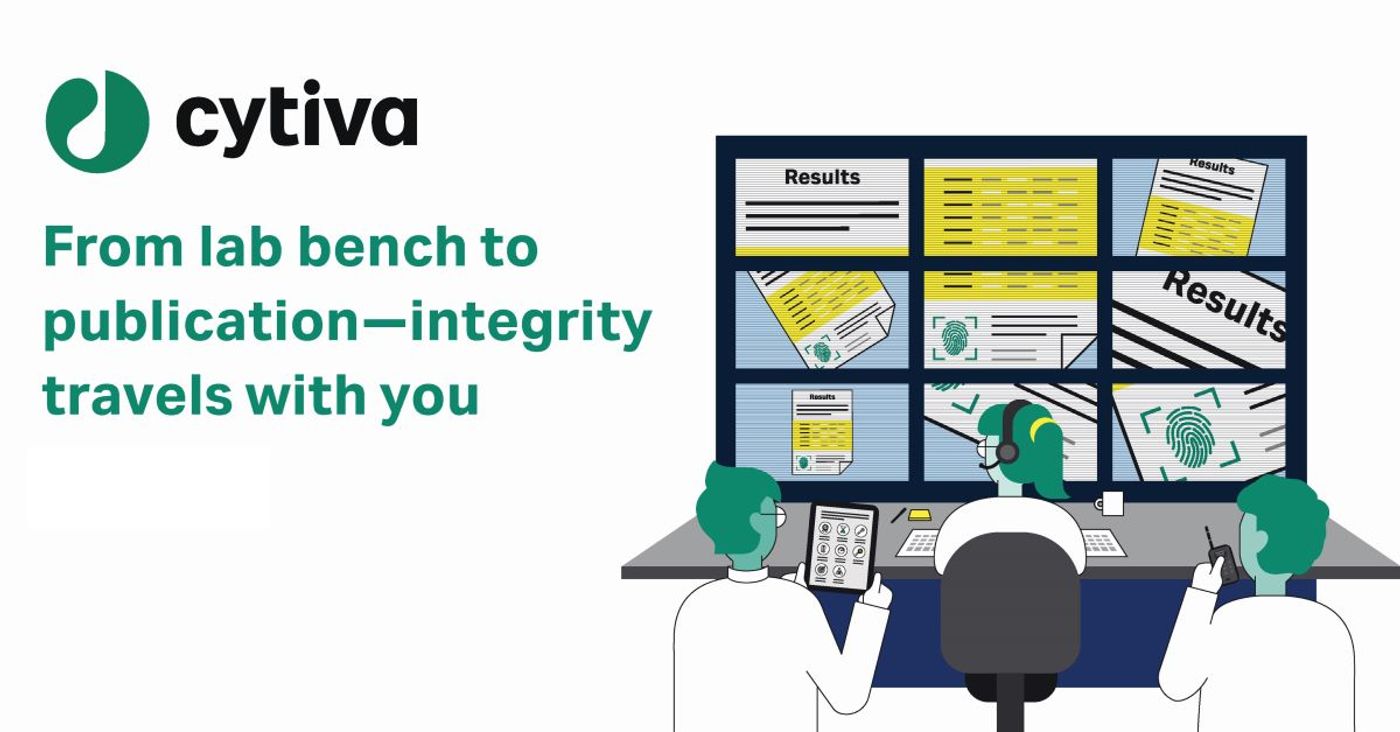
Protecting your lab data shouldn’t be complicated. The Image Integrity Checker from Cytiva quickly verifies your images with a simple upload and automated report, that gives journals confidence that your data is authentic and manipulation-free.
The rising risk of image manipulation in research
Even minor adjustments to images can be flagged during peer review, resulting in significant delays, rejections, and corrections to manuscripts. Many researchers fall into the trap of unintentionally over-editing images, even the simplest changes can be perceived as image manipulation, including altering the contrast, cropping, and duplicating content1,2. A study found that 5.7% of 1364 published papers contained at least one image with suspected image manipulation3. This not only harms the reputation of a scientist and their research teams but can also damage the public's confidence and trust in science4.
How the Image Integrity Checker from Cytiva works
Cytiva has developed a free easy-to-use tool that supports researchers and journals by reviewing image files for signs of editing or inconsistencies. The image checker uses a cryptographic hash algorithms (SHA), similar to a digital fingerprint embedded in image files to ensure images have not been altered. The image integrity checker will:
- Verify authenticity of raw data images: Confirms images have not been altered after capture. Uses SHA to generate and check unique digital fingerprints.
- Provide a clear integrity report: Shows whether the image matches its original fingerprint and indicates if any changes occurred (even minor edits).
- Facilitate compliance with journal requirements: Many journals now request proof of image authenticity. The report serves as evidence for reviewers and editors.
- Accelerate manuscript submission: Eliminates back-and-forth with reviewers about image integrity. Reduces risk of rejection due to suspected image manipulation.
- Support GxP and audit traceability: Embedded metadata and security tags help maintain compliance.
- Works with Cytiva imaging systems: Compatible with Amersham™ Typhoon™ biomolecular imagers and Amersham™ ImageQuant™ 800 Western blot imaging systems
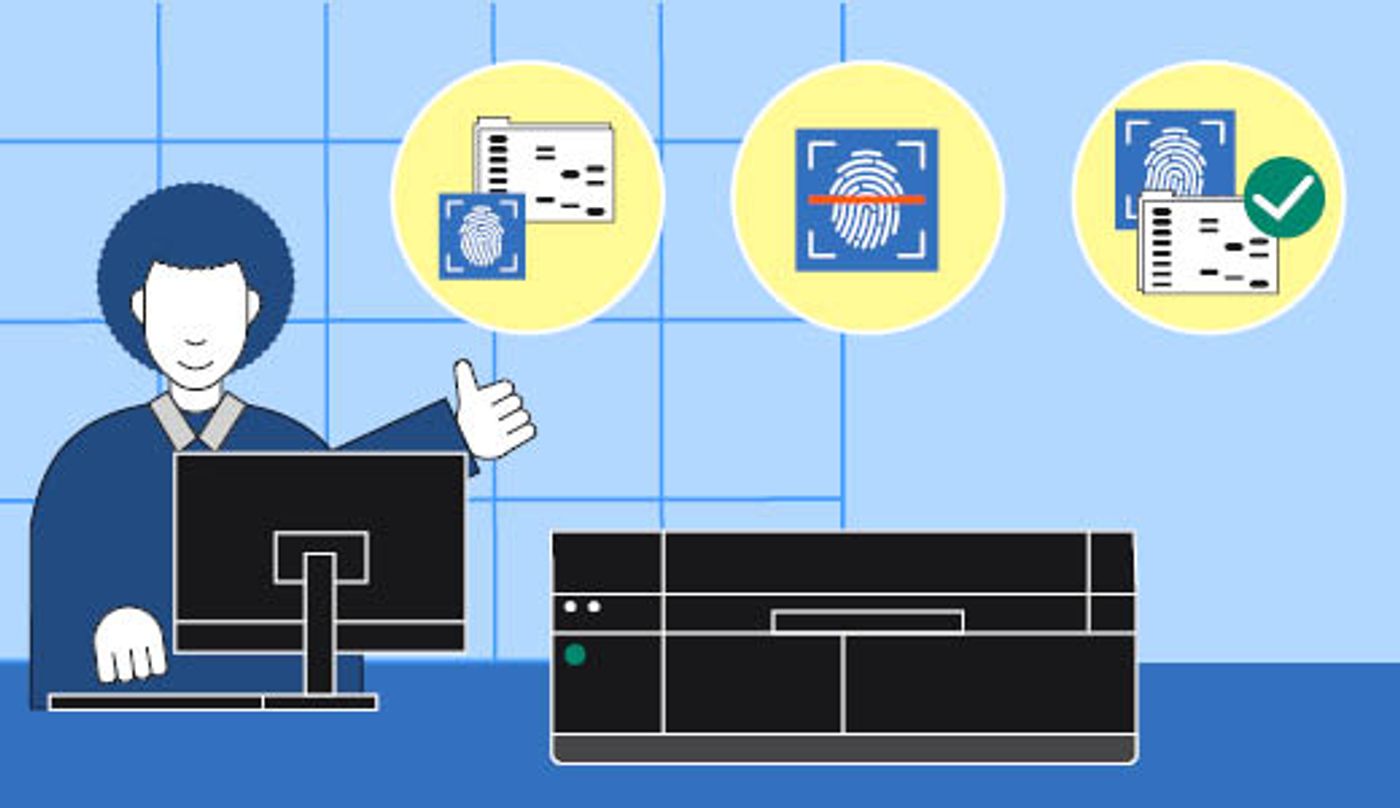
Just simply import your raw image, run the checker, and obtain the report. The report generated helps you resolve issues prior to submission and can be submitted alongside the manuscript, providing evidence and confidence to journals that your images are verifiable and haven’t been manipulated.
Why it matters: Benefits for researchers and journals
Protect your reputation
By ensuring raw image files are kept intact and not manipulated, this can prevent publication setbacks. It’s common in research groups for projects to be shared among multiple group members, so inconsistencies and errors can easily occur. Committing to research transparency and best practices is the easiest way forward to protect integrity and reputation.
Fewer surprises during peer review
By using the Image Integrity Checker, you can speed up time to publication and reduce back-and-forth with editors, avoiding time-consuming revisions and the risk of publication rejection. For more information, read the white paper, , which outlines how understanding image file design and utilizing tools help researchers protect the integrity of their raw data, ensuring the authenticity of their scientific images.
Conclusion: Simple action, powerful impact
Image manipulation concerns don’t have to derail your science. By integrating tools like our Image Integrity Checker into routine lab workflows, you can protect your data, time, and reputation, and keep manuscripts moving forward.
To learn more, read our white paper for tips and best practices for analyzing images. Try our free Image Integrity Checker to confirm your figures are verifiable, authentic, and publication-ready.
Sources
1. Parrish D, Noonan B. Image Manipulation as Research Misconduct. Sci Eng Ethics. 2009;15(2):161-167. doi:10.1007/s11948-008-9108-z
2. Bucci EM. Automatic detection of image manipulations in the biomedical literature. Cell Death Dis. 2018;9(3):400. doi:10.1038/s41419-018-0430-3
3. Bucci EM. Automatic detection of image manipulations in the biomedical literature. Cell Death Dis. 2018;9(3):400. doi:10.1038/s41419-018-0430-3
4. Thorp HH. Genuine images in 2024. Science. 2024;383(6678):7-7. doi:10.1126/science.adn7530
'Cytiva and Drop logo are trademarks of Life Sciences IP Holdings Corporation or an affiliate doing business as Cytiva. Amersham, ECL, and Typhoon are trademarks of Global Life Sciences Solutions LLC or an affiliate doing business as Cytiva.'