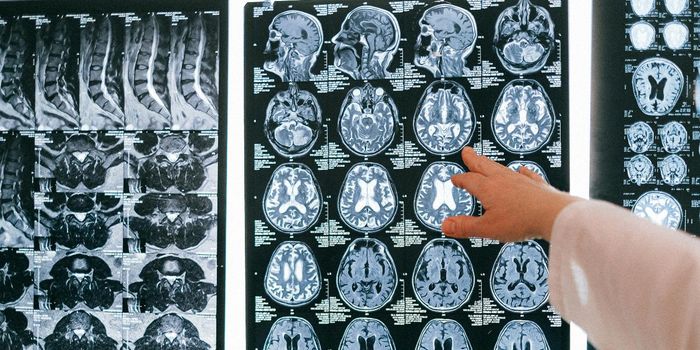
A new study found that 150 minutes of aerobic exercise each week is linked to a lower brain age. The corresponding study was published in the Journal of Sport and Health Science.
"We found that a simple, guideline-based exercise program can make the brain look measurably younger over just 12 months. Studies like this offer hopeful guidance grounded in everyday habits. These absolute changes were modest, but even a one-year shift in brain age could matter over the course of decades,” said lead author, Dr. Lu Wan, data scientist at the AdventHealth Research Institute, in a press release.
For the study, researchers recruited 130 healthy participants aged between 26 and 58 years old with an average age of 41. The participants were randomized into either a moderate-to-vigorous intensity aerobic exercise group or a usual-care control group.
Those in the exercise group attended two supervised 60-minute sessions per week in a lab and engaged in home-based exercise to achieve 150 minutes of total exercise per week. Although the control group was informed of the health benefits of physical activity, they were asked not to change their behavior or exercise patterns and to carry out activities as they normally would.
The researchers assessed participants’ brain age and cardiorespiratory fitness at the start of the study and again after 12 months.
After one year, participants in the exercise group showed an average reduction in brain age of around 0.6 years. In contrast, the control group experienced an average increase of 0.35 years, although this change was not statistically significant. The overall difference between the two groups approached one year.
Further analyses revealed that changes in physical fitness, body composition, blood pressure, and brain-derived neurotrophic factor (BDNF)- a protein that supports brain plasticity- could not explain the reductions in brain age seen in the trial. This, said Wan, indicated that exercise may be acting through other mechanisms. These may include subtle changes in brain structure, inflammation, and vascular health, he added.
The authors noted that the study only involved healthy, relatively well-educated volunteers and that changes in brain age were modest. Larger studies and longer follow-up periods are needed to understand whether these results in brain age translate to a lower risk for stroke, dementia, and other brain-related diseases.
Sources: Science Daily, Journal of Sport and Health Science