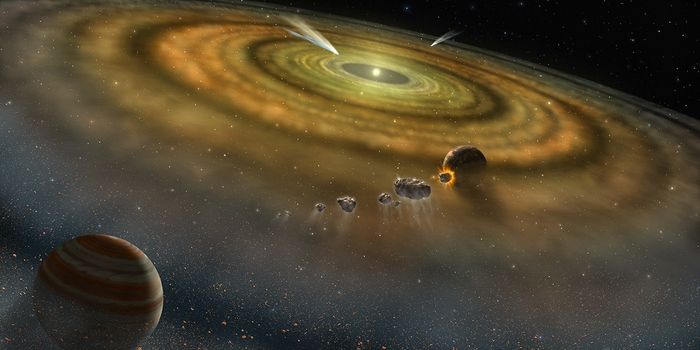
How common are Earth-like worlds beyond our solar system? This is what a recent study published in Nature Astronomy hopes to address as an international team of scientists unveiled new evidence that Earth-like worlds might be rarer than previously thought. This study has the potential to help scientists better understand the formation and evolution of Earth-like worlds and what this could mean for finding life beyond Earth.
For the study, the researchers used a series of computer models to simulate the formation of the interiors of potential Earth-like worlds, specifically focusing on planetary interior formation. This is because the researchers note how nitrogen and phosphorus are essential for the formation of habitable worlds, and the planetary mantle, the layer just beneath the planetary crust, is where they are formed and exist.
In the end, the researchers found that the right amount of oxygen needs to be present within the mantle for nitrogen and phosphorus to form. They note while Earth has these conditions, worlds with less oxygen in their mantle could limit the ability of nitrogen and phosphorus to form, resulting in non-habitable worlds.
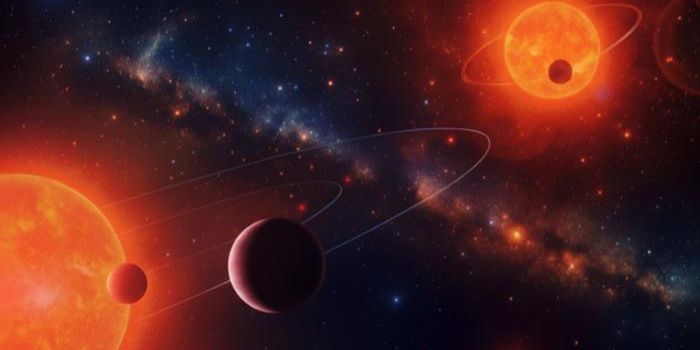
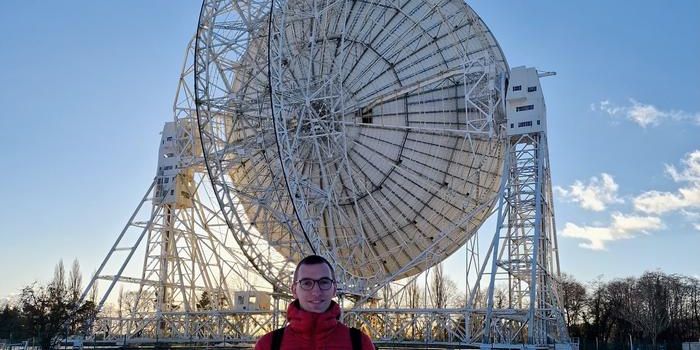
“Our models clearly show that the Earth is precisely within this range,” said Dr. Craig Walton, who is a postdoc at the Centre for Origin and Prevalence of Life at ETH Zurich and lead author of the study. “If we had had just a little more or a little less oxygen during core formation, there would not have been enough phosphorus or nitrogen for the development of life. This makes searching for life on other planets a lot more specific. We should look for solar systems with stars that resemble our own Sun.”
What new insight into the formation and evolution of Earth-like worlds will researchers make in the coming years and decades? Only time will tell, and this is why we science!
As always, keep doing science & keep looking up!
Sources: Nature Astronomy, EurekAlert!
Featured Image: Artist's illustration of Kepler-22b, which orbits in the habitable zone of its star. (Credit: NASA)