Our webinars allow users to learn from experts and earn continuing education credits on industry topics, progress in research, services available, and more.
Learning Objectives: 1. Explain how obesity impacts the survival of pediatric patients with specific subtypes of leukemia. 2. Describe how obesity impacts T-cell function in pediatric popula...
Acute T-cell mediated rejection (TCMR) is the most frequent complication after liver transplantation (LT), which can affect up to 50% of LT recipients in the first 5-year post-transplant. Li...
G Protein Coupled Receptors (GPCRs) are therapeutic targets for many medications used to treat a variety of disease states. A large number of genetic variants have been identified in the gen...
Thermo Fisher Scientific have spearheaded the development and democratization of next-generation sequencing, a technology that has fueled research in precision oncology and will play a key p...
Lateral flow assays (LFA) are simple diagnostic tools that can be used to detect a variety of biomolecules that include biomarkers, pathogens, and environmental contaminants. Many industries...
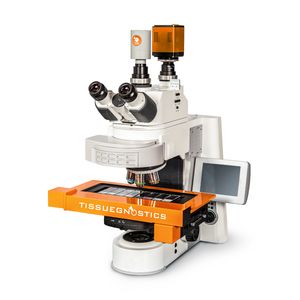
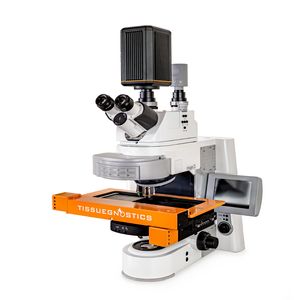
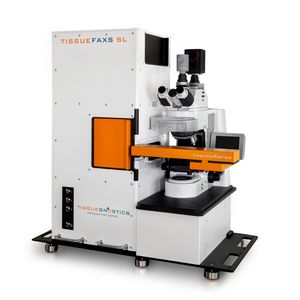
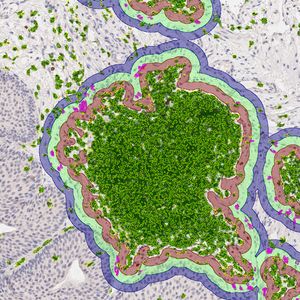
Immunohistochemistry (IHC) has been an indispensable tool for daily pathology practice. Multiplex designs have further facilitated its utility with improved efficacy. Several techniques of m...
Join this year's poster presenters in the Poster Hall during the Poster Networking Hour, Wednesday, March 6th, from 10:00 AM –11:00 AM PST, to chat live about their posters and lat...
Genetics may influence experience with cannabis and CBD. With increased access to legal cannabis and the research community expanding their focus on the medicinal uses of cannabinoids, more...
The next-generation sequencing (NGS) technologies have led to shifting paradigms for hereditary cancers genetic testing. With the increasing sensitivity of new technologies and the reduction...
Cancer, as a disease, starts with a change in the genome that results in the downregulation of genes involved in "normal" cell behavior. This genetic change can either be induced b...
Learning Objectives: 1. Classify the obstacles to successful manufacturing of antigen-specific T-cells in immunotherapy. 2. Highlight the effects of CD45RA+ subsets in expansion of antigen-s...
LED illumination has become more prominent in microscopy for both fluorescence and transmitted applications over the past few years. Today, LEDs provide many benefits over mercury and metal...
Protein misfolding and aggregation are key features observed in numerous neurodegenerative conditions, such as Alzheimer's and Parkinson's disease. The oligomers formed during the ag...
Despite the remarkable clinical efficacy of chimeric antigen receptor (CAR) T cells in hematological malignancies, only a subset of patients achieve a durable complete response. Furthermore,...
The integration of scientific instruments and robotics is often a barrier for physical scientists developing new autonomous discovery capabilities. At Argonne National Laboratory, the Rapid...
We will discuss the Digital LightCycler System, a digital PCR (dPCR) system for DNA and RNA with 6-color capability for flexible, multiplexed biomarker detection. With advances in sensitivit...
Within the kidney, the glomerulus is the structure in charge of the renal ultrafiltration. Loss of glomerular function leads to renal damage and could end with irreversible damage. The major...
Chimeric antigen receptor (CAR) T cells have demonstrated significant success in treating relapsed or treatment-refractory hematologic malignancies in the clinic, inducing remissions in 70-9...
We have developed an electronic method to screen cells for their phenotypic profile, which we call Node-Pore Sensing (NPS). NPS involves using a four-terminal measurement to measure the modu...
Simple and sensitive nucleic acid-based molecular detection plays a crucial role in the early diagnosis of infectious diseases and the rapid screening of cancers. CRISPR technology has recen...
This is a technical talk. Its objective is to provide details of virus sequencing, using SARS-CoV-2 as an example. Knowing the details, strengths, and limitations of virus sequencing will en...
We have harnessed homologous recombination to modify the genome of human stem cells with high frequencies (>40%). By designing the recombination donor in different ways, we can achieve a...

 Learning Objectives: 1. Explain how obesity impacts the survival of pediatric patients with specific subtypes of leukemia. 2. Describe how obesity impacts T-cell function in pediatric popula...






























![Anti-PRAME antibody [EPR20330]](https://d3bkbkx82g74b8.cloudfront.net/eyJidWNrZXQiOiJsYWJyb290cy1pbWFnZXMiLCJrZXkiOiJjb21wYW55X3Byb2R1Y3RfcHJvZmlsZV9pbWFnZV9mMzEwNTY4MGY1NmVmZjU3ZjZhMWRkZTU2M2Q4YjBmODZjMDJkNDE4XzMwMDA3MTg1ODEyLmpwZyIsImVkaXRzIjp7InRvRm9ybWF0IjoianBnIiwicmVzaXplIjp7IndpZHRoIjozMDAsImhlaWdodCI6MzAwLCJmaXQiOiJjb3ZlciIsInBvc2l0aW9uIjoiY2VudGVyIiwiYmFja2dyb3VuZCI6IiNmZmYifSwiZmxhdHRlbiI6eyJiYWNrZ3JvdW5kIjoiI2ZmZiJ9fX0=)