 Follow
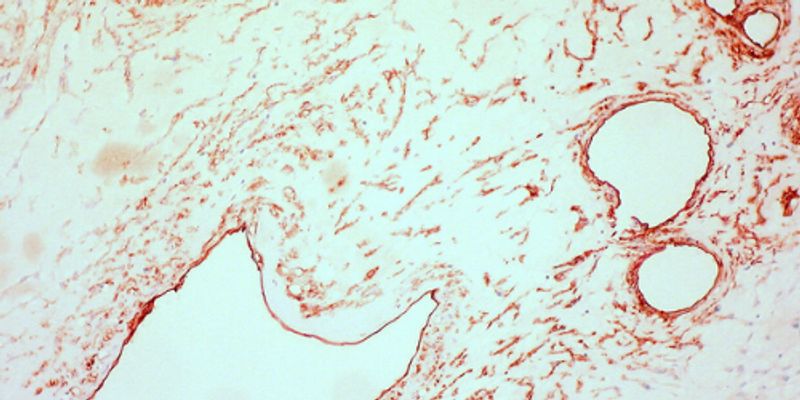
CD34
CD34 is a Protein Coding gene and is predominantly regarded as a marker of hematopoietic stem cells (HSC) and hematopoietic progenitor cells. CD34 is a membrane protein that aids cells in cell-cell adhesion.




OCT 01, 2025 | 7:30 AM
C.E. CREDITS

Non-small cell lung cancer (NSCLC) accounts for more deaths than colon, breast, and prostate cancers combined. Of patients with NSCLC, 20% initially present with stage I or II disease, for w...
SEP 11, 2025 | 7:00 AM

ABSTRACT ABSTRACT ABSTRACT Learning Objectives LO 1 LO 2 LO 3 Webinars will be available for unlimited on-demand viewing after live event. Labroots is approved as a provider of continuing ed...
JUL 16, 2025 | 8:00 AM

The identification of reliable biomarkers from peripheral blood is crucial for improving disease diagnosis and monitoring. Spectral flow cytometry has emerged as a powerful tool for high-dim...
JUN 25, 2025 | 8:00 AM

The upcoming webinar will delve into the advanced applications of Next Generation Flow™ in the analysis of Minimal Residual Disease (MRD) in Multiple Myeloma (MM). Dr. Juan Flores-Mont...
MAY 14, 2025 | 9:00 AM

While hundreds of different lipids have been identified in human blood, many of them remain functionally uncharacterized, including a class of lipids called long-chain acylcarnitines (LCACs)...
MAY 08, 2025 | 8:00 AM

The HIV-1 Nef accessory factor promotes viral replication and immune escape of HIV-infected cells, making it an attractive drug target. Our team previously identified small molecules that bi...
DEC 17, 2024 | 11:00 AM
C.E. CREDITS
Super immunodeficient mice such as the NOG-EXL and NSG-SGM3 combine severe immunodeficiency with transgenic expression of human myeloid-stimulatory cytokines. These mouse strains support an...
DEC 04, 2024 | 8:30 AM
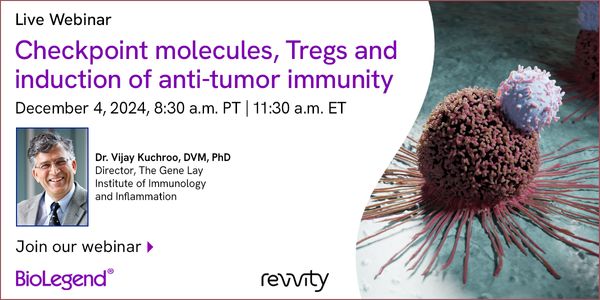
Expression of co-inhibitory receptors or “checkpoint” molecules, such as CTLA-4 and PD-1, on effector T cells is a key mechanism for ensuring immune homeostasis. Dysregulated exp...
NOV 19, 2024 | 8:00 AM

Breast cancer is a highly aggressive disease linked to poor clinical outcomes. Understanding the complex tumor microenvironment (TME) would help to identify novel therapeutic targets to impr...
NOV 19, 2024 | 8:00 AM

Cimeio Therapeutics is an applied gene editing and immunotherapy company developing a portfolio of Shielded-Cell & Immunotherapy Pairs™ (SCIP). Gene editing is used to introduce single nucle...
OCT 30, 2024 | 11:00 AM

Charge heterogeneity in monoclonal antibodies can negatively impact binding affinity and potency, so it is critical to ensure that individual charge variants of biotherapeutic molecules are...
OCT 16, 2024 | 1:00 PM
C.E. CREDITS

T cell lymphocytes play a central role in the adaptive immune response. They are an essential tool of adoptive cell therapy for the treatment of chronic viral infections and malignant diseas...
OCT 03, 2024 | 10:00 AM

Advances in proteomics and mass spectrometry enable the study of limited cell populations such as performing mouse models. Low-protein load studies often requires two steps to perform differ...
OCT 02, 2024 | 11:00 AM
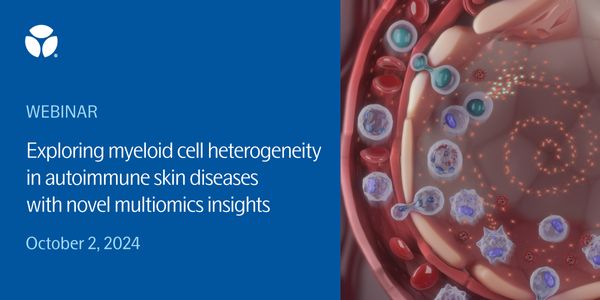
Inflammatory skin disorders comprise a diverse set of conditions exhibiting unique characteristics. Our objective was to systematically compare the affected and unaffected skin of individual...
SEP 24, 2024 | 7:00 AM

Human inborn errors of immunity (IEI) comprise a variety of diseases caused by molecular variants that impair both innate and adaptive immune responses. Patients with IEI often exhibit a sus...
JUN 20, 2024 | 7:30 AM

Transmembrane proteins (TPs) serve as crucial conduits between the internal and external environments of cells, regulating ion and molecule passage and orchestrating cellular responses to ex...
JUN 04, 2024 | 8:45 AM

Cancer immunotherapy approaches such as adoptive transfer of chimeric antigen receptor (CAR) T cells or tumor-infiltrating lymphocytes have yielded promising results in hematological maligna...
MAY 14, 2024 | 9:00 AM
C.E. CREDITS
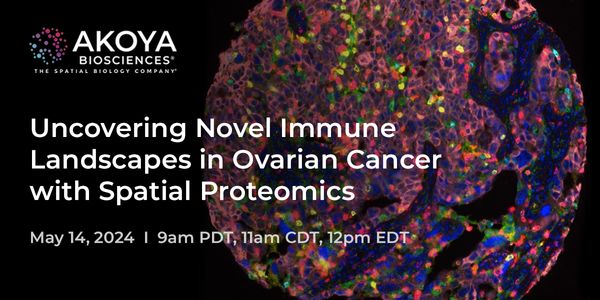
Survival rates for patients with high grade serous carcinoma of the ovary (HGSC) have stagnated for the past fifty years. Despite the presence of tumor mutations and infiltration of immune c...
MAY 14, 2025 | 9:00 AM
While hundreds of different lipids have been identified in human blood, many of them remain functionally uncharacterized, including a class of lipids called long-chain acylcarnitines (LCACs)...
MAY 08, 2025 | 8:00 AM
The HIV-1 Nef accessory factor promotes viral replication and immune escape of HIV-infected cells, making it an attractive drug target. Our team previously identified small molecules that bi...
DEC 17, 2024 | 11:00 AM
C.E. CREDITS
Super immunodeficient mice such as the NOG-EXL and NSG-SGM3 combine severe immunodeficiency with transgenic expression of human myeloid-stimulatory cytokines. These mouse strains support an...
DEC 04, 2024 | 8:30 AM
Expression of co-inhibitory receptors or “checkpoint” molecules, such as CTLA-4 and PD-1, on effector T cells is a key mechanism for ensuring immune homeostasis. Dysregulated exp...
NOV 19, 2024 | 8:00 AM
Breast cancer is a highly aggressive disease linked to poor clinical outcomes. Understanding the complex tumor microenvironment (TME) would help to identify novel therapeutic targets to impr...
NOV 19, 2024 | 8:00 AM
Cimeio Therapeutics is an applied gene editing and immunotherapy company developing a portfolio of Shielded-Cell & Immunotherapy Pairs™ (SCIP). Gene editing is used to introduce single nucle...
OCT 30, 2024 | 11:00 AM
Charge heterogeneity in monoclonal antibodies can negatively impact binding affinity and potency, so it is critical to ensure that individual charge variants of biotherapeutic molecules are...
OCT 16, 2024 | 1:00 PM
C.E. CREDITS
T cell lymphocytes play a central role in the adaptive immune response. They are an essential tool of adoptive cell therapy for the treatment of chronic viral infections and malignant diseas...