Oncology: a branch of medicine that deals with the prevention, diagnosis, and treatment of cancer. A medical professional who practices oncology is an oncologist. It includes medical oncology (the use of chemotherapy, hormone therapy, and other drugs to treat cancer), radiation oncology (the use of radiation therapy to treat cancer), and surgical oncology (the use of surgery and other procedures to treat cancer).

In the world of advanced medical research, the convergence of synthetic biology and cellular immunotherapy has inaugurated a new era in field of cancer treatment. Simultaneously, life scienc...
Rapid screening and speed of scale-up in protein therapeutics are critical factors in today’s immuno-oncology workflow. The ability to swiftly develop novel therapies often depends on...
The elegant and well-orchestrated molecular players responsible for normal neurodevelopment harbor the capacity for detrimental repercussions if mis-expressed at the wrong time, or in the wr...
Neoantigens are peptides derived from patient-specific and tumor-specific mutations, which can be recognized by the immune system and mediate tumor recognition that leads to immune destructi...
Immuno-oncology (IO) is a type of cancer treatment that uses the body's immune system to fight cancer. It works by stimulating the immune system to recognize and attack cancer cells, while le...
Cancer is a group of complex genomic diseases. Today still most clinicians, patients ans policymakers think that precision oncology is the sequencing of cancer genomes, which is for many pati...
Liquid biopsy is an emerging area of clinical research, particularly in the context of cancer. As a minimally invasive complementary or alternative approach to tissue biopsies, liquid biopsi...
Webinar airing too early or too late for you? This webinar will also be available: September 13 at 10:00am PDT, 1:00pm EDT https://www.labroots.com/ms/webinar/dpcr-liquidbiopsy-panel-2 and S...
Liquid biopsy is an emerging area of clinical research, particularly in the context of cancer. As a minimally invasive complementary or alternative approach to tissue biopsies, liquid biopsi...
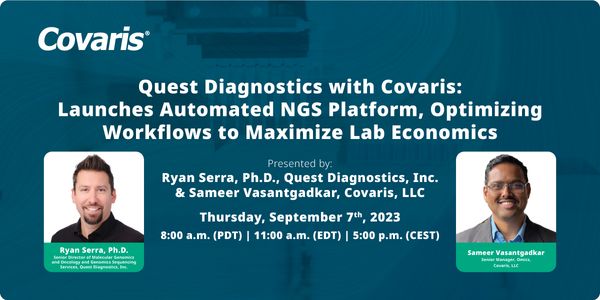
Advancements in Next Generation Sequencing (NGS) are changing the genomics industry, favoring those with scale. Quest Diagnostics' clinical expertise, combined with our infrastructure, p...
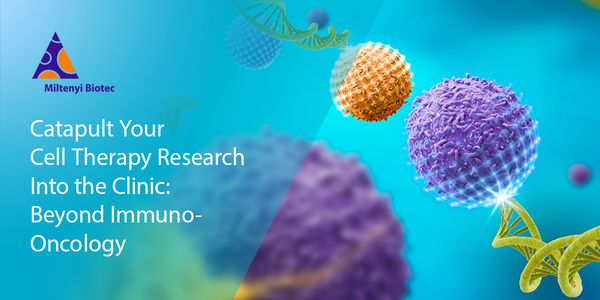
In this third and final part of our translational cell and gene therapy webinar series we delve into cell therapy applications beyond immune oncology. Firstly, we will look into Miltenyi Bio...
In this webinar, you’ll learn about the importance of computer system validation (CSV), how frequently it should be performed, and the benefits it can have to help meet FDA regulations...

Multicolor flow cytometry has recently experienced a fast evolution, increasing the number of parameters that can be studied within a single sample. However, this also increases the complexi...
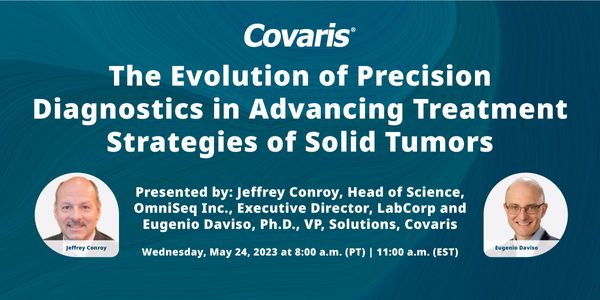
Learning Objectives: - Summarize the reasons for growth of Precision Medicine-based testing - Review challenges that are impacting the growth of Precision Medicine - Identify opportunities t...
Liquid biopsies represent a transformation in the management of cancer as they have the potential to detect, characterize, and monitor cancers earlier than can be achieved with conventional...
Recent advances in multi-omic approaches, including genomics, transcriptomics, and proteomics, enable a more comprehensive description of the tumor. This promises to accelerate the developme...
The personalized treatment of each cancer patient with targeted therapies selected based on our understanding of the molecular biology of cancer has been the long-standing goal of......
Many oncology patients do not receive the most effective targeted treatments because of challenges associated with implementation of a personalized medicine approach. Despite a lengthy histo...
Genomics has had rapid implementation over the past decade, with recent growth in application in oncology, mental health, maternal fetal medicine, solid organ transplantation, and more. Much...
Learning Objectives: 1. Describe alternative (non-B) DNA structures, how prevalent are they and what are their biological implications? 2. Explain why non-B DNA structures might be relevant...
In the field of oncology, the ability to select cells from a specific location or region within a tissue and analyze each discrete genome allows for the understanding of tumor heterogeneity....
In the world of advanced medical research, the convergence of synthetic biology and cellular immunotherapy has inaugurated a new era in field of cancer treatment. Simultaneously, life scienc...
Rapid screening and speed of scale-up in protein therapeutics are critical factors in today’s immuno-oncology workflow. The ability to swiftly develop novel therapies often depends on...
The elegant and well-orchestrated molecular players responsible for normal neurodevelopment harbor the capacity for detrimental repercussions if mis-expressed at the wrong time, or in the wr...
Neoantigens are peptides derived from patient-specific and tumor-specific mutations, which can be recognized by the immune system and mediate tumor recognition that leads to immune destructi...
Immuno-oncology (IO) is a type of cancer treatment that uses the body's immune system to fight cancer. It works by stimulating the immune system to recognize and attack cancer cells, while le...
Cancer is a group of complex genomic diseases. Today still most clinicians, patients ans policymakers think that precision oncology is the sequencing of cancer genomes, which is for many pati...
Liquid biopsy is an emerging area of clinical research, particularly in the context of cancer. As a minimally invasive complementary or alternative approach to tissue biopsies, liquid biopsi...
Webinar airing too early or too late for you? This webinar will also be available: September 13 at 10:00am PDT, 1:00pm EDT https://www.labroots.com/ms/webinar/dpcr-liquidbiopsy-panel-2 and S...
Liquid biopsy is an emerging area of clinical research, particularly in the context of cancer. As a minimally invasive complementary or alternative approach to tissue biopsies, liquid biopsi...
Advancements in Next Generation Sequencing (NGS) are changing the genomics industry, favoring those with scale. Quest Diagnostics' clinical expertise, combined with our infrastructure, p...
In this third and final part of our translational cell and gene therapy webinar series we delve into cell therapy applications beyond immune oncology. Firstly, we will look into Miltenyi Bio...
In this webinar, you’ll learn about the importance of computer system validation (CSV), how frequently it should be performed, and the benefits it can have to help meet FDA regulations...
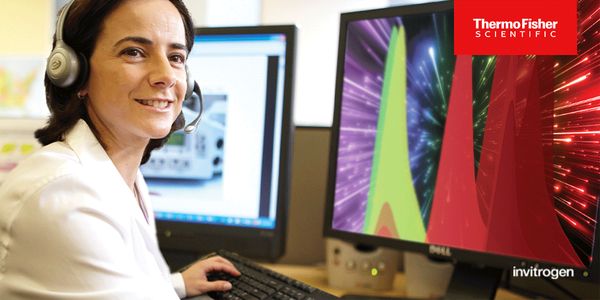
Multicolor flow cytometry has recently experienced a fast evolution, increasing the number of parameters that can be studied within a single sample. However, this also increases the complexi...
Learning Objectives: - Summarize the reasons for growth of Precision Medicine-based testing - Review challenges that are impacting the growth of Precision Medicine - Identify opportunities t...
Liquid biopsies represent a transformation in the management of cancer as they have the potential to detect, characterize, and monitor cancers earlier than can be achieved with conventional...
Recent advances in multi-omic approaches, including genomics, transcriptomics, and proteomics, enable a more comprehensive description of the tumor. This promises to accelerate the developme...
The personalized treatment of each cancer patient with targeted therapies selected based on our understanding of the molecular biology of cancer has been the long-standing goal of......
Many oncology patients do not receive the most effective targeted treatments because of challenges associated with implementation of a personalized medicine approach. Despite a lengthy histo...
Genomics has had rapid implementation over the past decade, with recent growth in application in oncology, mental health, maternal fetal medicine, solid organ transplantation, and more. Much...
Learning Objectives: 1. Describe alternative (non-B) DNA structures, how prevalent are they and what are their biological implications? 2. Explain why non-B DNA structures might be relevant...
In the field of oncology, the ability to select cells from a specific location or region within a tissue and analyze each discrete genome allows for the understanding of tumor heterogeneity....