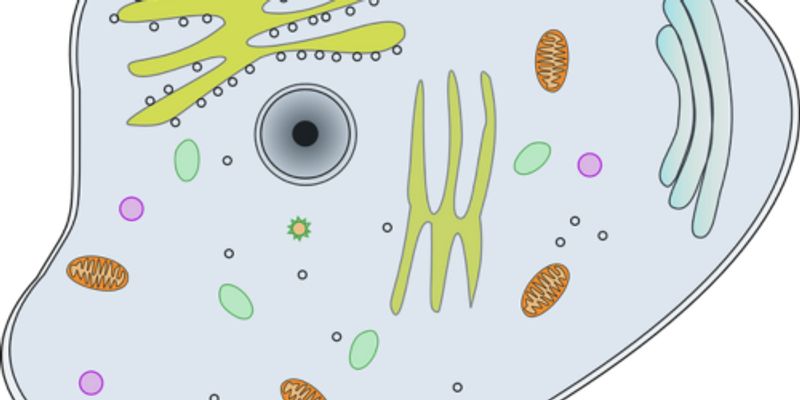
Cellular analysis is used to evaluate and measure cell number, state, health, and the viabiity, proliferation, and toxicity of a given cell. It provides lots of information in basic laboratory research, drug discovery and development, and within clinical applications.
SELEX is a process that selects DNA or RNA from a random library of sequences based on their affinity for a target molecule. These high affinity ligands, called apta...
DATE: May 26, 2016TIME: 8am pacific time, 11am eastern timeJoin us live and learn about a breakthrough in TCR sequencing using single-cell analysis.T cells recognize spe...
DATE: May 24, 2016
TIME: 8am Pacific time, 11am Eastern time, 4pm BST, 5pm CEST
3D assays have been gaining popularity as researchers look for models with improved physiologi...
The biological state of the cell is characterized by a complex network of interacting genes, gene products, proteins, microRNAs, as well as other molecules. Microarrays and next generation se...
Circulating tumor cells (CTCs) is an emerging source used molecular cancer diagnostics. Through expression profiling of CTCs, it allows a deeper understanding about which metabolic pathways e...
Human breast tumors have been shown to exhibit extensive inter- and intra-tumor heterogeneity. While recent advances in genomic technologies have allowed us to deconvolute this heterogeneity,...
DATE: May 10th, 2016
TIME: 8:00am Pacific time, 11:00am Eastern time
Cancer is a complex, multifactorial disease that not only is a cause of major human suffering throughout history...
Join us in the Presentation Hall to chat with our Expert on the topic of Mammalian Transient Expression.
Do you have questions on the differences/similarities between the Expi293 an...
CHO cells are the predominant host for biotherapeutic protein expression, with roughly 70% of licensed biologics manufactured in CHO. Multiple attributes make CHO cells desirable for bi...
April 14, 2016, 7:00am PT, 10:00am ET, 2:00pm GMT
Whether cells are being used to manufacture a therapeutic drug product or for pharmacology, measuring the cell viability and concentration...
Pathology departments are under significant pressure to meet the demands of a precise medicine environment where general phenotypic attributes are no longer sufficient for accurately defining...
Cancer remains the second leading cause of death in the United States. Most tumors arise from a myriad of genetic changes that dysregulate cell growth and prompt survival. Ident...
The advent of personalized medicine employing molecular targeted therapies has markedly changed the treatment of cancer in the past 10 years. Although tumor tissue biopsy-based genotyping is...
Recent advances in next-generation sequencing (NGS) have helped to accelerate the pace of discovery in the field of genetic disease research and testing. The ability to analyze multiple genes...
This talk will provide an overview of Fourier Transform InfraRed (FTIR) chemical imaging as a powerful and versatile method for obtaining information about CNS tissues. By combining imaging a...
DATE: March 10, 2016
TIME: 8:00am Pacific time, 11:00am Eastern time
SCIEX has recently introduced an easy-to-use magnetic bead based sample preparation workflow, enabling the prepa...
The greatest health epidemic of our time is cancer. Deaths from cancer worldwide outnumber the combined deaths from HIV/AIDS, tuberculosis and malaria by a wide margin. There are at least 100...
A century and a half after we first probed heritability, we risk forgetting one of Mendel's own basic findings, in rushing to broaden clinical genomics to lifelong care for all. Embracing...
Precision medicine requires understanding the mechanistic basis of complex disorders, and to precisely manipulate these mechanisms to better human health. This is partly enabled by the recent...
While next-generation sequencing has proven to be a very useful tool in basic research, two major hurdles remain for its broad adoption in the clinical research setting: lack of seamless work...
The advent of the microarray technology in 2000 has paved the way for advanced translational research methods that use molecular markers such as microRNA, proteins, metabolites and copy numbe...
Cell death is involved in diseases such as cancer and neurodegeneration, and also has a natural role in the development of multicellular organisms. Although apoptosis has been well defined, a...
Every day, vast amounts of healthcare data are collected from clinical trials as well as real world medical visits on patient treatment regimens and subsequent clinical outcomes. This big dat...
On January 20, 2015, President Obama announced the Precision Medicine Initiative® (PMI) (link is external) in his State of the Union address. Through advances in research, technology and...
SELEX is a process that selects DNA or RNA from a random library of sequences based on their affinity for a target molecule. These high affinity ligands, called apta...
DATE: May 26, 2016TIME: 8am pacific time, 11am eastern timeJoin us live and learn about a breakthrough in TCR sequencing using single-cell analysis.T cells recognize spe...
DATE: May 24, 2016
TIME: 8am Pacific time, 11am Eastern time, 4pm BST, 5pm CEST
3D assays have been gaining popularity as researchers look for models with improved physiologi...
The biological state of the cell is characterized by a complex network of interacting genes, gene products, proteins, microRNAs, as well as other molecules. Microarrays and next generation se...
Circulating tumor cells (CTCs) is an emerging source used molecular cancer diagnostics. Through expression profiling of CTCs, it allows a deeper understanding about which metabolic pathways e...
Human breast tumors have been shown to exhibit extensive inter- and intra-tumor heterogeneity. While recent advances in genomic technologies have allowed us to deconvolute this heterogeneity,...
DATE: May 10th, 2016
TIME: 8:00am Pacific time, 11:00am Eastern time
Cancer is a complex, multifactorial disease that not only is a cause of major human suffering throughout history...
Join us in the Presentation Hall to chat with our Expert on the topic of Mammalian Transient Expression.
Do you have questions on the differences/similarities between the Expi293 an...
CHO cells are the predominant host for biotherapeutic protein expression, with roughly 70% of licensed biologics manufactured in CHO. Multiple attributes make CHO cells desirable for bi...
April 14, 2016, 7:00am PT, 10:00am ET, 2:00pm GMT
Whether cells are being used to manufacture a therapeutic drug product or for pharmacology, measuring the cell viability and concentration...
Pathology departments are under significant pressure to meet the demands of a precise medicine environment where general phenotypic attributes are no longer sufficient for accurately defining...
Cancer remains the second leading cause of death in the United States. Most tumors arise from a myriad of genetic changes that dysregulate cell growth and prompt survival. Ident...
The advent of personalized medicine employing molecular targeted therapies has markedly changed the treatment of cancer in the past 10 years. Although tumor tissue biopsy-based genotyping is...
Recent advances in next-generation sequencing (NGS) have helped to accelerate the pace of discovery in the field of genetic disease research and testing. The ability to analyze multiple genes...
This talk will provide an overview of Fourier Transform InfraRed (FTIR) chemical imaging as a powerful and versatile method for obtaining information about CNS tissues. By combining imaging a...
DATE: March 10, 2016
TIME: 8:00am Pacific time, 11:00am Eastern time
SCIEX has recently introduced an easy-to-use magnetic bead based sample preparation workflow, enabling the prepa...
The greatest health epidemic of our time is cancer. Deaths from cancer worldwide outnumber the combined deaths from HIV/AIDS, tuberculosis and malaria by a wide margin. There are at least 100...
A century and a half after we first probed heritability, we risk forgetting one of Mendel's own basic findings, in rushing to broaden clinical genomics to lifelong care for all. Embracing...
Precision medicine requires understanding the mechanistic basis of complex disorders, and to precisely manipulate these mechanisms to better human health. This is partly enabled by the recent...
While next-generation sequencing has proven to be a very useful tool in basic research, two major hurdles remain for its broad adoption in the clinical research setting: lack of seamless work...
The advent of the microarray technology in 2000 has paved the way for advanced translational research methods that use molecular markers such as microRNA, proteins, metabolites and copy numbe...
Cell death is involved in diseases such as cancer and neurodegeneration, and also has a natural role in the development of multicellular organisms. Although apoptosis has been well defined, a...
Every day, vast amounts of healthcare data are collected from clinical trials as well as real world medical visits on patient treatment regimens and subsequent clinical outcomes. This big dat...
On January 20, 2015, President Obama announced the Precision Medicine Initiative® (PMI) (link is external) in his State of the Union address. Through advances in research, technology and...
Opens in a new windowOpens an external siteOpens an external site in a new window
 Follow