 Follow
Cell analysis
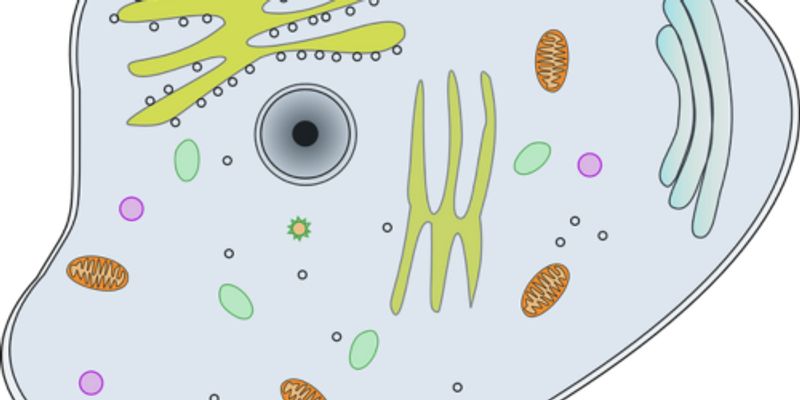
Cellular analysis is used to evaluate and measure cell number, state, health, and the viabiity, proliferation, and toxicity of a given cell. It provides lots of information in basic laboratory research, drug discovery and development, and within clinical applications.




OCT 30, 2014 | 9:00 AM

Both cell free DNA (cfDNA) and circulating tumor cells (CTC) represent important possible templates for mutation analysis of clinical samples. Each template has different theoretical advantag...
OCT 30, 2014 | 7:30 AM

Fusion genes play a central role in many cancer types. They have been used to classify malignancy, risk factors, disease prognosis, and companion diagnostic biomarkers for certain approved dr...
OCT 30, 2014 | 6:00 AM

Cancer research is being revolutionized by targeted gene panels, whole exome sequencing (WES), whole genome sequencing (WGS), and transcriptome sequencing (RNA-Seq).Many analyses, such as...
OCT 29, 2014 | 7:30 AM

The effective implementation of personalised cancer therapeutic regimens depends on the successful identification and translation of informative biomarkers to aid clinical decision-making. An...
OCT 29, 2014 | 7:30 AM

The eukaryotic translation initiation factor eIF4E is an oncogene elevated in an estimated 30% of cancers. The traditional view is that eIF4E drives proliferation and survival by increasing t...
SEP 24, 2014 | 8:00 AM

Target selection is arguably the most important decision in all drug discovery and development activities. No amount of great science can overcome the selection of the wrong target. The rapid...
SEP 16, 2014 | 10:00 AM

Patients with chromosomal rearrangements resulting in fusion proteins are among the most responsive to published targeted therapy. For example, targeting of the EML4-ALK fusion in non-small c...
AUG 21, 2014 | 9:30 AM

Next-Generation Sequencing is enabling scientists to study the transcriptome in ways never before possible. During this session with Illumina Distinguished Scientist, Dr. Gary Schroth, you w...
AUG 21, 2014 | 8:45 AM

Whole genomic and exomics sequencing applied clinically is revealing newly discovered genes and syndromes at an astonishing rate. While clinical databases and variant annotation continue to g...
AUG 20, 2014 | 2:15 PM

Understanding how genes coordinate their expression across cells in a growing embryo can provide insights into the transcriptional programs that control development. Intercellular variability...
AUG 20, 2014 | 8:45 AM

The flexibility of the BioMark Real-Time PCR System, allow us to preform genetic research using different types of nano-fluidic (48.48 or 96.96) chips setup, in the thermal cycle of these chi...
AUG 20, 2014 | 8:00 AM

One of the hallmarks of human cancers is genetic instability. My colleagues and I recently identified a remarkable association between human papillomavirus (HPV) and genomic structural variat...
MAY 29, 2014 | 10:30 AM

Clinical laboratory information provides decision support for most healthcare providers and impacts care processes and patient outcomes throughout the entire health services delivery system....
MAR 20, 2014 | 2:00 PM

Parkinsons disease is the most common neurodegenerative movement disorder. Over the past few years, studies have identified a number of genes that cause or contribute to the pathogenesis of t...
MAR 20, 2014 | 1:00 PM

Using high throughput next-generation sequencing to simultaneously search large number of genes for pathogenic mutations has numerous advantages. It decreases the pressure to narrow the dif...
MAR 20, 2014 | 10:00 AM

Neuroimaging plays a large role in our pursuit of the understanding of behavior and cognition in health and disease. The past decade has seen the emergence of a wealth of resources that suppo...
MAR 20, 2014 | 9:00 AM

The Brain Research through Advancing Innovative Neurotechnologies (BRAIN) Initiative is part of a new Presidential focus aimed at revolutionizing our understanding of the human brain. By acce...

MAR 20, 2014 | 7:00 AM

The brain is a complex, densely wired circuit made out of heterogeneous cells, which vary in their shapes, molecular composition, and patterns of connectivity. In order to help discover how n...
MAR 19, 2014 | 12:00 PM

Axonal growth and pathfinding is fundamental to the development and regeneration of the nervous system. Src tyrosine kinase has been implicated in this process; however, the detailed molecula...
OCT 29, 2014 | 7:30 AM
The effective implementation of personalised cancer therapeutic regimens depends on the successful identification and translation of informative biomarkers to aid clinical decision-making. An...