 Follow
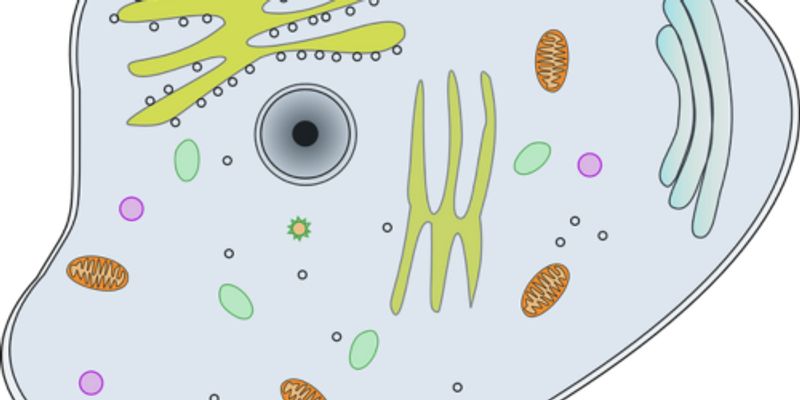
Cell analysis
Cellular analysis is used to evaluate and measure cell number, state, health, and the viabiity, proliferation, and toxicity of a given cell. It provides lots of information in basic laboratory research, drug discovery and development, and within clinical applications.



FEB 06, 2014 | 10:00 AM

The proper surgical techniques represent a key opportunity to improve the welfare of laboratory rodents, while meeting legal and ethical obligations. Use of inappropriate or poor surgical tec...
FEB 06, 2014 | 8:00 AM
C.E. CREDITS

Education and training is closely linked to the quality of performance of all levels of LAS personnel and directly effects both the welfare of the animals used in research and the quality of...
FEB 05, 2014 | 6:00 PM

For the purpose of ensuring research integrity, data reproducibility, and animal welfare, institutions that conduct animal research have the responsibility to evaluate vendors that provide la...
FEB 05, 2014 | 2:00 PM
With the growth and expansion of mouse and rat transgenic models in recent years, the demand for surgically altered models mimicking human diseases is growing at an amazing rate. Surgical pro...
FEB 05, 2014 | 2:00 PM
C.E. CREDITS
It is increasingly recognized that the genetic background (i.e., all genomic sequences other than the gene(s) of interest) can have profound influences on the phenotype of an animal model. I...
FEB 05, 2014 | 1:00 PM

Training for researchers using animals is a requirement in most European countries. However, somewhat surprisingly, the main actor in providing specific guidelines for such training is a scie...
FEB 05, 2014 | 11:00 AM
C.E. CREDITS

Non-surgical transfer techniques for mouse embryos and sperm provide animal welfare benefits for assisted reproduction of mice. While surgical embryo transfer (ET) is an effective method for...
OCT 17, 2013 | 8:00 AM
C.E. CREDITS

Developments in DNA sequencing technology have provided a unique opportunity for diagnosis and discovery of genetic alterations for rare diseases. Partnering with 20 academic centers in the U...
OCT 17, 2013 | 7:00 AM

Whenever there is cell death, apoptotic cell free DNA fragments appear in the circulation of the host. These fragments, typically 145-160 base pairs in size, represent a minute fraction of to...
OCT 17, 2013 | 6:00 AM

The widespread adoption of precision medicine in oncology requires: a compendium of therapies targeting the genetic vulnerabilities of cancer; the diagnostic tools capable of generating a pr...
OCT 16, 2013 | 1:00 PM
C.E. CREDITS

Cancer cells have historically been classified by microscopic analysis of blood smears and tissue sections. Current technologies use molecular techniques to categorize and classify tumor cell...
AUG 22, 2013 | 5:00 PM
C.E. CREDITS

Malignancies caused by so-called Type I chemical and biological carcinogens provide important opportunities studying early events in cancer development, providing essential information for de...
AUG 22, 2013 | 4:00 PM
C.E. CREDITS

The next generation sequencing technologies are profoundly influencing our way to study biology. We have previously developed cap-analysis gene expression (CAGE) to simultaneously mRNA/noncod...
AUG 22, 2013 | 3:00 PM
Developments in DNA sequencing technology have provided a unique opportunity for diagnosis and discovery of genetic alterations for rare diseases. Partnering with 20 academic centers in the U...
AUG 22, 2013 | 2:00 PM

Since the introduction of second-generation DNS sequencing technologies in 2007, the cost of genome sequencing has been consistently by 33% per quarter, with the $1000 genome arriving in 2012...