 Follow
Medical Genomics
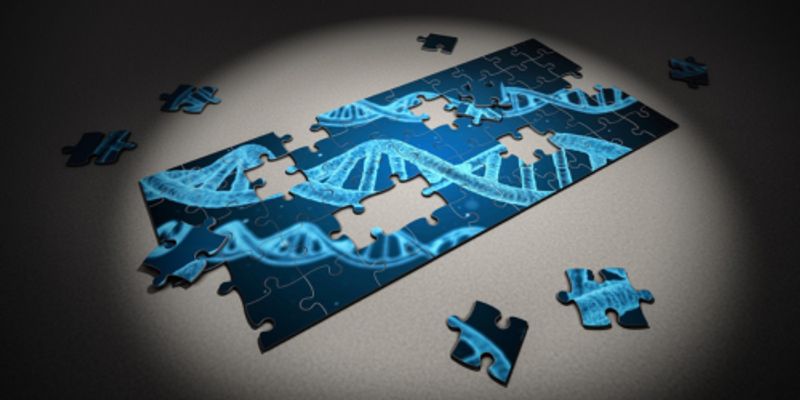
Genomics is a branch of science focusing on understanding the function and interaction of genes. Medical genomics is an emerging practice in the medical field where genetic information is applied to medical practice. Information obtained from evaluating a patient's genetic makeup can be used for diagnostic purposes or for determining the best therapeutic regimen for a patient.

MAY 14, 2015 | 6:00 AM

Cancer is complex, but recent findings are yielding a greater understanding of the disease. The tumor suppressor genes BRCA1 and BRCA2 are implicated in breast, ovarian, prostate, and other c...
MAY 13, 2015 | 3:00 PM

Genome Wide Association Studies (GWAS) and eQTL analyses are producing huge numbers of associations and show no signs of slowing. There are now more than 8,500 SNPs associated with more than...
MAY 13, 2015 | 3:00 PM

Long noncoding RNAs (lncRNAs) are increasingly recognized as having key regulatory roles in development and disease. However, these regulatory molecules often have short half lives and are ex...
MAY 13, 2015 | 10:30 AM

I will discuss recent statistical methods for identifying differentially expressed genes in static and time course bulk RNA-seq experiments. I will also provide an overview of the opportunit...
OCT 30, 2014 | 10:30 AM

The era of omics has ushered in the hope for personalized medicine. Proteomic and genomic strategies that allow unbiased identification of genes and proteins and their post-transcriptional a...
OCT 30, 2014 | 6:00 AM

When the BCR/ABL1 fusion protein was identified in chronic myelogenous leukemia and the JAK2 V617F mutation was identified in patients with other myeloproliferative neoplasms (MPNs) such as p...
OCT 29, 2014 | 7:30 AM

The effective implementation of personalised cancer therapeutic regimens depends on the successful identification and translation of informative biomarkers to aid clinical decision-making. An...
OCT 29, 2014 | 7:30 AM
Next-generation sequencing (NGS) has revolutionized extraction of genomic information, facilitating rapid advances in the fields of clinical research and molecular diagnostics. However, c...
SEP 24, 2014 | 2:00 PM

I will describe recent advances in computational protein design which allow the generation of new protein structures and functions. I will describe the use of these methods to design ultra-s...
SEP 24, 2014 | 2:00 PM

Master regulatory transcription factors localize to the genome in a manner influenced by chromatin accessibility and influencing global chromatin structure. With an interest in understanding...
AUG 21, 2014 | 11:15 AM

Medical applications of genetics and genomics have been advancing dramatically since completion of the sequencing of the human genome. The cost of DNA sequencing has plummeted, leading to the...
AUG 21, 2014 | 10:45 AM

For personalized genomic medicine (PGM) to be readily adopted into clinical practice, there is a need for a multidisciplinary team, and a need to educate health care professionals and the...
AUG 21, 2014 | 9:45 AM

In this presentation I describe pathway based analyses of genotyping data to identify pathways related to the development of complex diseases, with a focus on lung cancer and selected autoimm...
AUG 21, 2014 | 9:45 AM

Accurate and timely diagnosis of rejection and infection is essential for long-term survival of solid-organ transplant recipients. We evaluated the performance a novel test to monitor rejecti...