Follow a curation of discoveries and updates in immunology focusing on immune responses to infectious disease, structure and function, and developments in the defense against infection by watching and engaging in these webinars.
Learning Objectives: 1. Drug Repurposing Strategies for SARS-CoV2 2. Validation pipeline for SARS-CoV-2 antiviral 3. Outlook for SARS-CoV-2 therapeutics...
Flaviviruses are pathogens of global public health concern. They include dengue virus (DENV), West Nile virus (WNV), and zika virus (ZIKV). There are no approved US Food and Drug Administrat...
SARS-CoV-2 spreads through airborne transmission. Aerosols containing live virus are dispersed when an infected person exhales and then continue to accumulate indoors, putting others at risk...
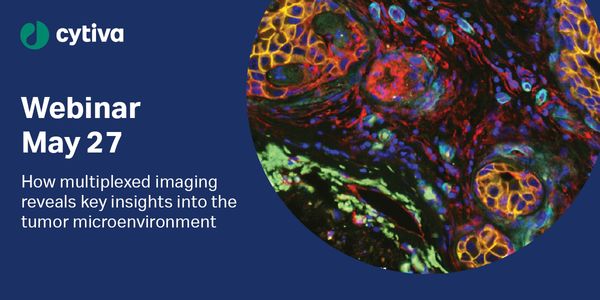
Multiplex immunofluorescence IHC is a powerful technique to address the increasing research needs in immuno-oncology to better understand the tumor microenvironment. In this webinar, we will...
Dr. Koenitzer will present an overview of her current research in immune suppression. After a brief introduction to the MILLIPLEX® multiplex immunoassay portfolio, Dr. Koenitzer will dis...
The efficacy of current influenza antiviral drugs is compromised by emerging drug resistance. To address this unmet medical need, we have made progress in developing novel influenza antiviral...
Metastatic prostate cancer (mPC) is a phenotypically diverse disease with poor responses to immune based therapeutics. Development of immunotherapeutic strategies for mPC is hampered by the...
We use COVID-19 cases, hospitalizations, and mortality data and a deterministic SEIR (susceptible, exposed, infectious and recovered) compartmental framework to model possible trajectories o...
The forecast IHME released on March 26, 2020, was geared to helping hospitals plan for a surge in demand for their resources (e.g., beds, ICUs, ventilators) to fight COVID-19. With many loca...
While providing indispensable insight into immune processes, the live cell imaging of immune cells poses unique challenges due to their non-adherent nature. Suspension cells such as immune c...
In the US, there are about 75 million individuals less than 18 years of age. COVID-19 has had a major impact on the pediatric population, as there have been more than 13.5 million documented...
In all organisms, innate immune pathways sense infection and rapidly activate potent immune responses while maintaining a high degree of specificity to prevent inappropriate activation (auto...
Multiplexed immunofluorescent imaging sheds new light on cancer and other complex conditions. This imaging technique offers a deeper understanding of cells and their surroundings by providin...
Dr. John Moore, Professor of Microbiology and Immunology at Weill Cornell Medicine, a Vaccine and Virology researcher, will talk about SARS-CoV-2 vaccines and variants and other topical issu...
The ongoing COVID-19 pandemic has increased awareness about sex-specific differences in immunity and outcomes following respiratory virus infections. Strong evidence of a male bias in acute...
Asymptomatic SARS-CoV-2 infection and delayed implementation of diagnostics have led to poorly defined viral prevalence rates. To address this, we analyzed seropositivity in US adults who ha...
Cancer cells can acquire immune resistance resulting in a loss of immunosurveillance. Tumor cells can upregulate PDL-1 which binds to PD-1. This complex inhibits CD8 Tumor Infiltrating cells...
With over 500 million COVID-19 cases and more than 6 million deaths, the COVID-19 pandemic remains a global health threat maintained by the impact of a changing virus. Emerging SARS-CoV-2 va...
The need for next-generation, broadly protective coronavirus vaccines is underscored by the accelerated pace at which human coronaviruses have been emerging, the evolution of the current pan...
Wastewater samples are challenging substrates for nucleic acid extraction, and choice of extraction method will determine the success of downstream analysis. Extraction methods must be able...
As the pandemic continues to evolve, new tools are needed to fight it. The greatest needs revolve around the ability to screen asymptomatic individuals for COVID-19 and to simultaneously tes...
PerkinElmer is a global leader in the development of instrumentation and probes for small animal non-invasive imaging, including optical and µCT imaging. Through optical imaging, we ha...
Learning Objectives 1. Identify 3 obstacles that inhibit the immune cell response to cancer. 2. List 3 aspects of T cells antitumor function that can be improved with costimulatory signals....
Neoantigen based personalized immuno-oncology drugs are a relatively new therapeutic avenue that have shown strong anti-tumor efficacy in the clinic. Neoantigen peptides have been widely rep...
Plants recruit soil microbes that provide nutrients, promote growth and protect against pathogens. However, the full potential of microbial communities for supporting plant health and agricul...
Background: Despite the immunogenicity and safety profile of dendritic cell (DC) vaccines, the importance of vaccine-induced antigen-specific T cell responses is unclear across clinical tria...
Adoptive cell therapy (ACT) is an immunotherapy that employs living immune cells to target and destroy cancer cells. However, the inhibitory tumor microenvironment features several obstacles...
 Learning Objectives: 1. Drug Repurposing Strategies for SARS-CoV2 2. Validation pipeline for SARS-CoV-2 antiviral 3. Outlook for SARS-CoV-2 therapeutics...