An ecosystem refers to all living and nonliving features of a particular physical location. This includes living organisms as well as non living things, like weather, that interact with one another.
In Pacific Northwest watersheds several species of Pacific salmonid fishes are hosts for the rhabdovirus infectious hematopoietic necrosis virus (IHNV). In this multi-host ecosystem speciali...
Enigmatic and often vilified, viruses are now known to play important and possibly indispensable roles in the biology and ecology of cellular organisms. Evidence of viral impacts are everywh...
Traditionally, virology has been focused in studying the pathogenic effect of viruses. In the recent years, however, this perception is changing and viruses are being studied as mutualistic...
Current Status of Preimplantation Genetic Testing for Reciprocal Translocation Carriers in Koreans Background: Preimplantation genetic testing for aneuploidy (PGT-A) and structural rearrange...
Tumor phenotypes are dictated not only by the neoplastic cell component, but also by the tumor microenvironment (TME), which is inherently immuno-suppressive, is equipped to hamper effector...
Part 1: Sustainable health and laboratory medicine; Presented by Professor Damien GrusonSummary: PendingPart 2: Let’s talk about errors in point of care testing in mobile health...
Burn patients are at risk for organ dysfunction secondary to “burn shock” and sepsis. The initial 24 hours following major burn injury presents with significant hypotension due to...
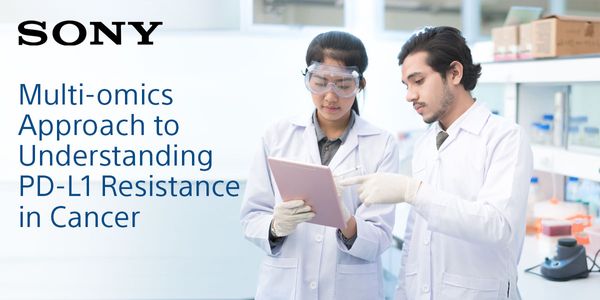
DATE: October 29, 2019TIME: 8:00am PDTAlthough immune-based therapies targeting the inhibitory receptors (PD-L1, PD1, and CTLA4) are proven to be effective to treat cancer, some pati...
Plants recruit soil microbes that provide nutrients, promote growth and protect against pathogens. However, the full potential of microbial communities for supporting plant health and agricul...
Learning objectives:1. Metagenomic analysis is already complex, and complicated further by incomplete and non-standardized databases of known organisms2. Fungi may have their own 'mic...
The printing press, the automobile & the Internet are just a few technological achievements that have advanced our world. All were driven by human ingenuity: our innate creativity that in...
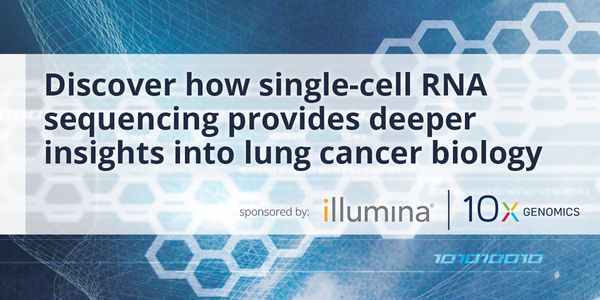
DATE: November 28, 2018TIME: 7:00AM PSTSingle-cell genomics enables a deep dive into the mechanisms responsible for health and disease, in areas from cancer biology to neurob...
Clinical testing with next generation sequencing requires a complex bioinformatics pipeline to process raw DNA sequence into interpretable variants for medical reporting. With sequencin...
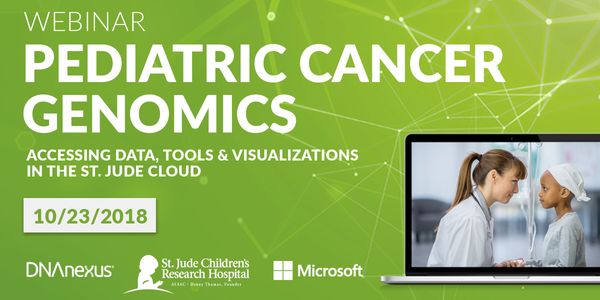
DATE: October 23, 2018TIME: 10:00am PDT, 1:00pm EDT Next-generation genomic sequencing is transforming what is known about pediatric cancer and how we treat patients. But eve...
The greatest need in agriculture this century is to mitigate impacts of abiotic (drought, temperature, salinity) and biotic (pathogens, pests) stresses on crop plants. Efforts over the...
Recent advancements in the precision medicine field have presented a great promise to provide innovative solutions to pharmaceutical and healthcare industry to help transform medicine. By fin...
This talk will reflect on what we can expect from the lab of the future and explore avenues towards such a digital lab. A major component of a digital lab is integration of instruments, syste...
Complex disease phenotypes - obesity, type II diabetes, and cancer challenge simple models in both evolution and biology. Examination of molecular networks and their dynamic behavior o...
In genomics, as in life, you need to be in the right place at the right time, and you need integrity, to be credible. Since the availability of the human genome sequence, there's been an...
More and more decisions will center on the ability to molecularly characterize a disease. So the molecular diagnostic laboratory will have a pivotal role. What does that look like? Will we be...
INTRODUCTION: The recent coincidental emergence of the human microbiota and the Hologneomic Theory of Co-evolution unmasked the “Dual Citizenship” of symbiotic microbes and...
The study of inherited genomic variation through genome wide association studies (GWAS) promised to provide key biologic insight into common diseases of public health significance such as obe...
In Pacific Northwest watersheds several species of Pacific salmonid fishes are hosts for the rhabdovirus infectious hematopoietic necrosis virus (IHNV). In this multi-host ecosystem speciali...
Enigmatic and often vilified, viruses are now known to play important and possibly indispensable roles in the biology and ecology of cellular organisms. Evidence of viral impacts are everywh...
Traditionally, virology has been focused in studying the pathogenic effect of viruses. In the recent years, however, this perception is changing and viruses are being studied as mutualistic...
Current Status of Preimplantation Genetic Testing for Reciprocal Translocation Carriers in Koreans Background: Preimplantation genetic testing for aneuploidy (PGT-A) and structural rearrange...
Tumor phenotypes are dictated not only by the neoplastic cell component, but also by the tumor microenvironment (TME), which is inherently immuno-suppressive, is equipped to hamper effector...
Part 1: Sustainable health and laboratory medicine; Presented by Professor Damien GrusonSummary: PendingPart 2: Let’s talk about errors in point of care testing in mobile health...
Burn patients are at risk for organ dysfunction secondary to “burn shock” and sepsis. The initial 24 hours following major burn injury presents with significant hypotension due to...
DATE: October 29, 2019TIME: 8:00am PDTAlthough immune-based therapies targeting the inhibitory receptors (PD-L1, PD1, and CTLA4) are proven to be effective to treat cancer, some pati...
Plants recruit soil microbes that provide nutrients, promote growth and protect against pathogens. However, the full potential of microbial communities for supporting plant health and agricul...
Learning objectives:1. Metagenomic analysis is already complex, and complicated further by incomplete and non-standardized databases of known organisms2. Fungi may have their own 'mic...
The printing press, the automobile & the Internet are just a few technological achievements that have advanced our world. All were driven by human ingenuity: our innate creativity that in...
DATE: November 28, 2018TIME: 7:00AM PSTSingle-cell genomics enables a deep dive into the mechanisms responsible for health and disease, in areas from cancer biology to neurob...
Clinical testing with next generation sequencing requires a complex bioinformatics pipeline to process raw DNA sequence into interpretable variants for medical reporting. With sequencin...
DATE: October 23, 2018TIME: 10:00am PDT, 1:00pm EDT Next-generation genomic sequencing is transforming what is known about pediatric cancer and how we treat patients. But eve...
The greatest need in agriculture this century is to mitigate impacts of abiotic (drought, temperature, salinity) and biotic (pathogens, pests) stresses on crop plants. Efforts over the...
Recent advancements in the precision medicine field have presented a great promise to provide innovative solutions to pharmaceutical and healthcare industry to help transform medicine. By fin...
This talk will reflect on what we can expect from the lab of the future and explore avenues towards such a digital lab. A major component of a digital lab is integration of instruments, syste...
Complex disease phenotypes - obesity, type II diabetes, and cancer challenge simple models in both evolution and biology. Examination of molecular networks and their dynamic behavior o...
In genomics, as in life, you need to be in the right place at the right time, and you need integrity, to be credible. Since the availability of the human genome sequence, there's been an...
More and more decisions will center on the ability to molecularly characterize a disease. So the molecular diagnostic laboratory will have a pivotal role. What does that look like? Will we be...
INTRODUCTION: The recent coincidental emergence of the human microbiota and the Hologneomic Theory of Co-evolution unmasked the “Dual Citizenship” of symbiotic microbes and...
The study of inherited genomic variation through genome wide association studies (GWAS) promised to provide key biologic insight into common diseases of public health significance such as obe...
Opens in a new windowOpens an external siteOpens an external site in a new window

 Follow