 Follow
Cell
Cell: is the smallest structural and functional unit of an organism, typically microscopic and consisting of cytoplasm and a nucleus enclosed in a membrane. Microscopic organisms typically consist of a single cell, which is either eukaryotic or prokaryotic.

SEP 13, 2023 | 8:10 AM
Functional interactions between cytotoxic immune cells and tumor cells are central to anti-cancer immunity. Some of the proteins involved, particularly immune checkpoints expressed by T cell...
September 13 at 10:00am CEST, 9:00am BST
Webinar airing too early or too late for you? This webinar will also be available: September 13 at 10:00am PDT, 1:00pm EDT https://www.labroots.com/ms/webinar/dpcr-liquidbiopsy-panel-2 and S...
September 13 at 9:30am IST, 12:00pm CST/SGT
Liquid biopsy is an emerging area of clinical research, particularly in the context of cancer. As a minimally invasive complementary or alternative approach to tissue biopsies, liquid biopsi...
SEP 12, 2023 | 10:25 AM

One of the main issues in a proteomics experiment is sample preparation. Protocols have been designed to optimize protein extraction, digestion, enrichment, cleaning and labeling (if require...
SEP 12, 2023 | 10:00 AM
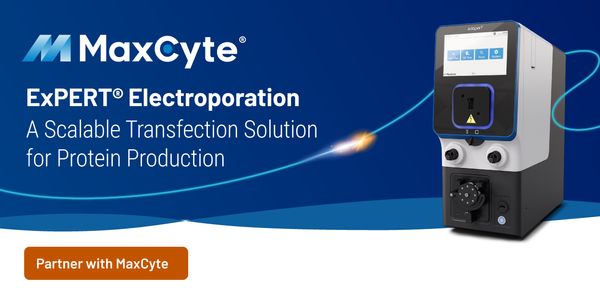
Register to learn more about how to rapidly and reproducibly drive your developmental efforts forward by leveraging MaxCyte’s flow electroporation technology. Labs adopt this scalable...
SEP 12, 2023 | 9:25 AM

The cellular thermal shift assay (CETSA) is a powerful tool for confirming target engagement and deconvoluting mode of action in living cells. The principle behind CETSA is that a ligand &nd...
SEP 12, 2023 | 9:00 AM
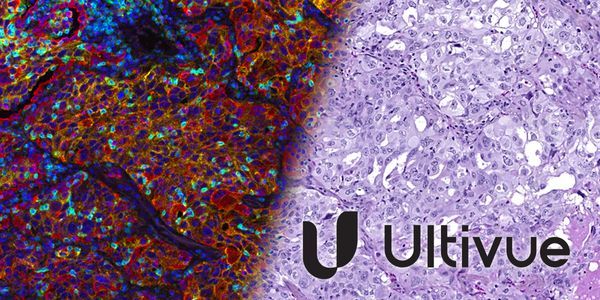
In recent years, significant progress has been made in tissue-based technology, opening up unparalleled opportunities for identifying disease process biomarkers and gaining invaluable insigh...
SEP 12, 2023 | 8:40 AM

Efficient protein turnover is essential for cell homeostasis and organ function. Loss of proteostasis is a hallmark of aging, which culminates as a severe reduction in protein turnover rates...
SEP 12, 2023 | 8:10 AM

The multiplexing capability of tandem mass tags (TMT) has driven quantitative proteomic experimental designs towards larger numbers of samples. In order to efficiently process hundreds to th...
SEP 12, 2023 | 8:00 AM
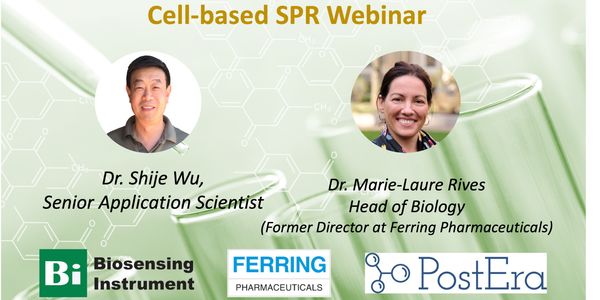
SPRm (Surface Plasmon Resonance Microscopy) is a novel technology that enables label-free and real-time measurements of the binding affinity and kinetics of small molecules to G protein-coup...
SEP 07, 2023 | 9:00 AM

RNA viruses use a variety of interactions with host proteins to gain entry, to evade immune responses, to promote viral replication, and to promote viral egress and spread. These interaction...
SEP 07, 2023 | 8:00 AM
Recombinant cytokines and growth factors are essential components for cell culture. Since they are so widely used, it is worth taking a closer look at them and understand their characteristi...
SEP 06, 2023 | 8:00 AM
The expansion and persistence of CAR T cells within patients is the key to a successful treatment. Therefore, monitoring of CD19 CAR T cells following infusion is of utmost interest. The CAR...
SEP 06, 2023 | 6:00 AM

Currently established rapid methods for sterility testing of advanced therapy medicinal products (ATMPs) are mostly based on growth-based processes or the detection......