Genomic analysis is the identification, measurment, and/or comparison of genomic features (like DNA sequences) on a genomic (i.e., the study of all of a person's genes) scale.
The practice of precision medicine utilizes advanced diagnostic tools to identify specific groups of patients on the basis of particular molecular characteristics, and guide their treatment w...
Implementing precision genomic medicine in the pediatric acute care setting has several challenges. First, the diagnosis must be made quickly. Second, the determination of pathogenicity mus...
This talk will review successful efforts at Washington University to employ novel reagents and informatics to the problem of rare allele detection. I will discuss a published bakeoff of in si...
Clopidogrel, an antiplatelet agent frequently used for secondary stroke prevention, is a prodrug that requires both sufficient intestinal absorption and hepatic modification to produce its ac...
The long term goal of our collaborative effort is to bring precision medicine to the practice of veterinary oncology, using the wealth of genomic data gathered in human cancers as a roadmap....
The development of automated DNA sequencers utilizing Sanger sequencing and capillary electrophoresis made it possible to develop the first draft sequences of the human genome. The cost of do...
Tumor mutational burden (TMB) is an emerging biomarker that correlates with response to immunotherapeutic agents, such as checkpoint inhibitors. Recent studies indicate that a high mutation l...
In this presentation, Dr. Kothari will provide an overview of the Precision Medicine Initiative from NIH and how NGS technologies have helped the researchers to look deep inside the human tra...
The NIH put Precision Medicine on the map as a revolutionary way to manage disease, delivering the right treatment, to the right patient, at the right time. But what does Precision Medicine r...
Recent advances in genomic technologies have revealed enormous complexities and uniqueness of human physiology. Although enormous efforts are being made to apply this knowledge to enhance the...
Most cancer therapies have highly variable activity from one patient to another, with only a fraction of patients’ cancers responding to a given treatment. In many types of cancer, comb...
Inherited disorders affect millions of people globally. These diseases significantly impact lives of patients and their families, and in addition, also results in substantial socio-economic i...
Virtually all tumors are genetically heterogeneous, containing subclonal populations of cells that are defined by distinct mutations. Subclones can have unique phenotypes that influence disea...
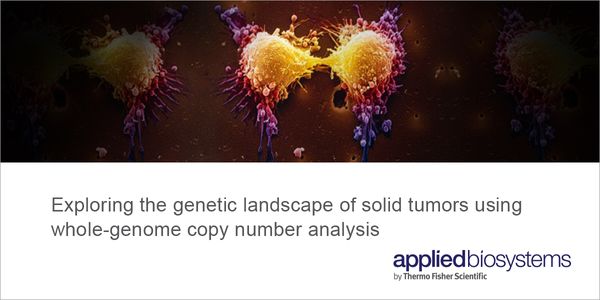
DATE: June 19, 2019TIME: 8:00am PDT, 11:00am EDT Approximately 80% of all cancers are known to be affected by both somatic mutations and copy number changes. Furthermore, r...
DATE: June 18, 2019TIME: 9:00am PDT, 12:00pm EDT, 5:00pm BST In the Atacama desert, Chile, twelve small aperture telescopes are observing the southern sky since 2016. Combining the opti...
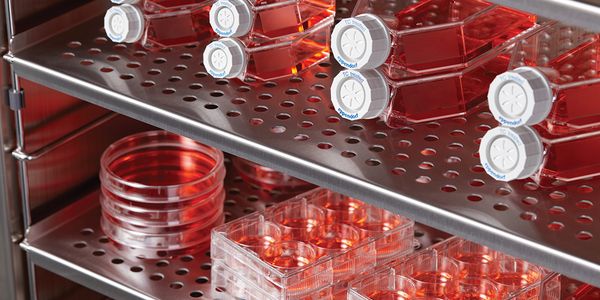
DATE: June 5, 2019TIME: 8:00am PDT, 11:00am EDT, 5:00pm CEST Eukaryotic cell cultures respond to the most subtle influence. Apart from the risk of contamination, minimal chan...
With growing standards of patient care, clinical testing laboratory across the world are forced to change the way they manage their laboratory operations. More focus is now given to automatio...
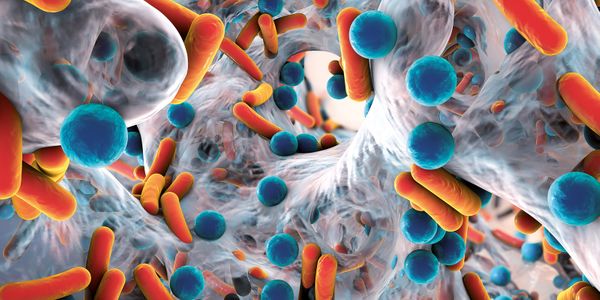
DATE: May 16, 2019TIME: 7:00am PDT, 10:00am EDT, 4:00pm CEST The emergence of NGS is revolutionizing the microbiological sciences and transforming medicine. Deep sequencing has...
Screening to identify all known viruses and other pathogenic microorganisms including bacteria, fungus and parasites in human tumor tissues will provide a more comprehensive understanding of...
Recent improvements in sequencing chemistry and instrument performance combine to create a new PacBio data type of highly accurate (HiFi), long insert reads. Increased read length and improve...
Next-generation transcriptome and miRNome sequencing are routinely performed on traditional cell or tissue samples, as well as more difficult samples such as FFPE samples and biofluids. Regar...
The last two decades have seen an explosion in the volume of oncology data generated using next-generation sequencing (NGS) and multi-omics techniques. As a result, there is a growing need fo...
Genetic drivers of cancer can be dysregulated through epigenetic modifications of DNA. Although the critical role of DNA 5-methylcytosine (5mC) in the regulation of transcription is recognize...
Tuberculosis has killed more than one billion people in the last 200 years. It is the oldest and the deadliest human pathogen, recently surpassing HIV. Its adaptation to host and drug pressur...
The practice of precision medicine utilizes advanced diagnostic tools to identify specific groups of patients on the basis of particular molecular characteristics, and guide their treatment w...
Implementing precision genomic medicine in the pediatric acute care setting has several challenges. First, the diagnosis must be made quickly. Second, the determination of pathogenicity mus...
This talk will review successful efforts at Washington University to employ novel reagents and informatics to the problem of rare allele detection. I will discuss a published bakeoff of in si...
Clopidogrel, an antiplatelet agent frequently used for secondary stroke prevention, is a prodrug that requires both sufficient intestinal absorption and hepatic modification to produce its ac...
The long term goal of our collaborative effort is to bring precision medicine to the practice of veterinary oncology, using the wealth of genomic data gathered in human cancers as a roadmap....
The development of automated DNA sequencers utilizing Sanger sequencing and capillary electrophoresis made it possible to develop the first draft sequences of the human genome. The cost of do...
Tumor mutational burden (TMB) is an emerging biomarker that correlates with response to immunotherapeutic agents, such as checkpoint inhibitors. Recent studies indicate that a high mutation l...
In this presentation, Dr. Kothari will provide an overview of the Precision Medicine Initiative from NIH and how NGS technologies have helped the researchers to look deep inside the human tra...
The NIH put Precision Medicine on the map as a revolutionary way to manage disease, delivering the right treatment, to the right patient, at the right time. But what does Precision Medicine r...
Recent advances in genomic technologies have revealed enormous complexities and uniqueness of human physiology. Although enormous efforts are being made to apply this knowledge to enhance the...
Most cancer therapies have highly variable activity from one patient to another, with only a fraction of patients’ cancers responding to a given treatment. In many types of cancer, comb...
Inherited disorders affect millions of people globally. These diseases significantly impact lives of patients and their families, and in addition, also results in substantial socio-economic i...
Virtually all tumors are genetically heterogeneous, containing subclonal populations of cells that are defined by distinct mutations. Subclones can have unique phenotypes that influence disea...
DATE: June 19, 2019TIME: 8:00am PDT, 11:00am EDT Approximately 80% of all cancers are known to be affected by both somatic mutations and copy number changes. Furthermore, r...
DATE: June 18, 2019TIME: 9:00am PDT, 12:00pm EDT, 5:00pm BST In the Atacama desert, Chile, twelve small aperture telescopes are observing the southern sky since 2016. Combining the opti...
DATE: June 5, 2019TIME: 8:00am PDT, 11:00am EDT, 5:00pm CEST Eukaryotic cell cultures respond to the most subtle influence. Apart from the risk of contamination, minimal chan...
With growing standards of patient care, clinical testing laboratory across the world are forced to change the way they manage their laboratory operations. More focus is now given to automatio...
DATE: May 16, 2019TIME: 7:00am PDT, 10:00am EDT, 4:00pm CEST The emergence of NGS is revolutionizing the microbiological sciences and transforming medicine. Deep sequencing has...
Screening to identify all known viruses and other pathogenic microorganisms including bacteria, fungus and parasites in human tumor tissues will provide a more comprehensive understanding of...
Recent improvements in sequencing chemistry and instrument performance combine to create a new PacBio data type of highly accurate (HiFi), long insert reads. Increased read length and improve...
Next-generation transcriptome and miRNome sequencing are routinely performed on traditional cell or tissue samples, as well as more difficult samples such as FFPE samples and biofluids. Regar...
The last two decades have seen an explosion in the volume of oncology data generated using next-generation sequencing (NGS) and multi-omics techniques. As a result, there is a growing need fo...
Genetic drivers of cancer can be dysregulated through epigenetic modifications of DNA. Although the critical role of DNA 5-methylcytosine (5mC) in the regulation of transcription is recognize...
Tuberculosis has killed more than one billion people in the last 200 years. It is the oldest and the deadliest human pathogen, recently surpassing HIV. Its adaptation to host and drug pressur...
Opens in a new windowOpens an external siteOpens an external site in a new window
 Follow