 Follow
Immuno-Oncology
Conservation Biology and Wildlife: the science of managing native plants and animals. It aims to limit the effects of environmental degradation, climate change and the loss of biodiversity. Conservation biology is tied closely to ecology in researching the population ecology (dispersal, migration, demographics, effective population size, inbreeding depression, and minimum population viability) of rare or endangered species.[12][13] Conservation biology is concerned with phenomena that affect the maintenance, loss, and restoration of biodiversity and the science of sustaining evolutionary processes that engender genetic, population, species, and ecosystem diversity.


AUG 12, 2025 | 7:00 AM
C.E. CREDITS

Increasing the complexity of in vitro cell cultures to better model the in vivo environment is a growing focus in drug discovery and mechanistic research. It is well established that cells c...
NOV 13, 2024 | 8:00 AM

While a decade ago the prognosis of lung cancer patients was very disappointing, nowadays a substantial evolution is driven by targeted treatments and immuno-oncology. With extended, scaled...
On Demand
C.E. CREDITS

Cancer neoantigens arise from protein-altering somatic mutations in tumor and rank among the most promising next-generation immuno-oncology agents when used in combination with immune checkp...
APR 30, 2024 | 12:00 PM

This presentation looks at the dynamic landscape of therapeutic antibody development, focusing on next-generation immuno-oncology therapeutics that target checkpoint inhibitors and incorpora...
NOV 14, 2023 | 9:00 PM

Spheroids and organoids, two examples of 3D cell culture models, have become invaluable tools to study the processes that dictate behavior of tissues under physiological and pathological con...
NOV 01, 2023 | 8:00 AM
To bring your cutting-edge cell and gene therapies to the patients that need them as quickly as possible, you need access to the most knowledgeable scientists, innovative technologies, metho...
OCT 12, 2023 | 8:00 AM
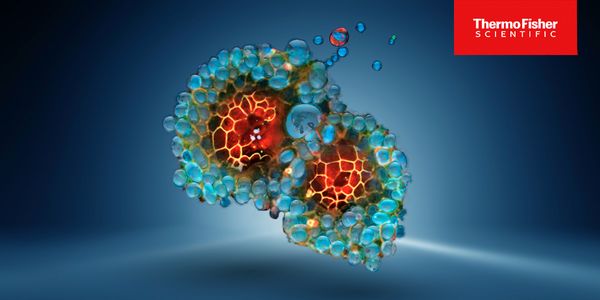
Patient-derived tumoroids, also known as cancer organoids, hold potential as cost-effective models for cancer immunotherapy research. Patient-derived tumor models, which mimic the tumor micr...
OCT 10, 2023 | 10:00 AM

For patients with advanced non-small cell lung cancer (NSCLC), tissue samples are typically small biopsies. These samples undergo standard of care evaluation for >10 biomarkers to identif...
OCT 04, 2023 | 12:00 PM

In the world of advanced medical research, the convergence of synthetic biology and cellular immunotherapy has inaugurated a new era in field of cancer treatment. Simultaneously, life scienc...
OCT 04, 2023 | 9:00 AM

Rapid screening and speed of scale-up in protein therapeutics are critical factors in today’s immuno-oncology workflow. The ability to swiftly develop novel therapies often depends on...