 Follow
Ipscs
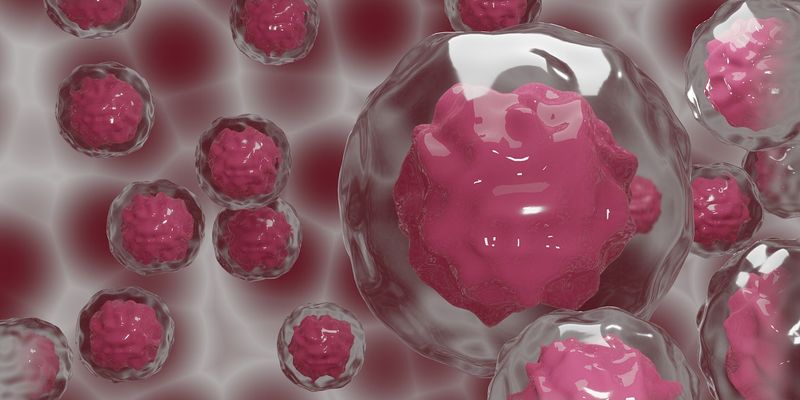
Induced pluripotent stem cells (iPSCs) are cells generated from the skin or blood that are reprogrammed to an embryonic state at which they can replicate and replenish damaged cells. In a therapeutic setting, iPSCs can provide a source to generate cells to replace damaged tissue in the body.

JUL 13, 2021 | 11:00 AM
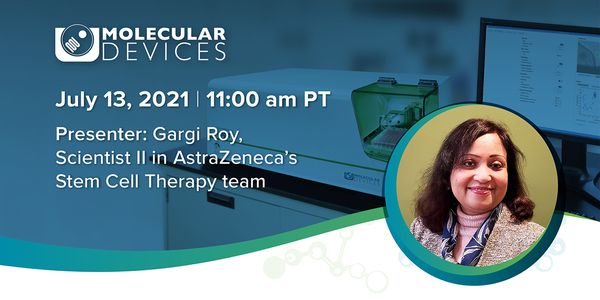
Date: July 13, 2021 Time: 11:00am (PDT), 1:00pm (EDT) 1 R&D, Cell Culture & Fermentation Sciences, Bio Pharmaceutical Development, AstraZeneca, Gaithersburg, USA, 2 R&D, ADPE, Ce...
JUN 24, 2021 | 8:00 AM
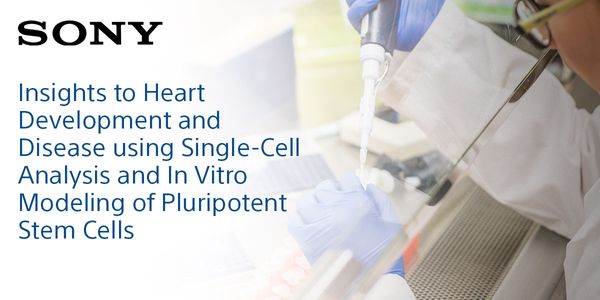
Date: June 24, 2021 Time: 8:00am (PDT), 11:00am (EDT) Cardiovascular disease is a leading health problem, affecting almost 30% of individuals in the developed world, and comprises a wide ran...
JUN 03, 2021 | 12:00 PM
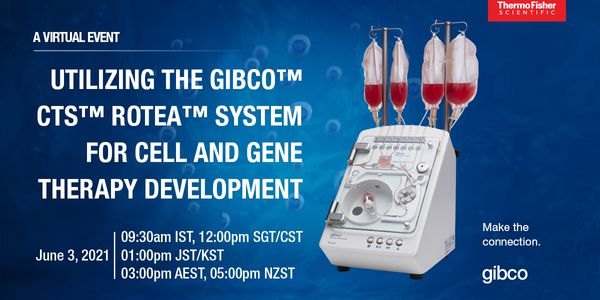
DATE: June 3, 2021 TIME: 12:00pm SGT This webinar is a virtual event that focuses on utilizing the Gibco CTS Rotea System for Cell and Gene Therapy...
MAY 06, 2021 | 9:00 AM
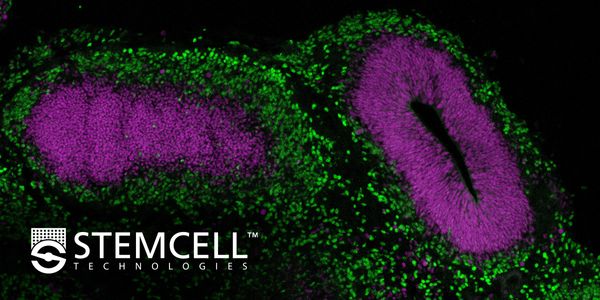
Date: May 6, 2021 Time: 9:00am (PDT), 12:00pm (EDT) The goal of this educational webinar is to introduce the audience to induced pluripotent stem cells (iPSCs) and the ways in which they are...
APR 20, 2021 | 12:00 PM

NanoCellect will discuss the importance of cell sample preparation in order to obtain good quality sequencing data with 3’ RNA-Seq as well as cell sample preparation in order to obtain...
APR 20, 2021 | 9:00 AM

Chromatin Immunoprecipitation, coupled with sequencing, has shaped our understanding of how transcriptional machinery interacts with genomes to facilitate gene regulation. These protein-DNA...
FEB 10, 2021 | 12:00 AM

Traditional drug discovery often begins with simple biochemical and transformed cellular models, advances to more complex animal models in late discovery phases, and often does not ‘se...
SEP 30, 2020 | 7:30 AM

Genome Engineering allows the easy manipulation of genomes down to the nucleotide level. Targeted deep sequencing enables the detection and quantification of low-frequency editing events. Ho...
SEP 23, 2020 | 10:30 AM

Intestinal organoids are self-organizing, 3D structures derived from either pluripotent stem cells or from primary tissues with the abiltiy to recapitulate some of the spatial architecture a...
SEP 23, 2020 | 7:30 AM

Cell culture continues to be a critical tool for most life science research and applications. From HeLa to iPSCs and 3D to organoids, culture methods have become more advanced and techniques...
JUL 02, 2020 | 12:15 PM
The study of human development and diseases relies on analysis of samples obtained and manipulated ex vivo. It is critical in such studies to know the provenance and confirm that the identit...