 Follow
Ipscs
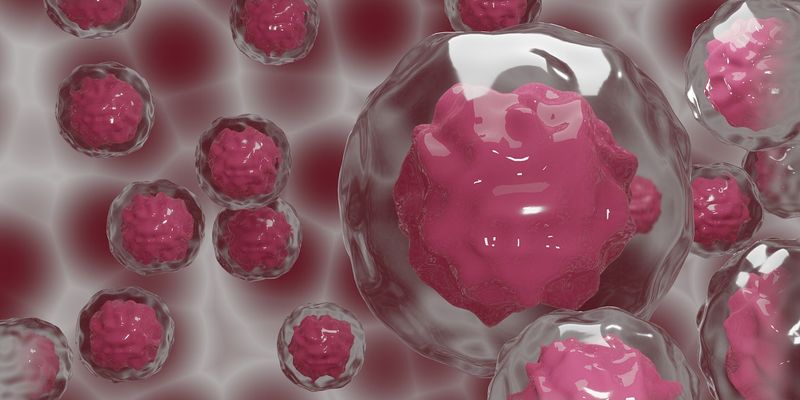
Induced pluripotent stem cells (iPSCs) are cells generated from the skin or blood that are reprogrammed to an embryonic state at which they can replicate and replenish damaged cells. In a therapeutic setting, iPSCs can provide a source to generate cells to replace damaged tissue in the body.

FEB 13, 2019 | 10:30 AM

Xenobiotic-induced cardiotoxicity is a major concern for both pharmaceuticals and chemicals in the marketplace. For drugs, "Thorough QT/corrected QT (QTc)" (TQT) studies are corners...
DEC 06, 2018 | 9:00 AM
DATE: December 6, 2018TIME: 9:00am PST, 12:00pm EST Induced pluripotent stem cells (iPSC) intended for translational applications need to be of...
NOV 15, 2018 | 1:00 PM
The Neon transfection system enables robust transfection efficiencies in hiPSC for DNA, mRNA and Cas9/gRNA RNP complexes. For hiPSC these improved transfection as well as post-electroporation...
NOV 15, 2018 | 11:00 AM
Generation of robust iPSC-derived neural stem cell cultures and neurons with shorter maturation times provide opportunities for quick and reliable generation of neuronal in vitro models. This...
NOV 15, 2018 | 6:00 AM
Picking stem cells, whether it be for clone selection or general line maintenance is an important and useful technique that for stem cell researchers should be comfortable with...
NOV 15, 2018 | 4:00 AM
Development of physiologically relevant cellular models, with strong translatability to human pathophysiology, is critical for identification and validation of novel therapeutic targets. Cell...
NOV 14, 2018 | 3:00 PM

Neuronal migration defects, including pachygyria, are among the most severe developmental brain defects in humans. Using human genetics approaches, we recently identified bi-allelic truncatin...
OCT 23, 2018 | 7:00 AM
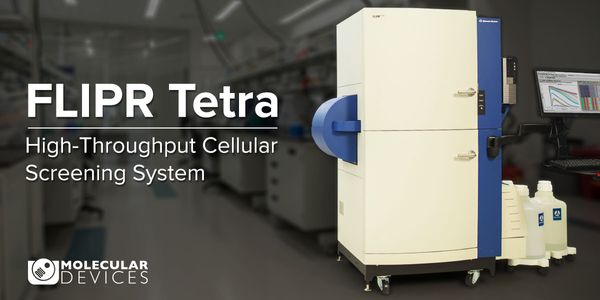
DATE: October 23, 2018TIME: 7:00AM PDTHigh Throughput Screening for the European Lead Factory (ELF) has been performed at Pivot Park Screening Centre (PPSC). 72 HTS campaigns have...
OCT 03, 2018 | 12:00 PM

Decoding human genetic disease allows us to develop models of the pathology that can be directly tested with gene correction or targeted drug therapy. Dominant negative mutations are pa...
OCT 03, 2018 | 9:00 AM

Learn how to optimize CRISPR-Cas9 editing efficiencies in cell lines and primary cell types using modified synthetic sgRNA. Includes tips for achieving maximum knockout and knock-in efficienc...
OCT 01, 2018 | 12:00 AM

Pancreatic β cell replacement therapy is considered as a potential strategy to treat diabetes. To date, transplantation of pancreatic islets from cadavers is the most effective approach...
SEP 27, 2018 | 1:30 PM

Lowe Syndrome (LS) is a devastating genetic disease characterized by abnormalities in the eyes, brain and kidneys that unfortunately leads to the premature death of affected children due to r...
AUG 01, 2018 | 12:00 AM

Induced pluripotent stem (iPS) cells are a promising source of personalized therapy. These cells can provide immune-compatible autologous replacement tissue for the treatment of potentially a...
JUN 01, 2018 | 12:00 AM
Thermo Fisher Scientific has developed an advanced assay to qualify FBS for use with ESCs. This assay is designed to sustain undifferentiated ES cells while maintaining karyotype integr...
MAY 09, 2018 | 1:30 PM

There is increasing evidence that intracellular miRNAs play a role in the pathogenesis of many complex disease phenotypes. In addition, extracellular miRNAs in exosomes are emerging as...
APR 17, 2018 | 8:00 AM
DATE: April 17, 2018TIME: 8:00AM PST, 11:00AM ESTRecently, much research has focused on obtaining 3D brain organoids in an attempt to better recapitulate brain development and function...
MAR 14, 2018 | 9:00 AM

Biomedical research depends on the use of model systems to explore basic biology, probe disease mechanisms, and conduct drug discovery and development. However, results from such systems are...
MAR 01, 2018 | 12:00 AM
The isolation of human embryonic stem cells (hESCs) and the discovery of human induced pluripotent stem cell (hiPSC) reprogramming have sparked a renaissance in stem cell biology, in vitro di...

JAN 01, 2018 | 12:00 AM

My talk shall encompass how the stem cell research field has evolved from embryonic stem cells to adult stem cells and currently induced pluripotent stem cells with special reference to the f...
DEC 01, 2017 | 12:00 AM

The use of pluripotent stem cells is dramatically altering the R&D landscape, providing new insights into both the basic biology of disease progression and novel cell types for pharmaceut...
NOV 09, 2017 | 10:00 AM

Therapeutic development for human diseases continues to face obstacles, particularly in translating targets or compounds identified by in vitro screening campaigns to valid targets or efficac...