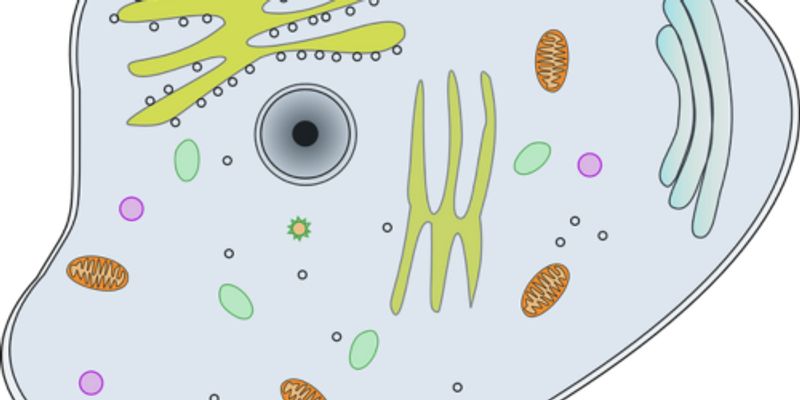
Cellular analysis is used to evaluate and measure cell number, state, health, and the viabiity, proliferation, and toxicity of a given cell. It provides lots of information in basic laboratory research, drug discovery and development, and within clinical applications.
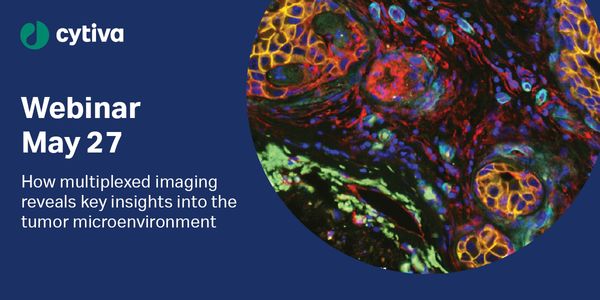
DATE: May 27, 2020 TIME: 8:00am PT, 11:00am ET Multiplexed immunofluorescent imaging sheds new light on cancer and other complex conditions. This imaging technique offers a deeper understand...
DATE: May 21, 2020 TIME: 8:00am PDT, 11:00am EDT The advent of CRISPR has radically changed the face and pace of biological research and has unlocked unprecedented potential in the study of...
Background: Acute myeloid leukemia (AML) is a molecularly and clinically heterogeneous hematological malignancy. Despite recent advancements in the treatment of AML, approximately 50% of pat...
Many questions at the forefront of biology depend on the interactions of millions of single cells. My lab develops technologies for studying large numbers of single cells. In this talk, I wi...
Tumor phenotypes are dictated not only by the neoplastic cell component, but also by the tumor microenvironment (TME), which is inherently immuno-suppressive, is equipped to hamper effector...
Background: CDK4/6 inhibitors increase tumor immunogenicity in preclinical models of breast cancer and several trials combining CDK4/6 inhibitors and anti-PD1/PDL1 therapies are underway. Ho...
Precision medicine is the paradigm to develop treatments for patients based on molecular-targets that are effective in vivo when administered. In addition to identifying the molecular and ce...
Techniques to analyze and sort single cells based on secreted products have the potential to transform our understanding of cellular biology as well as accelerate the development of next gen...
While many technologies focus on either exploring the spatial context of a handful of targets, or expression patterns of hundreds or thousands of targets in bulk samples or dissociated singl...
Pancreatic Ductal Adenocarcinoma (PDAC) is a highly aggressive disease associated with poor outcome. It is expected to be the leading cause of cancer-related death in 2030. The unique microe...
Background: Pathologists have long recognized that the interaction between immune and tumour cells is critical in the development and progression of breast cancer. Studies have demonstrated...
Immune checkpoint inhibitors (ICI) have shown durable and long-term benefits in a subset of head and neck squamous cell carcinoma (HNSCC) patients. To identify patient-responders from non-re...
The majority of patients with advanced NSCLC do not respond to monotherapy with PD-1 axis inhibition, and more robust predictive biomarkers are needed. In this study, we assessed tumor sampl...
Background: Growing evidence supports the critical role of preexisting immune response in triple negative breast cancer (TNBC). However, there are limitations with current evaluation approac...
We applied CITE-Seq to measure >150 cell surface immune markers and checkpoint proteins simultaneous to RNA-Sequencing. We resolve the tumour-immune milieu with high precision and reveal...
DATE: May 19, 2020 TIME: 8:00am PT, 11:00am ET Limited sample material resulting in insufficient DNA input is a common hurdle for downstream analysis. This problem can be solved using a vari...
The GeoMx Digital Spatial Profiling technology enables high-plex RNA and protein profiling of any region within any tissue type. This workshop will highlight the latest developments toward e...
B-cell lymphomas and leukemias originate from the malignant transformation and proliferation of one or a small number of B cells. Since each B-cell expresses distinct B-cell receptors (BCRs)...
B-cell lymphomas and leukemias originate from the malignant transformation and proliferation of one or a small number of B cells. Since each B-cell expresses distinct B-cell receptors (BCRs)...
NGS is still perceived as a complex, hard to implement and validate method that requires highly experienced people. Outsourcing next-generation sequencing (NGS) testing could be an option to...
NGS is still perceived as a complex, hard to implement and validate method that requires highly experienced people. Outsourcing next-generation sequencing (NGS) testing could be an option to...
Increasing evidence suggests that targeted sequencing of cell free DNA (cfDNA) can provide a comprehensive molecular portrait of solid tumors. However, the concordance between tissue and cfD...
Increasing evidence suggests that targeted sequencing of cell free DNA (cfDNA) can provide a comprehensive molecular portrait of solid tumors. However, the concordance between tissue and cfD...
DATE: May 27, 2020 TIME: 8:00am PT, 11:00am ET Multiplexed immunofluorescent imaging sheds new light on cancer and other complex conditions. This imaging technique offers a deeper understand...
DATE: May 21, 2020 TIME: 8:00am PDT, 11:00am EDT The advent of CRISPR has radically changed the face and pace of biological research and has unlocked unprecedented potential in the study of...
Background: Acute myeloid leukemia (AML) is a molecularly and clinically heterogeneous hematological malignancy. Despite recent advancements in the treatment of AML, approximately 50% of pat...
Many questions at the forefront of biology depend on the interactions of millions of single cells. My lab develops technologies for studying large numbers of single cells. In this talk, I wi...
Tumor phenotypes are dictated not only by the neoplastic cell component, but also by the tumor microenvironment (TME), which is inherently immuno-suppressive, is equipped to hamper effector...
Background: CDK4/6 inhibitors increase tumor immunogenicity in preclinical models of breast cancer and several trials combining CDK4/6 inhibitors and anti-PD1/PDL1 therapies are underway. Ho...
Precision medicine is the paradigm to develop treatments for patients based on molecular-targets that are effective in vivo when administered. In addition to identifying the molecular and ce...
Techniques to analyze and sort single cells based on secreted products have the potential to transform our understanding of cellular biology as well as accelerate the development of next gen...
While many technologies focus on either exploring the spatial context of a handful of targets, or expression patterns of hundreds or thousands of targets in bulk samples or dissociated singl...
Pancreatic Ductal Adenocarcinoma (PDAC) is a highly aggressive disease associated with poor outcome. It is expected to be the leading cause of cancer-related death in 2030. The unique microe...
Background: Pathologists have long recognized that the interaction between immune and tumour cells is critical in the development and progression of breast cancer. Studies have demonstrated...
Immune checkpoint inhibitors (ICI) have shown durable and long-term benefits in a subset of head and neck squamous cell carcinoma (HNSCC) patients. To identify patient-responders from non-re...
The majority of patients with advanced NSCLC do not respond to monotherapy with PD-1 axis inhibition, and more robust predictive biomarkers are needed. In this study, we assessed tumor sampl...
Background: Growing evidence supports the critical role of preexisting immune response in triple negative breast cancer (TNBC). However, there are limitations with current evaluation approac...
We applied CITE-Seq to measure >150 cell surface immune markers and checkpoint proteins simultaneous to RNA-Sequencing. We resolve the tumour-immune milieu with high precision and reveal...
DATE: May 19, 2020 TIME: 8:00am PT, 11:00am ET Limited sample material resulting in insufficient DNA input is a common hurdle for downstream analysis. This problem can be solved using a vari...
The GeoMx Digital Spatial Profiling technology enables high-plex RNA and protein profiling of any region within any tissue type. This workshop will highlight the latest developments toward e...
B-cell lymphomas and leukemias originate from the malignant transformation and proliferation of one or a small number of B cells. Since each B-cell expresses distinct B-cell receptors (BCRs)...
B-cell lymphomas and leukemias originate from the malignant transformation and proliferation of one or a small number of B cells. Since each B-cell expresses distinct B-cell receptors (BCRs)...
NGS is still perceived as a complex, hard to implement and validate method that requires highly experienced people. Outsourcing next-generation sequencing (NGS) testing could be an option to...
NGS is still perceived as a complex, hard to implement and validate method that requires highly experienced people. Outsourcing next-generation sequencing (NGS) testing could be an option to...
Increasing evidence suggests that targeted sequencing of cell free DNA (cfDNA) can provide a comprehensive molecular portrait of solid tumors. However, the concordance between tissue and cfD...
Increasing evidence suggests that targeted sequencing of cell free DNA (cfDNA) can provide a comprehensive molecular portrait of solid tumors. However, the concordance between tissue and cfD...
Opens in a new windowOpens an external siteOpens an external site in a new window
 Follow