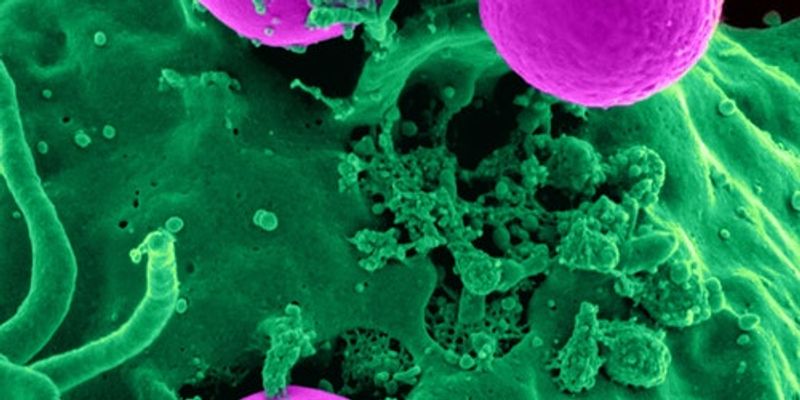
Cell: is the smallest structural and functional unit of an organism, typically microscopic and consisting of cytoplasm and a nucleus enclosed in a membrane. Microscopic organisms typically consist of a single cell, which is either eukaryotic or prokaryotic.
Date: September 8, 2021 Time: 9:00am (PDT), 12:00pm (EDT) Implanted biomedical devices comprise a major component of modern medicine and are essential for many clinical applications ranging...
Influenza viruses represent a significant burden to human health. In order to limit respiratory viral disease, new approaches that can prevent viral infection and spread are needed. We have...
Self-amplifying RNA replicons are promising candidates for next generation vaccines against human coronaviruses with pandemic potential. Self-amplification of RNAs in host cells generates mo...
For centuries, humans have become infected with endemic circulating Coronaviruses (hCoV), typically repeatedly throughout life. To understand how these respiratory infections establish CD4 T...
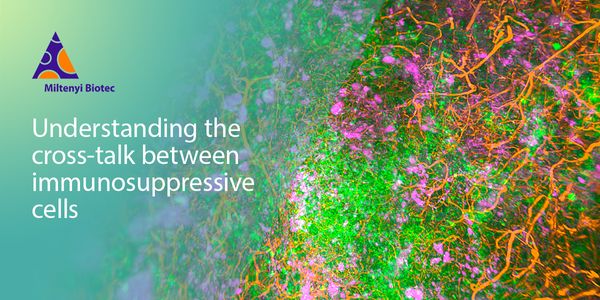
Date: August 26, 2021 Time: 7:00am (PDT), 10:00am (EDT) Pancreatic ductal adenocarcinoma (PDAC) is a fatal disease with rising incidence and a remarkable resistance to current therapies. In t...
Technological advances such as single-cell RNA sequencing accelerated our understanding of cellular diversity in tissues. However, the ability to elucidate this cellular heterogeneity while...
In this preliminary experiment, we used spatial transcriptomics to assess the gene expression profiles of microglia or astrocytes in relation to their distance from plaques. We compared 18-m...
Emerging data from several expansive clinical trials indicates that common chronic vascular risk factors such as diabetes, hypertension, obesity, and age increase the risk of stroke and deme...
In 1910, Harrison published the first report of frog embryonic sympathetic ganglia grown in hanging drops of lymph for a few days, where single neurons extended nerve fibers with complex gro...
The increasing burden of neurological disorders as our population ages, together with the high personal and societal costs of mental and substance use disorders, underscores the need for new...
Date: August 25, 2021 Time: 8:00am (PDT), 11:00am (EDT) Heterologous protein production is an indispensable tool in biotechnology and biopharma for manufacturing enzymes, protein therapeutic...
The misfolding of intrinsically disordered proteins (IDPs) such as tau and α-synuclein (αSyn) has been associated with the on-set and progression of Alzheimer’s (AD) and Pa...
Parkinson’s disease (PD) is the second most common neurodegenerative disorder with multiple motor and non-motor symptoms. PD is characterized by the presence on proteinaceous neuronal...
Over 40 tandem repeats undergo expansion events that lead to neurological disease. This number is likely an underestimate as many repeats are difficult to amplify using existing short read s...
Adolescence is a critical period for the developing brain, and binge drinking during this neuromaturation can result in enduring abnormal brain function and behavior. Repeated adolescent bin...
Alzheimer’s and Parkinson’s diseases (AD, PD) are the two most common neurodegenerative disorders. Despite their debilitating effects and increasing prevalence in society, no cur...
Multiscale modeling has arisen as a focus of computational systems biology, with the realization that genome, proteome, connectome, etceteromes, will only become comprehensible once placed i...
We will show how to combine large scale neural recordings and mechanistic neural network models to advance our conceptual understanding of how neural circuits mediate cognitive functions lik...
Date: August 24, 2021 Time: 11:00am (PDT), 1:00pm (EDT) Electron-based dissociation mechanisms have shown great promise for advanced characterization of biomolecules. However, routine adopti...
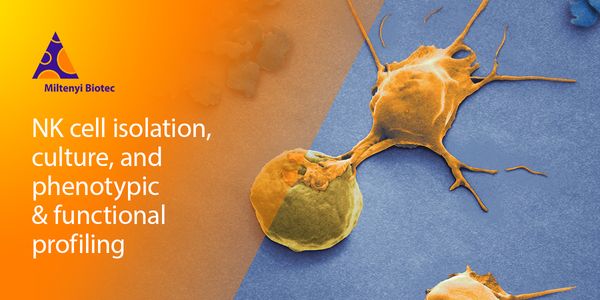
Date: August 18, 2021 Time: 8:00am (PDT), 11:00am (EDT) Discover the tools to phenotype your NK cells and to perform functional analyses such as cellular cytotoxicity assays. From NK cell is...
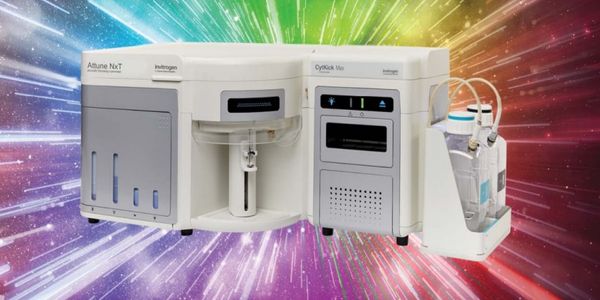
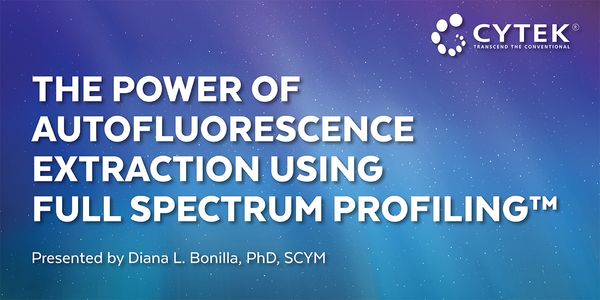
Date: August 4, 2021 Time: 8:00am (PDT), 11:00am (EDT) The intrinsic emission of light by biological structures in the cells, known as autofluorescence (AF), can be detrimental for data reso...
Date: July 28, 2021 Time: 7:00am PDT Bacterial persistence is a potential cause of antibiotic therapy failure. Antibiotic-tolerant persisters originate from phenotypic differentiation within...
Date: July 20, 2021 Time: 8:00am (PDT), 11:00am (EDT) The FDA released their guidance, Bacterial Risk Control Strategies for Blood Collection Establishments and Transfusion Services to Enhan...
Date: September 8, 2021 Time: 9:00am (PDT), 12:00pm (EDT) Implanted biomedical devices comprise a major component of modern medicine and are essential for many clinical applications ranging...
Influenza viruses represent a significant burden to human health. In order to limit respiratory viral disease, new approaches that can prevent viral infection and spread are needed. We have...
Self-amplifying RNA replicons are promising candidates for next generation vaccines against human coronaviruses with pandemic potential. Self-amplification of RNAs in host cells generates mo...
For centuries, humans have become infected with endemic circulating Coronaviruses (hCoV), typically repeatedly throughout life. To understand how these respiratory infections establish CD4 T...
Date: August 26, 2021 Time: 7:00am (PDT), 10:00am (EDT) Pancreatic ductal adenocarcinoma (PDAC) is a fatal disease with rising incidence and a remarkable resistance to current therapies. In t...
Technological advances such as single-cell RNA sequencing accelerated our understanding of cellular diversity in tissues. However, the ability to elucidate this cellular heterogeneity while...
In this preliminary experiment, we used spatial transcriptomics to assess the gene expression profiles of microglia or astrocytes in relation to their distance from plaques. We compared 18-m...
Emerging data from several expansive clinical trials indicates that common chronic vascular risk factors such as diabetes, hypertension, obesity, and age increase the risk of stroke and deme...
In 1910, Harrison published the first report of frog embryonic sympathetic ganglia grown in hanging drops of lymph for a few days, where single neurons extended nerve fibers with complex gro...
The increasing burden of neurological disorders as our population ages, together with the high personal and societal costs of mental and substance use disorders, underscores the need for new...
Date: August 25, 2021 Time: 8:00am (PDT), 11:00am (EDT) Heterologous protein production is an indispensable tool in biotechnology and biopharma for manufacturing enzymes, protein therapeutic...
The misfolding of intrinsically disordered proteins (IDPs) such as tau and α-synuclein (αSyn) has been associated with the on-set and progression of Alzheimer’s (AD) and Pa...
Parkinson’s disease (PD) is the second most common neurodegenerative disorder with multiple motor and non-motor symptoms. PD is characterized by the presence on proteinaceous neuronal...
Over 40 tandem repeats undergo expansion events that lead to neurological disease. This number is likely an underestimate as many repeats are difficult to amplify using existing short read s...
Adolescence is a critical period for the developing brain, and binge drinking during this neuromaturation can result in enduring abnormal brain function and behavior. Repeated adolescent bin...
Alzheimer’s and Parkinson’s diseases (AD, PD) are the two most common neurodegenerative disorders. Despite their debilitating effects and increasing prevalence in society, no cur...
Multiscale modeling has arisen as a focus of computational systems biology, with the realization that genome, proteome, connectome, etceteromes, will only become comprehensible once placed i...
We will show how to combine large scale neural recordings and mechanistic neural network models to advance our conceptual understanding of how neural circuits mediate cognitive functions lik...
Date: August 24, 2021 Time: 11:00am (PDT), 1:00pm (EDT) Electron-based dissociation mechanisms have shown great promise for advanced characterization of biomolecules. However, routine adopti...
Date: August 18, 2021 Time: 8:00am (PDT), 11:00am (EDT) Discover the tools to phenotype your NK cells and to perform functional analyses such as cellular cytotoxicity assays. From NK cell is...
Date: August 4, 2021 Time: 8:00am (PDT), 11:00am (EDT) The intrinsic emission of light by biological structures in the cells, known as autofluorescence (AF), can be detrimental for data reso...
Date: July 28, 2021 Time: 7:00am PDT Bacterial persistence is a potential cause of antibiotic therapy failure. Antibiotic-tolerant persisters originate from phenotypic differentiation within...
Date: July 20, 2021 Time: 8:00am (PDT), 11:00am (EDT) The FDA released their guidance, Bacterial Risk Control Strategies for Blood Collection Establishments and Transfusion Services to Enhan...
 Follow